
How to grow and care for corn for plentiful harvest

Contents:
- Why does corn require additional fertilizers?
- When to use fertilizers?
- Fertilizers for corn
- How to fertilize corn correctly
- Summer fertilizing tactics for corn by months
- Tips and recommendations from experienced gardeners
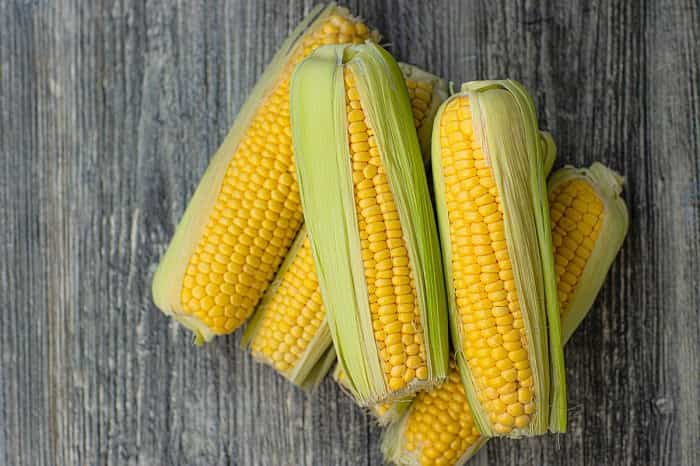
Corn is a grain crop that demands a specific soil composition. It does not like acidic soil and does not grow well on depleted lands. Without the use of fertilizers in such conditions, a good harvest will not be possible. In this article, we will cover the aspects of growing and fertilizing corn to ensure an abundant harvest.
Why does corn require additional fertilizers?
Those who are growing this crop at their summer cottage for the first time should learn more about agricultural practices, timing and methods of applying fertilizers to corn. Throughout the growing season and until harvest, the plant requires support and abundant nutrition, so it is necessary to regularly apply minerals and organic matter in the spring, summer, and autumn. The amount of fertilization and the choice of fertilizers depend on the soil quality on the site, the type of corn, and the climatic features. In different regions, the volumes and timing of fertilizing vary.
What nutrients does corn need?
- One of the essential elements of corn nutrition is nitrogen. The greatest need for it occurs at the stage of formation of reproductive organs. With a nitrogen deficiency, the growth of stems stops, and the corn turns yellow.
- Phosphorus is needed at the stage of root system formation and flowering. Its deficiency slows down the development of corn.
- Zinc is needed to increase the plant’s resistance to temperature changes. The absence of ovaries and yellow stripes on the leaves manifest a lack of this element.
- Potassium is responsible for water distribution. Potassium deficiency will cause the crop to lodge and the tops to curl.
- Boron and copper stimulate the production of ascorbic acid and sugars. Without these elements, the leaves become spotted, and the sugar content of the grain decreases.
- Manganese and magnesium have a significant impact on crop yields.
When to use fertilizers?
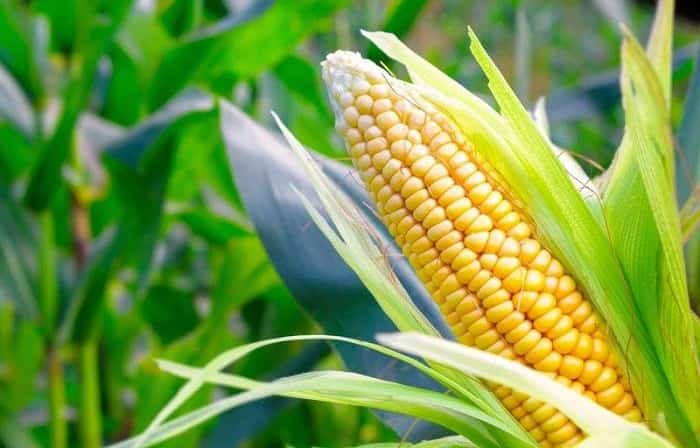
The agronomist’s calendar provides approximate dates for applying fertilizers, but the dates need to be adjusted for each case, taking into account the variety and purpose of the crop (for grain or silage).
First period
Autumn is considered the best time to use mineral fertilizers for corn. This is the season when the leading work on the plot occurs. There is an opinion that autumn soil cultivation will not affect the harvest. However, experienced farmers know that the yield after properly fertilizing soil in the fall increases several times. Autumn fertilizers are applied from mid-October before the night frosts come.
Second period
The second most crucial time for applying top dressing for corn is during the intensive growth stage of the crop. In the middle zone, this is from mid-June to the first days of July. During this period, phosphorus and nitrogen preparations are used. Potassium is also needed. The predominant element for accelerating growth will be nitrogen. When panicles appear on corn, the main emphasis is placed on potassium, which increases the yield. On black soils, the amount of zinc is increased.
Fertilizers for corn
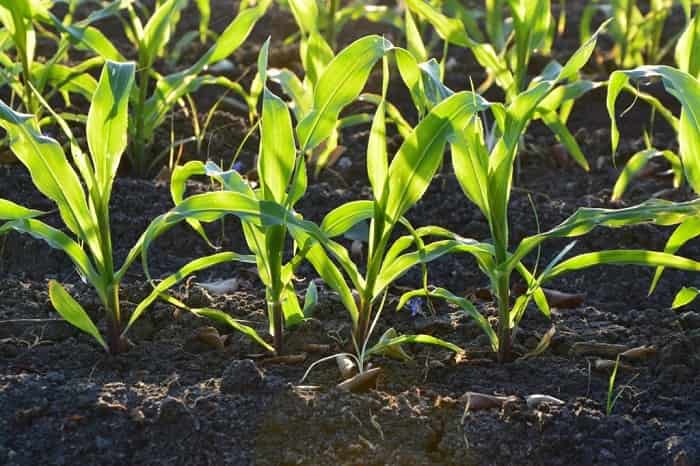
When choosing what to feed corn with when planting and during its growth, it is essential to find a balance between organic and mineral additives.
Organic fertilizers
The most commonly used natural fertilizer for corn is:
- peat — restores the fertile soil layer. Lowland compost is suitable for corn;
- manure — accelerates the growth of stems and cobs;
- liquid organic mixtures (diluted chicken manure, manure, compost).
Mineral supplements
Like other crops, corn requires an NPK complex.
- Nitrogen mineral fertilizers—ammonium nitrate and urea—help increase green mass. However, their excess worsens the quality of the harvest.
- Potassium fertilizers — potassium chloride and potassium sulfate — increase the protective reactions of plants.
- Phosphorus supplements—bone and fish meal—stimulate the growth of greenery and the ripening of fruits. With a phosphorus deficiency, cobs ripen slowly and lose their marketable appearance.
How to fertilize corn correctly
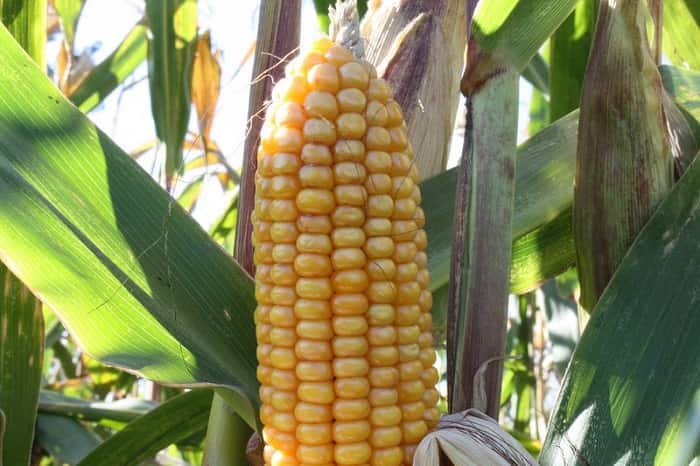
If after planting in the ground, it is better to feed the corn with chelated fertilizers for rapid growth, then in the future, it will be necessary to select appropriate preparations of organic and mineral origin at each stage of vegetation.
During planting
During this period, corn fertilizer contains a lot of nitrogen. It stimulates rapid greenery growth. Application rates are up to 20 g (0.7 oz) per 1 m2.
In summer
Organics are good. In June, as in July, manure is used. A mixture of 10 liters (5.3 gal) of water and 2 kg (4.5 lb) of cow manure is left to infuse in a warm place for 5 days. The resulting concentrate is diluted with water 1:1 and used for watering.
On the leaves
Foliar feeding is one of the mandatory agricultural techniques. It consists of spraying valuable compounds on the leaves and stems. How do you fertilize corn using this method? A popular option is a 4% urea solution (200 g (7 oz) of urea per 5 liters (1.3 gal) of water). Spraying should be done during the chilly time of the day — in the morning or evening. Spraying begins from the moment of 7 leaves and continues for the next 3 weeks.
The choice in favor of urea is not accidental: it is absorbed by the plant by 95% in a short period. After spraying, the amount of protein in the stems and leaves increases.
Mistakes to avoid:
- incorrect dosage, when excess is worse than deficiency;
- untimely feeding, to which corn reacts sharply;
- uneven watering with nutrient solutions;
- using fertilizers on dry soil;
- use of several types of fertilizers at once.
Summer fertilizing tactics for corn by months
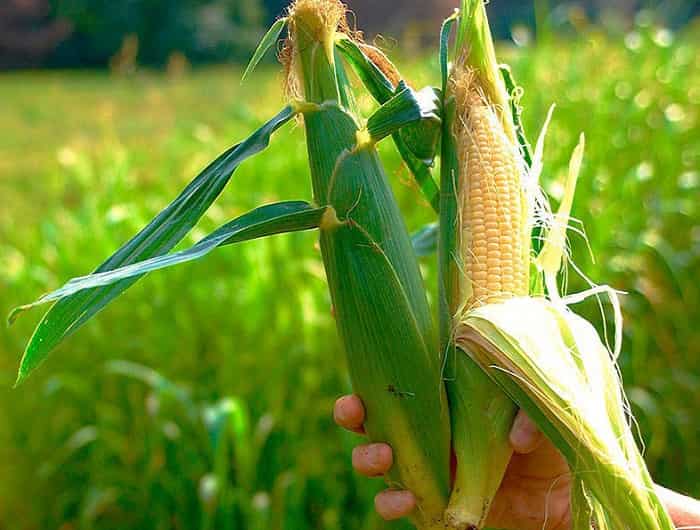
An approximate schedule for feeding corn at the dacha during the summer months looks like this:
- June. Nitrogen-containing fertilizers are added so that the crop actively grows. The choice is NPK-fertilizer or ammonia water.
- July. Use urea containing nitrogen. Depending on the condition of the plant, choose a root or foliar method.
- August. The time of cob ripening requires additional feeding that affects the juiciness and taste of the fruit (potassium, phosphorus and microelements).
Tips and recommendations from experienced gardeners
To grow a lot of tasty juicy corn in the open ground, you just need to follow the recommendations of those who have achieved great success in cultivating this plant. Here are some tips from experienced farmers:
- mineral fertilizers should be evenly distributed over the area by irrigation so that the roots of all plants receive nutrition;
- regardless of whether you use ready-made preparations or folk remedies, the soil must be well moistened before applying fertilizers;
- follow the manufacturer’s recommended dosage, varying it only downwards;
- do not use different fertilizers with the same components at the same time, otherwise there will be an excess of substances.
- Alternate organic and mineral fertilizers: in autumn or early spring, use compost at a rate of 5 liters (1.3 gl) per 1 m2; during planting, superphosphate at a dosage of 10 kg (22 lb) per 1 hectare is suitable.
Table corn is fed immediately after several leaves appear. For this, complex compositions with a predominance of nitrogen are selected. The second feeding is scheduled when the flower panicles grow. For this, a herbal infusion under the root or spraying is suitable.
We talked about the choice of corn fertilizer, the features of care, the importance of regular loosening and watering the soil – by performing all these simple measures, you can get a record harvest of delicious products.



Discussion0 comments