
How to get rid of weeds in your garden?

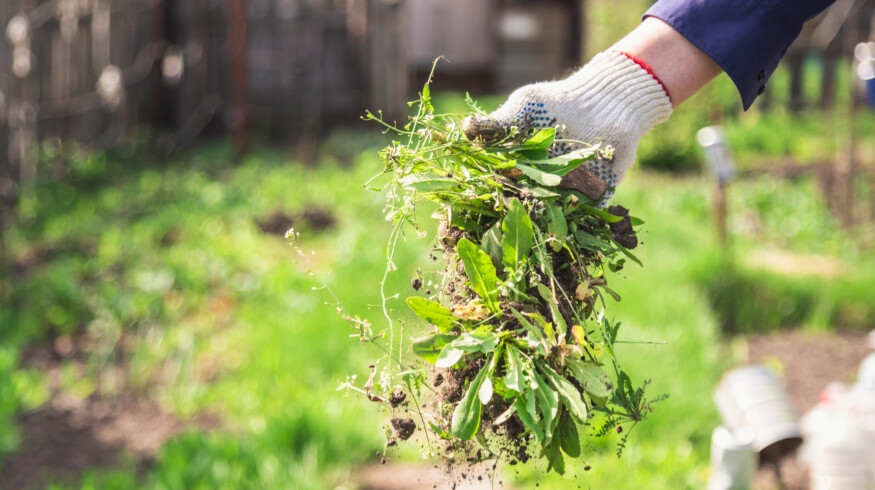
Contrary to popular belief, frost does not kill all weeds. Many hardy perennial weeds simply go dormant in winter and regenerate once temperatures rise again in the spring. Certain winter-flowering weeds, such as common chickweed, may even continue to grow under the snow!
As a result, it is essential to spend some time removing them now so that your garden can look its absolute best once spring arrives.
3 proven solutions to remove weeds from the garden
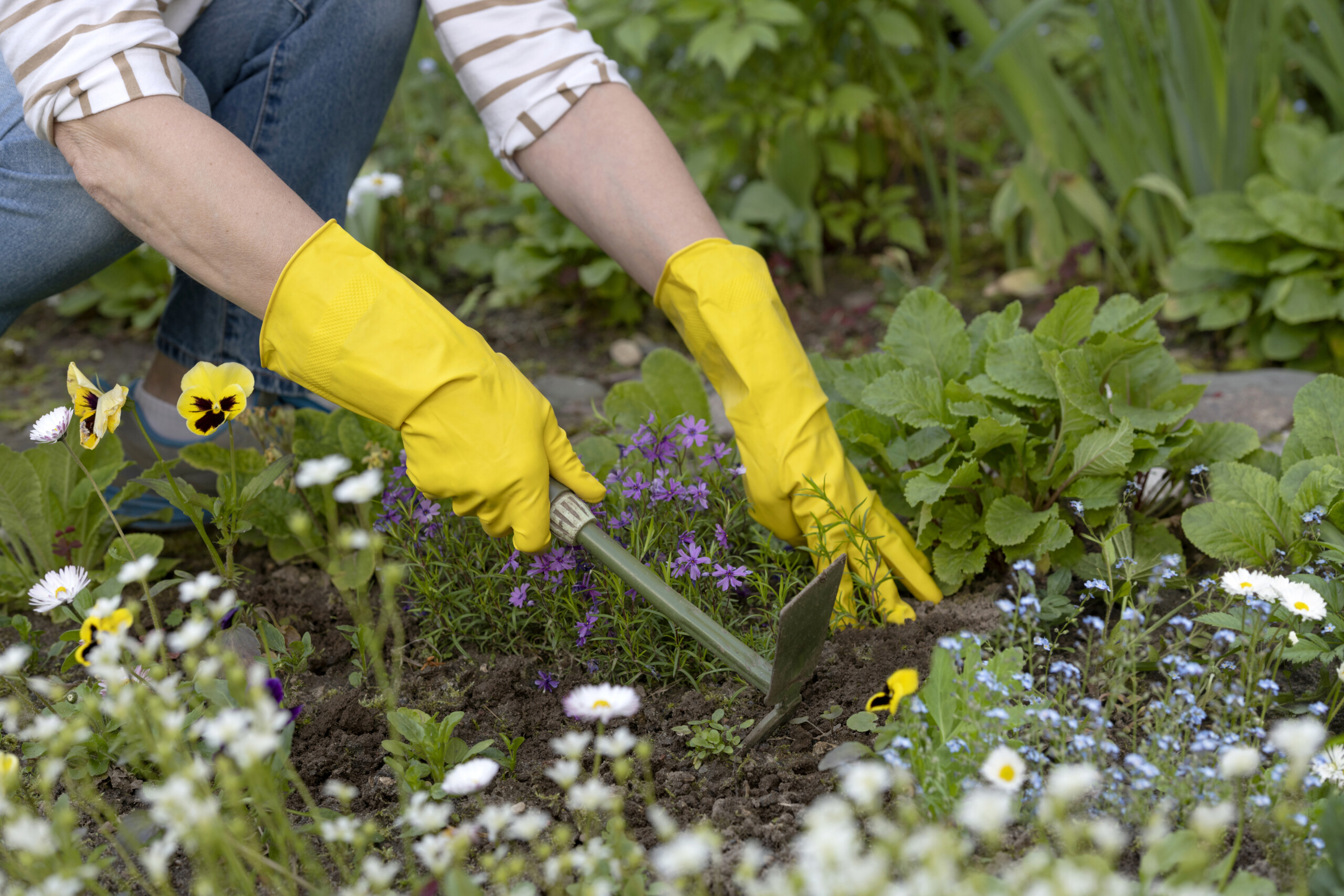
To eliminate weeds before frost, consider using chemical herbicides, DIY methods, or hand-pulling.
Herbicides
Chemical herbicides are divided into two different types: selective herbicides and non-selective herbicides.
Selective herbicides are designed to kill a specific type of weed, leaving any plants that you want to keep unharmed.
Non-selective herbicides, on the other hand, will tackle any plants that they come into contact with. This makes them an excellent choice if you are unsure what weeds you are dealing with but you must be very careful when applying them.
To use herbicides, simply read the label of the product and follow any instructions.
DIY Methods
DIY methods are used by gardeners who are looking for non-chemical alternatives or are simply trying to save some money and use items that they can already find in their homes instead.
Salt weed killer is one of the most popular DIY solutions. For areas where soil health is important, such as flower beds or vegetable gardens, a gentler mixture is recommended, so aim for a 3:1 water to salt ratio.
Once done, put it in a spray bottle or a container and apply it to the foliage of the weed. The soil will dehydrate it, causing the weed to wilt and die. For areas where soil health is not a concern, such as a patio, you can use a 1:1 water-to-salt ratio.
The reason why the ratio needs to be gentler in the areas where you are trying to grow something in the future is that soil can be sterilized if used too often and in too strong a concentration, meaning nothing would be able to grow in that location for years.
Hand Pulling
Hand pulling is a method that many gardeners swear by as it does not involve having to treat the soil with anything. Instead, you simply grab the weed and start pulling it slowly, aiming to get all of the roots out. For best results, perform this task a day or so after heavy rain. That way, the soil will be slightly moist.
Alternatively, you can also hand-pull the weeds. Simply grab the weed and start pulling it slowly so that you can get all the roots out. This is best done a day or so after heavy rain so that the soil is still slightly moist but not wet as walking on wet soil can compact it.
What happens if the weeds are left to grow unchecked?
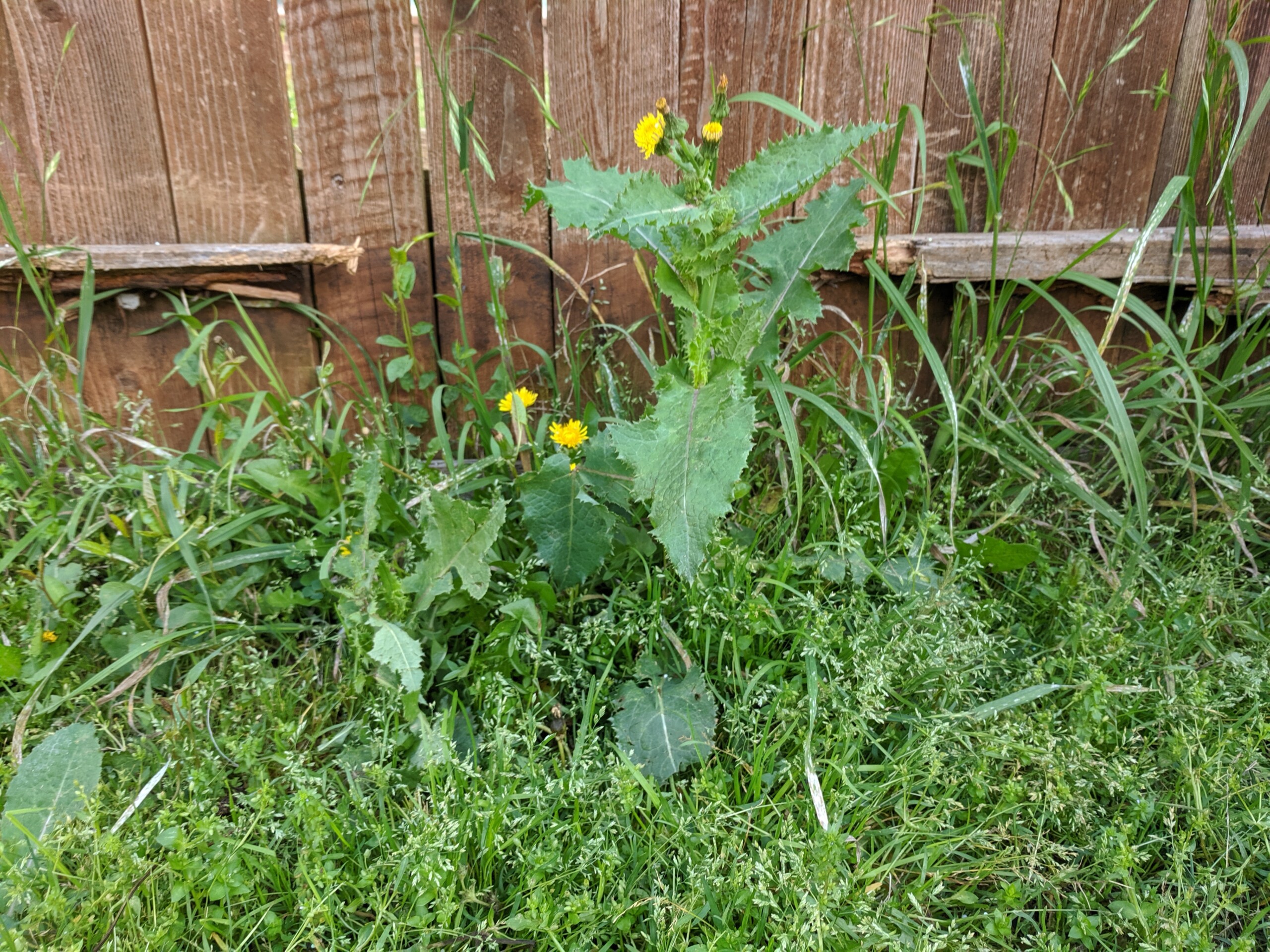
Not only will they spread everywhere, but they will also likely result in stunted growth or even death of your other plants due to the competition for nutrients. Some weeds can attract pests to your garden too. Dandelions, while beautiful in appearance and able to attract beneficial pollinators, are often fed on by aphids, while certain beetles also tend to be attracted to their nectar. This is bad for your garden as pests can spread diseases and ruin your plants and crops.
Ways to prevent weeds from coming back

Have a healthy, thick lawn
A healthy lawn can crowd out weeds by outcompeting them for nutrients, light and water. As a result, the weeds will struggle to establish successfully.
To achieve this, make sure to always mow your lawn correctly (never taking off more than 1/3 of your grass’s height in one go), leaving grass clippings behind as these act as natural fertilizer. On top of this, feed your lawn twice a year using a fertilizer and scarify and aerate your lawn once or twice a year.
However, the drawback of this method is that the weeds may still emerge in any thin or bare patches as the grass / your plants will not be as competitive in those areas.
Use a pre-emergent herbicide
Pre-emergent herbicides will stop the weeds from germinating and when it comes to weeds, I always find that it’s easier to prevent them than to get rid of them later on.
Simply buy a pre-emergent herbicide that works for your needs and apply it all over your garden or previously affected areas in the spring, as soon as the temperatures get above 55°F.
However, the disadvantage of this method is that a pre-emergent herbicide can also stop any plants that you are trying to grow from seed from germinating. Because of this, make sure to always read the label of the product that you want to use and wait for an appropriate amount of time before sowing or if the seeds are sown already, before applying the product.
Cover any bare soil
Bare soil is the perfect place for weeds to establish easily as there are no other plants that compete with them for nutrients. This is why it is best to either plant something in those areas or cover them with mulch. While the drawback to this method is that some weeds may still germinate after mulching, these will be weaker and should be easy to take out by hand.
————
About the Author: This article was prepared by Online Turf, a UK-based supplier of high-quality turf and lawn care products.



Discussion0 comments