

Spanish farmers fight to protect vineyards from soil degradation facing highest in Europe erosion rates

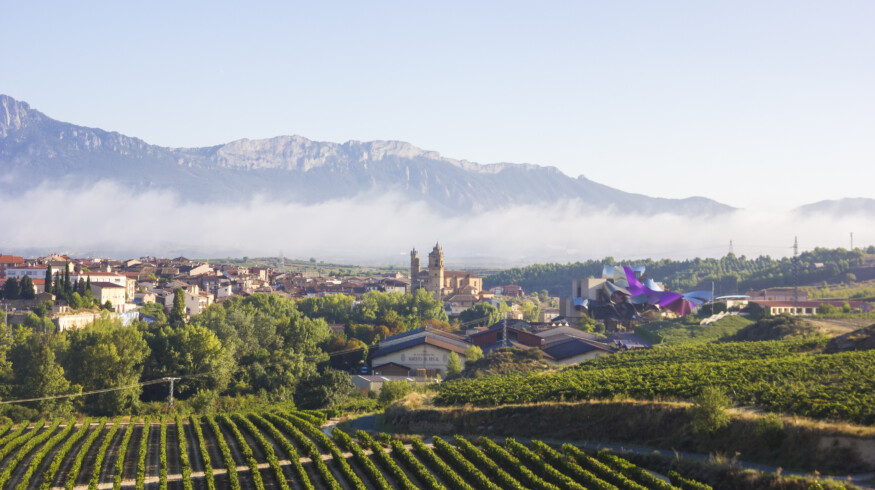
Soil degradation is posing a growing threat to agricultural productivity and environmental sustainability across Europe, with Spain experiencing some of the most severe impacts. According to European Commission estimates, 60–70% of soils in the European Union are now classified as unhealthy, leading to economic losses of approximately €50 billion annually due to diminished ecosystem services and negative health effects. Spain ranks highest in Europe for soil degradation, losing an average of 14.2 tonnes of soil per hectare to erosion each year.
Researchers and agricultural stakeholders are increasingly turning their attention to soil health as a critical issue, particularly in the context of vineyards in southern Spain. These vineyards, central to the region’s economy and cultural heritage, are especially vulnerable to erosion and the broader impacts of climate change.
Jesús Rodrigo Comino, a geographer at the University of Granada, is among the scientists leading efforts to address this challenge. After completing academic training in soil science in Spain and Germany, he returned to Andalusia in 2021 to initiate research on soil degradation in vineyards. His work uses geographical mapping systems and artificial intelligence to assess erosion and assist farmers in adopting better land management practices.
“We’re developing tools that help farmers decide on issues like irrigation methods, cover crop selection, and the timing of tillage operations,” Rodrigo Comino said in an interview. “The goal is to prevent further degradation while maintaining productivity.”
His efforts are part of a broader European initiative, A Soil Deal for Europe, which includes the SOILCRATES project — a “living lab” model designed to bring researchers, farmers, and policymakers together to experiment with sustainable land management techniques. The initiative also aims to raise public awareness about the importance of soil fertility and the role of individual actions in preserving soil health.
Although sustainable practices are beginning to take root, Rodrigo Comino warns that progress remains insufficient. “We’re not there yet — much more work is needed,” he said.
The effects of climate change are further complicating efforts to protect soil in Spain. Rodrigo Comino notes a noticeable shift in weather patterns, particularly more frequent and intense rainfall events interspersed with longer dry spells. These trends increase the risk of erosion and affect the phenology of grapevines, such as earlier flowering linked to rising temperatures.
While comprehensive data is still being collected, anecdotal evidence from farmers indicates a growing concern over climate volatility and its impact on soil and crop yields. As policymakers and researchers advance their initiatives, the integration of scientific tools with farmer experience is seen as vital to safeguarding one of Spain’s key agricultural sectors.

Enjoyed this story?
Every Monday, our subscribers get their hands on a digest of the most trending agriculture news. You can join them too!




Discussion0 comments