

Syngenta Group posts higher Q1 2025 profit despite flat sales

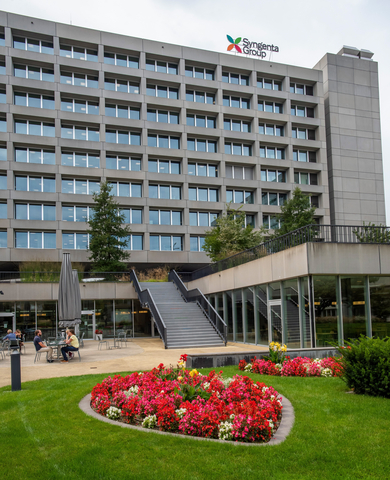
Syngenta Group reported an 18% year-on-year increase in first-quarter 2025 earnings before interest, taxes, depreciation, and amortization (EBITDA), reaching $1.4 billion, despite a 1% decline in sales to $7.3 billion. At constant exchange rates, sales rose 3%, supported by a recovery in crop protection demand and improved operating efficiency.
The group’s EBITDA margin expanded by 3.2 percentage points to 19.9%, reflecting lower raw material costs, ongoing productivity initiatives, and a strategic shift toward higher-margin products. Cash flow also improved versus the same period in 2024, aided by more substantial margins and working capital discipline.
Syngenta Crop Protection sales rose 5% to $3.4 billion (+11% CER), driven by the end of channel destocking in key markets such as the US, and strong demand for new technologies including ADEPIDYN, PLINAZOLIN, and TYMIRIUM. North American sales climbed 20%, while sales in China grew 12%. Sales of Biologicals continued to expand across all regions.
ADAMA, Syngenta’s Israel-based crop protection subsidiary, posted a 5% sales decline to $1.0 billion (-3% CER), citing strategic withdrawal from low-margin products and weakness in Latin America. However, it recorded its fourth consecutive quarter of adjusted EBITDA growth and a positive net profit. Growth in China (+8%) and North America (+15%) partially offset declines in other markets.
Syngenta Seeds generated $1.4 billion in sales, down 2% (+1% CER). Strong growth in China (+18%) and the vegetable and flower segment (+4%) offset weakness in field crops in the US and Latin America. The business introduced the DURASTAK trait for corn rootworm control and inaugurated a new R&D center in India.
Sales at Syngenta Group China declined 6% (-5% CER) to $2.5 billion as the company continued to scale back low-margin operations. Nonetheless, the seeds and crop protection units within China reported double-digit sales growth, aided by product innovation and a more focused portfolio strategy. Grain trading revenues fell sharply as part of the restructuring.
The company received over 250 product approvals in the quarter and continued to invest in R&D to support long-term growth. Recent product registrations include new applications of its core crop protection technologies in Australia, Vietnam, India, Oman, and Brazil.
Looking ahead, Syngenta expects stabilization in the crop protection and seeds markets, while continuing to prioritize cost control, R&D investment, and cash flow generation. The group’s full-year 2024 ESG reports for Syngenta Group and Syngenta AG were also published and are available on its corporate websites.

Enjoyed this story?
Every Monday, our subscribers get their hands on a digest of the most trending agriculture news. You can join them too!




Discussion0 comments