

Qore opens bio-based BDO plant in Iowa, marking milestone in sustainable manufacturing

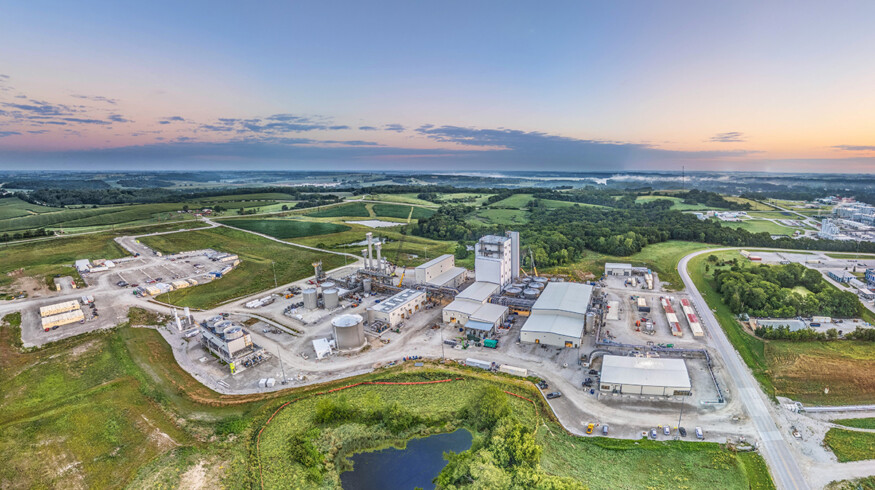
Qore, a joint venture between US agribusiness giant Cargill and German chemical distributor HELM, has launched commercial production of QIRA, a bio-based alternative to fossil-derived 1,4-butanediol (BDO), at a newly completed $300 million facility in Eddyville, Iowa.
The plant — the first of its kind at commercial scale — will produce 66,000 metric tons of QIRA annually using corn grown primarily within 100 miles of the site. QIRA is designed to serve as a direct substitute for conventional BDO, a key intermediate used in the production of plastics, textiles, electronics, and other consumer goods.
The facility’s official opening, scheduled for July 22, will bring together Iowa officials, farmers, and customers of QIRA, including BASF and The LYCRA Company, both of which have signed supply agreements to incorporate the bio-based material into their product lines.
“This is a bold, exciting step forward for Qore, our state, and the supply chains of the world,” said Iowa Governor Kim Reynolds. “Now, thanks to the innovation behind QIRA, Iowa crops will not only feed and fuel the globe, but sustain it.”
Qore’s CEO, Jon Veldhouse, emphasized the importance of combining Cargill’s agricultural infrastructure with HELM’s market access to create a renewable product with global reach. “By providing a reliable, renewable, and transparent feedstock, QIRA helps global manufacturers and brands reduce reliance on overseas supply chains,” he said.
Feedstock traceability and carbon reduction
Sourced from dent corn grown in the region using regenerative farming methods, QIRA’s production is expected to offer a lower carbon footprint compared to fossil-based BDO. Qore states that its supply model provides traceability throughout the value chain — a growing demand among both regulators and end consumers.
A recent life cycle assessment cited by The LYCRA Company estimates that substituting QIRA for conventional BDO in fiber production could reduce carbon emissions by up to 44% without affecting performance.
Steve Kuiper, a fourth-generation Iowa farmer, noted the broader implications: “By offering a bio-based alternative to fossil-based feedstock, we are empowering brands to reduce their environmental impact and respond to consumer demands for more sustainable, high-performing products.”
Applications across sectors
QIRA is positioned as a drop-in replacement for fossil BDO, meaning manufacturers can integrate the material into existing production systems without infrastructure changes. Target sectors include apparel and footwear, automotive, electronics, personal care, and packaging.
While QIRA will initially supply customers such as LYCRA and BASF, the plant’s capacity and centralized US location are expected to support additional industrial-scale offtake across North America and beyond.
Joint venture underscores shift in supply chain strategies
The Qore project reflects a wider push among manufacturers to diversify feedstocks and reduce dependency on petrochemicals. It also highlights how large-scale agricultural networks can be leveraged to support bio-based industrial inputs.
Qore is headquartered in the US, with operational and commercial support from both Cargill and HELM. The venture aims to serve a global customer base seeking low-emission alternatives that align with emerging ESG requirements and regional sourcing mandates.
The Eddyville facility is currently the largest dedicated bio-BDO plant globally. Whether it signals a broader industrial shift will likely depend on downstream adoption, price competitiveness, and regulatory alignment in key markets.

Enjoyed this story?
Every Monday, our subscribers get their hands on a digest of the most trending agriculture news. You can join them too!






Discussion0 comments