

Dotnuva Seeds opens advanced seed processing plant in Latvia

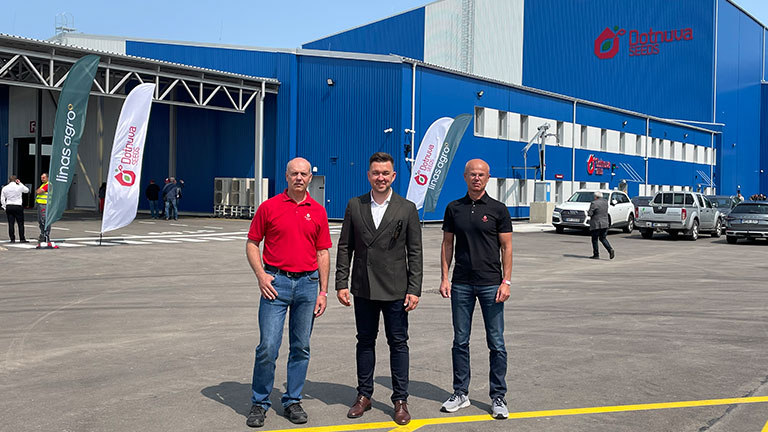
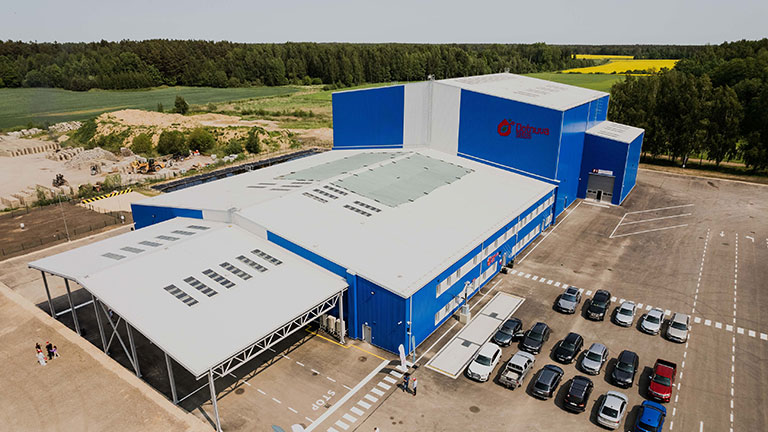
Dotnuva Seeds has opened a high-capacity seed processing plant in Iecava, Latvia, equipped with advanced Danish technology and developed by Lithuania-based Dotnuva Baltic, a subsidiary of AB Akola Group. The facility is the largest built by Dotnuva Baltic in the past three years and is intended to strengthen certified seed supply across the Baltic region.
The 4,550-square-metre facility includes a production unit, warehouse, and two-storey administrative building with a laboratory. Once operating at full capacity, it will be capable of producing up to 30,000 tonnes of legume and cereal seeds per year.
Focus on automation and seed quality
The plant is built around equipment supplied by Denmark’s Cimbria and BM Silo. Cimbria provided cleaning, sorting, coating, and conveying systems designed to maximize throughput, minimize mechanical damage, and meet EU environmental and seed processing standards.
Project Manager Evaldas Lukošius, from Dotnuva Baltic, oversaw the design and implementation of the automation and processing systems. “This factory has a much higher level of automation, allowing operators to control and monitor machines remotely, adjust settings for each seed batch, and archive process data,” he said. The facility also includes a dust collection and aspiration system intended to reduce airborne particles and enhance treatment quality.
Cimbria Sales Manager Michael Bjoern described the project as one of the company’s most advanced and strategically important in recent years. “This plant demonstrates the potential of modern seed processing technologies to raise quality standards and improve productivity,” he said. Cimbria, which supplies roughly half of its seed processing systems to clients in Europe, has collaborated with Dotnuva Baltic for nearly three decades.
Storage infrastructure and plant design
The plant includes 48 large and 10 smaller square silos provided by BM Silo, designed to optimize space and internal logistics. “Only a few global projects match this one in complexity and capacity,” said BM Silo CEO Lisbeth Barnbæk Nielsen. She emphasized the project’s significance as a reference point for scalable, customized storage solutions.
Dotnuva Baltic Infrastructure Manager Arminas Grigalis, who led the construction phase, noted that the factory’s design is informed by the company’s experience in operating a similar facility in Dotnuva, Lithuania. That site has produced certified seeds since 2003 and currently operates at around 90% of its 27,000-tonne capacity. The Latvian plant is expected to relieve capacity constraints and improve supply reliability across the region.
Discussions on the Latvia project began several years ago and went through multiple development stages before construction commenced. Grigalis highlighted the importance of speed and coordination in completing such a facility: “Every construction project is a commitment. This one succeeded because of clear goals, quick decision-making, and an aligned team.”
The facility is expected to support regional seed supply and processing resilience, amid growing demand for traceable, high-quality seed varieties in Northern and Eastern Europe.

Enjoyed this story?
Every Monday, our subscribers get their hands on a digest of the most trending agriculture news. You can join them too!




Discussion0 comments