

USDA projects record US corn yields, soybeans slip; global trade impact expected


The US is on track for record corn yields in 2025, a development likely to ripple through global feed and grain markets, while slightly lower soybean output could tighten supplies for key importers.
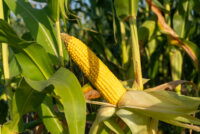
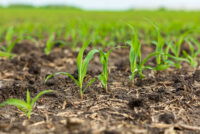
The Department of Agriculture’s National Agricultural Statistics Service projects corn production at 16.7 billion bushels, up 13% from 2024, with an average yield of 188.8 bushels per acre—a record high. Eleven states, including Illinois, Iowa and Minnesota, are forecast to post record yields. As of Aug. 3, 73% of the crop was rated in good or excellent condition, six percentage points above a year earlier.
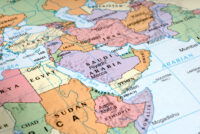
The surge in US corn output could exert downward pressure on global feed grain prices, affecting exporters such as Argentina and Ukraine, and offering relief to livestock producers in Asia and the Middle East.
Soybean production is forecast at 4.29 billion bushels, down 2% from last year despite a record yield projection of 53.6 bushels per acre. Lower US output may support global prices, particularly if weather risks linger over Brazil’s upcoming planting season. Import-dependent buyers in China could face tighter sourcing competition.
Wheat output is estimated at 1.93 billion bushels, down 2% from 2024. Winter wheat is projected slightly higher, while durum wheat rises 9% and other spring wheat falls 11%. US wheat prices may face headwinds from ample Black Sea supplies, though quality concerns in some origins could support high-protein wheat demand.
Cotton production is forecast at 13.2 million 480-pound bales, down 8% from last year, with yields averaging 862 pounds per acre. Lower US cotton output could open opportunities for Brazil, India and Australia to expand market share.
The forecast is based on interviews with nearly 14,900 producers nationwide. USDA will refine its outlook in September, when updated data on acreage, yields and stored grains will be available.

Enjoyed this story?
Every Monday, our subscribers get their hands on a digest of the most trending agriculture news. You can join them too!



Discussion0 comments