

Denmark bans 23 pesticides over PFAS contamination risks

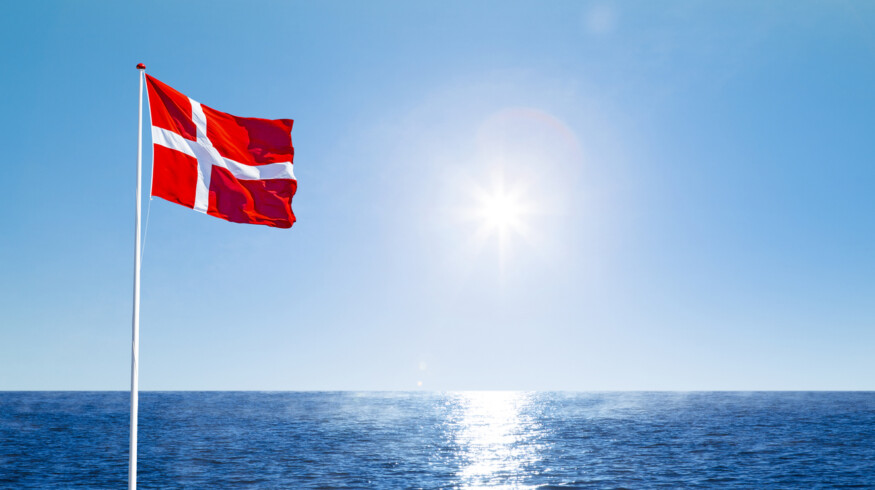
Denmark has withdrawn approval for 23 pesticides containing PFAS-linked active substances following evidence that they degrade into trifluoroacetic acid (TFA), a persistent chemical that exceeds European Union drinking water limits.
The Danish Environmental Protection Agency (Miljøstyrelsen) said the decision followed a study by the Geological Survey of Denmark and Greenland (GEUS), which confirmed that TFA concentrations in groundwater surpassed the EU threshold of 0.1 micrograms per liter.
PFAS, or per- and polyfluoroalkyl substances, are synthetic chemicals used for their resistance to water and stains. Several PFAS compounds used in farming break down into TFA, which German authorities have classified as potentially harmful to reproduction and fetal development. Its chemical stability makes it highly persistent in groundwater, posing long-term risks to drinking water supplies.
The banned products, including those based on fluazinam, fluopyram, diflufenican, mefentrifluconazole, tau-fluvalinate and flonicamid, accounted for about 28% of the total environmental and health impact from pesticide use in Denmark in 2023. Farmers applied nearly 190 metric tons of these chemicals last year, according to official sales data.
For seven pesticides without alternatives, authorities have granted a phase-out period of up to 15 months. Two others will be withdrawn within six months, including a two-month sales stop and a four-month use phase-out. The Ministry for the Environment and Gender Equality said it will work with agricultural stakeholders to identify replacement solutions that protect both crops and groundwater.
Denmark is also reviewing an additional 10 pesticides, with a decision expected by the end of September. If confirmed, the total number of banned products will rise to 33.
The move places Denmark among the most proactive EU member states in addressing PFAS-related agricultural risks. Sweden is conducting similar reviews, while the Danish agency has urged the European Commission to initiate an EU-wide reassessment of PFAS-containing pesticides.
Officials said the decision reflects the government’s precautionary approach to protecting drinking water and public health. Denmark, which has some of the cleanest water in Europe, has made groundwater protection a central priority of its environmental policy.

Enjoyed this story?
Every Monday, our subscribers get their hands on a digest of the most trending agriculture news. You can join them too!



Discussion0 comments