

Glyphosate study links herbicide to leukemia and tumors in rats


A two-year study led by the Cesare Maltoni Cancer Research Center at the Ramazzini Institute in Italy has reported increased rates of both benign and malignant tumors in rats exposed continuously to glyphosate and glyphosate-based herbicides at levels considered acceptable by regulators.
The research, published in Environmental Health, tested pure glyphosate as well as two commercial formulations—Roundup BioFlow in the European Union and RangerPro in the United States. Exposure began before birth and continued throughout the rats’ lifespans, with doses of 0.5, 5, and 50 milligrams per kilogram of body weight per day. These levels correspond to the acceptable daily intake used in Europe and the no observed adverse effect level.
Leukemia signal in early life
The most notable finding was a significant increase in leukemia cases, with no occurrences in control groups. Around 40% of leukemia-related deaths among treated animals occurred before 52 weeks of age, considered unusually early for the rat strain used.
The study also identified higher tumor incidence across multiple organs, including the liver, thyroid, nervous system, kidneys, ovaries, and adrenal glands. Patterns varied between glyphosate alone and commercial mixtures, suggesting that additional ingredients in formulations may alter toxicity.
Regulatory and scientific context
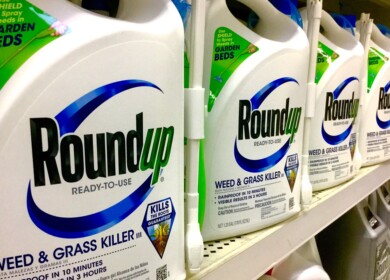
Glyphosate, the active ingredient in many herbicides such as Roundup, is the world’s most widely used weedkiller. Long considered safe for humans because it targets an enzyme absent in animals, glyphosate has nonetheless been at the center of ongoing debate over environmental and health effects.
In 2015, the International Agency for Research on Cancer (IARC) classified glyphosate as “probably carcinogenic to humans,” citing sufficient evidence of carcinogenicity in experimental animals. Large human studies, such as the U.S. Agricultural Health Study, have shown mixed results, with some associations with blood cancers but no consistent site-specific risks.
Regulatory bodies remain divided. The European Food Safety Authority (EFSA) supported glyphosate’s renewal in 2023, while acknowledging data gaps, particularly regarding environmental risks and full formulation disclosures. In the U.S., the Environmental Protection Agency (EPA) withdrew its interim decision on glyphosate in 2022 after a federal court ordered parts of the health assessment to be redone.
Implications
The study’s prenatal-to-lifetime design highlights potential vulnerabilities during early development that adult-only exposure studies may overlook. Researchers note that low-dose, long-duration exposure in combination with formulation additives requires further examination, as results could affect how acceptable daily intake values are interpreted by regulators.
The findings add to the ongoing debate over whether glyphosate and its commercial formulations pose long-term health risks, an issue likely to remain central in future regulatory reviews.

Enjoyed this story?
Every Monday, our subscribers get their hands on a digest of the most trending agriculture news. You can join them too!





Discussion0 comments