

Mexico bans 35 high-risk pesticides in push for sustainable farming

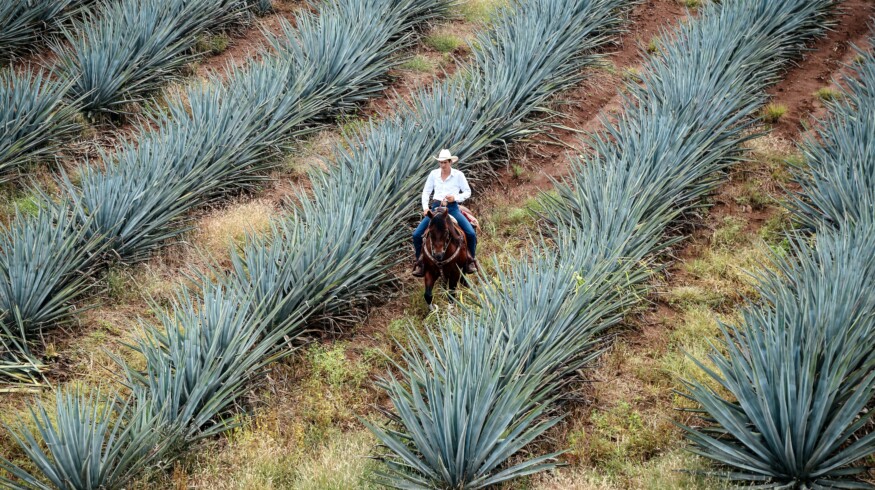
Mexico has prohibited the use, production, commercialization, and importation of 35 pesticides, marking its most sweeping restriction on agrochemicals in more than three decades.
President Claudia Sheinbaum signed the decree on September 6, describing it as a step toward safer farming practices for workers and consumers. The ban, coordinated by the ministries of Health, Economy, Environment and Natural Resources, and Agriculture, covers chemicals that have long been under scrutiny internationally for their impact on human health and ecosystems.
“This effort is part of a broader strategy to achieve cleaner, more sustainable, and safer agriculture,” said Agriculture Minister Julio Berdegué. He noted that many of the prohibited substances are listed under international agreements, including the Basel, Stockholm, and Rotterdam Conventions.
The list includes Aldicarb, a citrus and sugarcane insecticide banned in several countries due to direct-contact risks; Carbofuran, already prohibited in Canada and Europe; Endosulfan, linked to developmental harm and barred in 50 countries; and DDT, outlawed globally since the 1970s but still in use in Mexico.
Authorities said the decision reflects scientific evidence showing that such chemicals persist in soil and water, accumulate in tissues, and pass through the food chain. The last comparable measure in Mexico dates to 1991, when 21 active ingredients were banned.
The decree requires regulators to revoke or deny permits for the production, storage, import, distribution, and disposal of the pesticides. Officials said they will work with the agricultural industry and research institutions to accelerate access to safer, affordable alternatives, particularly for small and medium-sized farmers.
The Food and Agriculture Organization welcomed the announcement, calling it “a key step toward sustainable and safe agriculture.”
Not all reactions were favorable. The Pesticide Action Network and Alternatives in Mexico (RAPAM) called the measure a timid start, pointing out that more than 200 substances restricted abroad remain legal in Mexico. The group highlighted the continued use of ethyl chlorpyrifos, fipronil, and paraquat—chemicals associated with risks ranging from bee mortality to Parkinson’s disease.
The government plans to publish a second list of banned pesticides in 2026 and a third in 2027. Until then, negotiations with the pesticide industry and farm groups are expected to shape how Mexico balances food self-sufficiency goals with mounting global pressure for greener agricultural practices.
The full list of banned pesticides
2,4-DB, Alachlor, Aldicarb, Azafenidine, Azinphos-methyl, Azocyclotin, Bioresmethrin, Bromuconazole, Captafol, Carbofuran, Carbosulfan, Chlordane, Chlorpyrifos-methyl, DDT, Diclofop-methyl, Dinocap, Dinoseb, Disulfoton, Edifenphos, Endosulfan, Fenarimol, Fenitrothion, Fenthion, Fentoate, Flusilazole, Phosfamidon, Hexachlorocyclohexane, Hexaflumuron, Lindane, Methidathion, Fenbutatin oxide, Parathion-ethyl, Quinalphos, Resmethrin, Trichlorfon.

Enjoyed this story?
Every Monday, our subscribers get their hands on a digest of the most trending agriculture news. You can join them too!



Discussion0 comments