

CarbonCapture relocates to Canada from U.S. citing stronger incentives and stable regulations

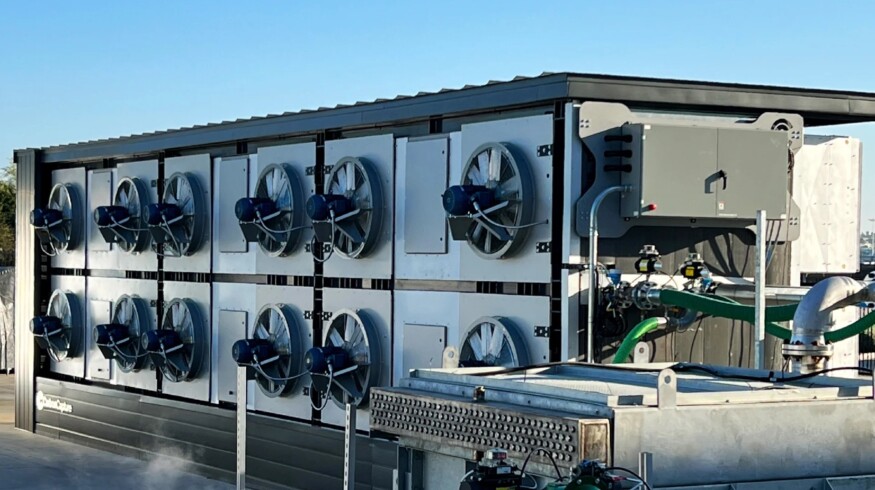
CarbonCapture has shifted its first commercial pilot carbon capture project from the United States to Canada, citing more favourable government incentives and a more stable regulatory environment. The project, led by CarbonCapture subsidiary True North Carbon, involves constructing a direct air capture (DAC) system in Innisfail, Alberta, expected to go online by the end of October. Once operational, the system will capture up to 2,000 tons of carbon dioxide per year, making it the largest DAC facility in Canada.
Adrian Corless, CEO of CarbonCapture, said Canada’s tax incentives and regulatory framework provide a stronger foundation for scaling carbon capture and storage projects. The company initially planned to build the project in Arizona and had components ready in a local factory, but earlier this year decided to relocate the equipment to Alberta.
Canada offers a 60% investment tax credit for DAC projects, with an additional 12% from the Alberta government for facilities in the province. “These incentives significantly improve the economics of projects,” Corless said, noting that operating costs at the pilot level currently run around $1,000 per ton of CO2 captured.
Alberta’s infrastructure also influenced the decision. The province hosts the world’s third-largest oil reserves and has experience with carbon capture from industrial facilities, including a network of pipelines for transporting CO2 to underground storage sites.
The project site, operated by Canadian startup Deep Sky, will feature a three-story structure resembling stacked air conditioning units. Large fans will draw in ambient air, passing it through engineered cartridges that absorb CO2. The captured gas will then be piped to a tank and eventually transported for underground storage. CarbonCapture and Deep Sky will share operational costs and revenues from carbon credit sales.
CarbonCapture previously attempted a DAC facility in Wyoming aimed at capturing 5 million tons of CO2 annually by 2030. That plan was abandoned due to limitations in carbon-free energy availability and transmission delays, whereas Corless expects Alberta to offer interconnection within months rather than years.
The move underscores the growing appeal of Canadian policies and infrastructure in supporting emerging carbon removal technologies.

Enjoyed this story?
Every Monday, our subscribers get their hands on a digest of the most trending agriculture news. You can join them too!





Discussion0 comments