

Study finds biochar makes composting more climate-friendly

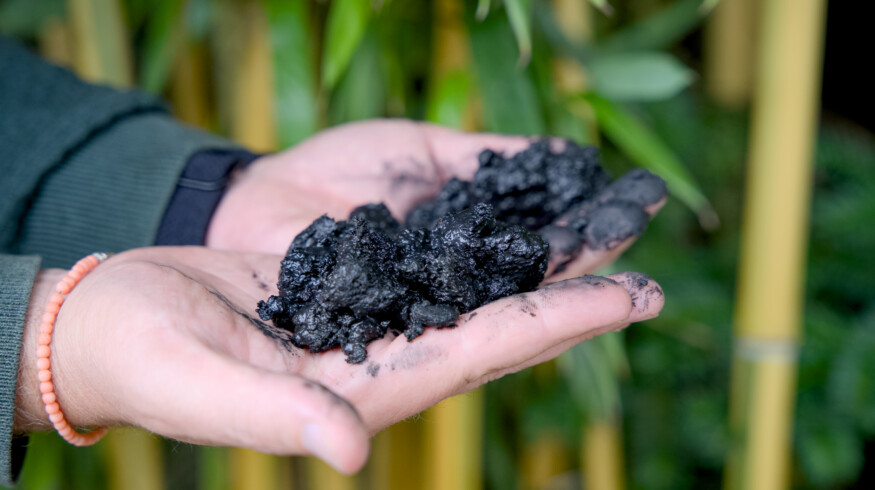
Adding biochar to compost can substantially lower greenhouse gas emissions from organic waste recycling, according to a new global analysis published in Nitrogen Cycling. The study found that the carbon-rich material reduces methane and nitrous oxide emissions during composting while leaving carbon dioxide largely unchanged.
The meta-analysis, led by Jingfan Xu of Nanjing Agricultural University, combined data from 123 studies and over 1,000 composting trials worldwide. The results point to consistent climate benefits across a wide range of composting conditions and materials.
“Biochar acts like a sponge that improves aeration, absorbs harmful gases, and stabilizes nutrients,” Xu said. “That balance helps the final compost retain more nitrogen for plants.”
Balancing compost chemistry
Biochar, made by heating biomass in low-oxygen conditions, creates a porous structure that holds air and water, influencing microbial activity during decomposition. The researchers found that this property helps reduce the formation of methane and nitrous oxide—two gases with much greater warming potential than carbon dioxide.
However, the study also identified factors that can weaken biochar’s benefits. High salinity in compost mixtures, measured as electrical conductivity, reduces biochar’s effectiveness by disrupting microbial processes. Similarly, overly acidic conditions can limit nitrogen retention.
When pH levels are neutral to slightly alkaline and moisture is moderate, biochar supports stable aerobic decomposition, shrinking methane-producing zones and minimizing nitrogen loss.
“By fine-tuning composting conditions, we can make organic waste recycling much more climate friendly,” said Zhengqin Xiong, senior author from Sichuan University of Arts and Science.
Dose and conditions matter
The analysis found that both the amount and type of biochar influence results. Moderate doses performed best, while excessive additions created wet pockets that favored methane formation. Laboratory tests also showed that oxidized biochar captured more nitrogen and reduced ammonia volatilization compared with untreated forms.
The researchers emphasize that starting compost recipes should avoid high-salt feedstocks and maintain a balanced carbon-to-nitrogen ratio. Mid-range values for moisture and pH, paired with moderate biochar doses, delivered the most consistent emission reductions across trials.
Practical implications
For compost managers and farmers, the findings offer clear operational guidance: maintain stable conditions and avoid extremes. Controlled airflow combined with biochar addition yielded the lowest greenhouse gas and ammonia emissions in both manure- and waste-based composts.
The authors conclude that biochar-enhanced composting can make waste recycling systems more climate resilient while improving nutrient efficiency—an approach that may help bridge agricultural productivity with emission reduction goals worldwide.

Enjoyed this story?
Every Monday, our subscribers get their hands on a digest of the most trending agriculture news. You can join them too!





Discussion0 comments