

Trump administration devotes $12 billion to support farmers facing higher production costs and trade disruptions


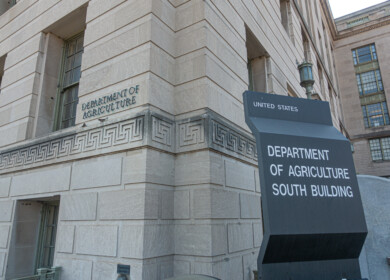
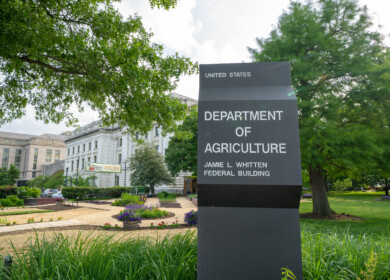
The U.S. Department of Agriculture (USDA) will distribute $12 billion in one-time bridge payments to farmers facing higher production costs and trade disruptions, the Trump administration announced in Washington on Monday. The funding is intended to provide short-term support ahead of broader farm safety-net changes scheduled to take effect in 2026 under the One Big Beautiful Bill Act.
According to the USDA, up to $11 billion will be allocated through the new Farmer Bridge Assistance Program, which will compensate row-crop producers for a portion of modeled losses in the 2025 season. Payments will be based on a uniform national formula drawing on data from planted acreage reports, cost-of-production estimates, and global supply-and-demand projections. Producers growing a wide range of commodities—including corn, soybeans, wheat, cotton, rice, and peanuts—are eligible. Payments are expected to be issued by Feb. 28, 2026.
Farmers must ensure their 2025 acreage data is filed accurately by December 19. The USDA said crop insurance participation is not required for program eligibility, although it encouraged producers to use new risk-management tools established under OBBBA. Commodity-specific payment rates are due by the end of December.
The remaining $1 billion will support commodities not covered under the row-crop program, including specialty crops and sugar. USDA said details for those allocations are still under development. All payments will be administered through the Commodity Credit Corporation’s Charter Act authority.
Agriculture Secretary Brooke Rollins said the initiative is designed to provide immediate relief as producers continue to face elevated input prices and weaker market conditions. She argued that the new payments will help stabilize planning for the 2026 crop year as updated reference prices, expanded base acreage, and other OBBBA provisions come into force.
The administration highlighted previous aid initiatives that have delivered more than $30 billion in assistance since January, including disaster relief payments and specialty crop support. It also pointed to recent policy changes affecting crop insurance, conservation funding and tax provisions, as well as federal actions targeting input-cost inflation, competitive conditions in agricultural supply chains and labor-cost reforms under the H-2A program.
USDA emphasized continued use of Section 32 commodity purchases, noting nearly $1 billion in acquisitions this year for distribution through nutrition programs. The administration also underscored recent decisions on biofuel volumes and E15 sales, describing them as supportive of corn and soybean demand.
Trade officials cited a series of market-access agreements and frameworks concluded with more than a dozen countries in recent months, accompanied by the launch of a $285 million agricultural trade-promotion program. USDA said further expansion of export opportunities remains a priority as global demand conditions evolve.

Enjoyed this story?
Every Monday, our subscribers get their hands on a digest of the most trending agriculture news. You can join them too!






Discussion0 comments