
How to fix a waterlogged lawn

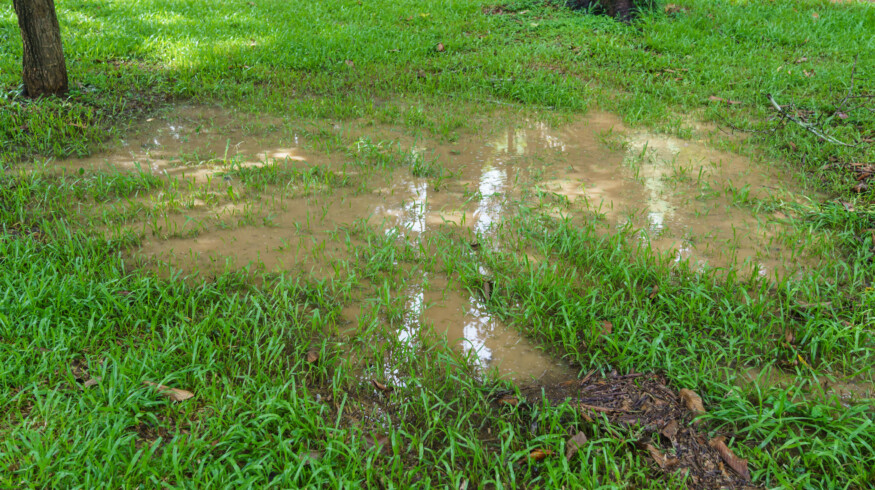
The colder months usually bring increased rainfall and, in some climates, even some snow. This water from rain or melting snow may leave your lawn unable to drain properly, leaving it feeling soft and spongy underfoot. Sometimes, the water may even pool visibly on the surface.
If not dealt with, a waterlogged lawn can cause your grass roots to drown since it won’t be able to get enough air. As a result, your lawn may develop bare patches, which will be more prone to moss, algae, lichens, and diseases.
Why is my lawn waterlogged?
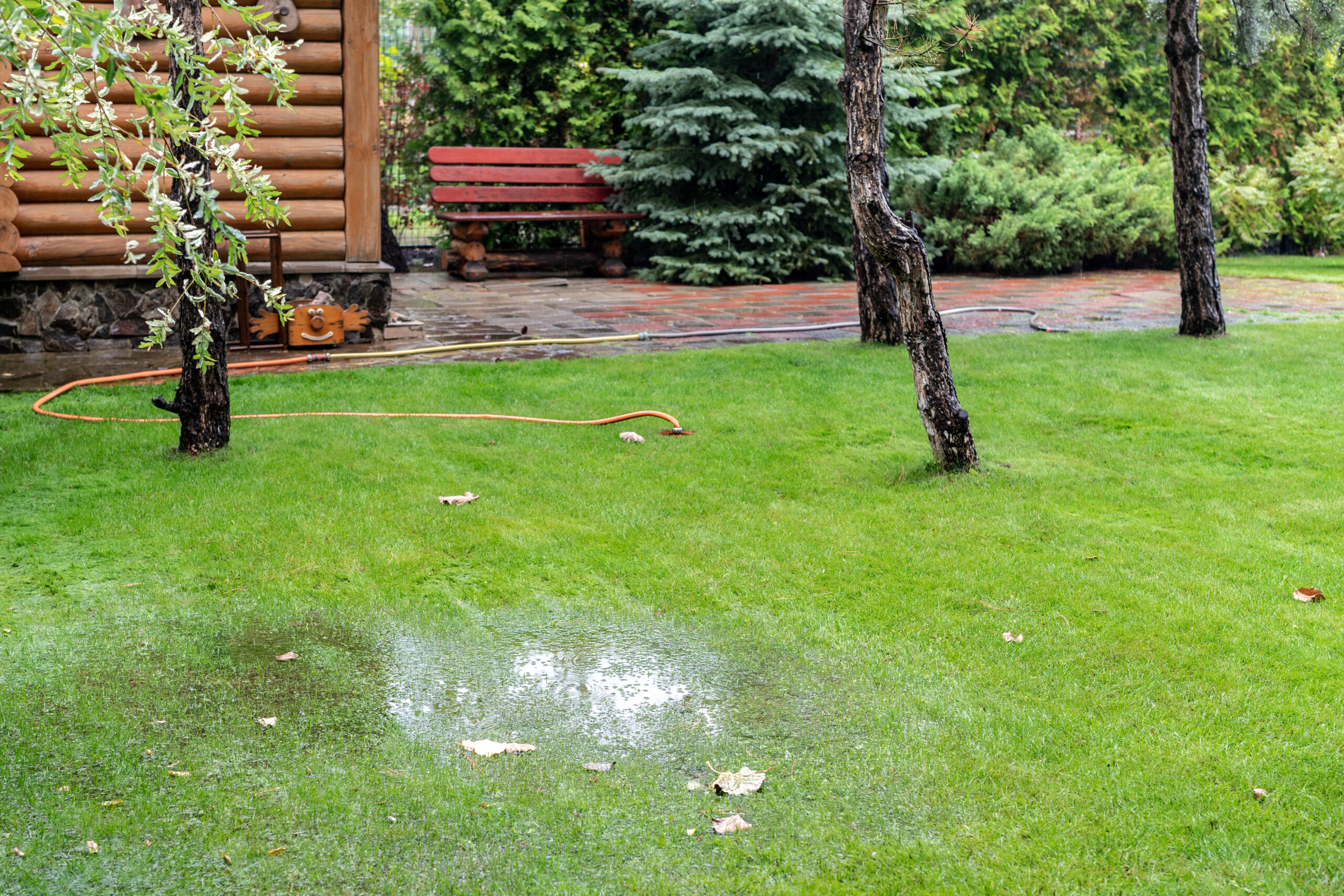
The three main reasons why your lawn is waterlogged are compaction and thatch, clay soil, and adverse weather conditions.
Soil can get compacted for several reasons, most commonly due to heavy use during summer and walking on it when wet. Using heavy machinery can compact the soil, too. Once this happens, the water cannot drain properly, leading to a waterlogged lawn over time.
A heavy soil that’s rich in clay can also lead to a waterlogged lawn. Clay soil is dense, composed of tiny particles that leave very little space for air and water to pass through. As a result, it drains poorly and can even cause flooding in your garden.
Extensive periods of bad weather, such as heavy rain, can result in even usually well-draining lawns becoming waterlogged. This type of waterlogging does not last as long as the other two, but it can still leave your grass feeling stressed.
How to repair a waterlogged lawn
Once your lawn has drained completely, focus on lawn care that will allow you to improve your soil’s drainage. If your lawn is at least one year old, scarifying and aerating it is a great way to do that.
Scarification refers to the process of removing excess thatch and moss, while aeration loosens up compacted soil by creating small holes in the ground that allow air and water to penetrate it. Both are best done in spring or fall.
Start by applying a moss killer a week or two before scarifying to make removal easier.
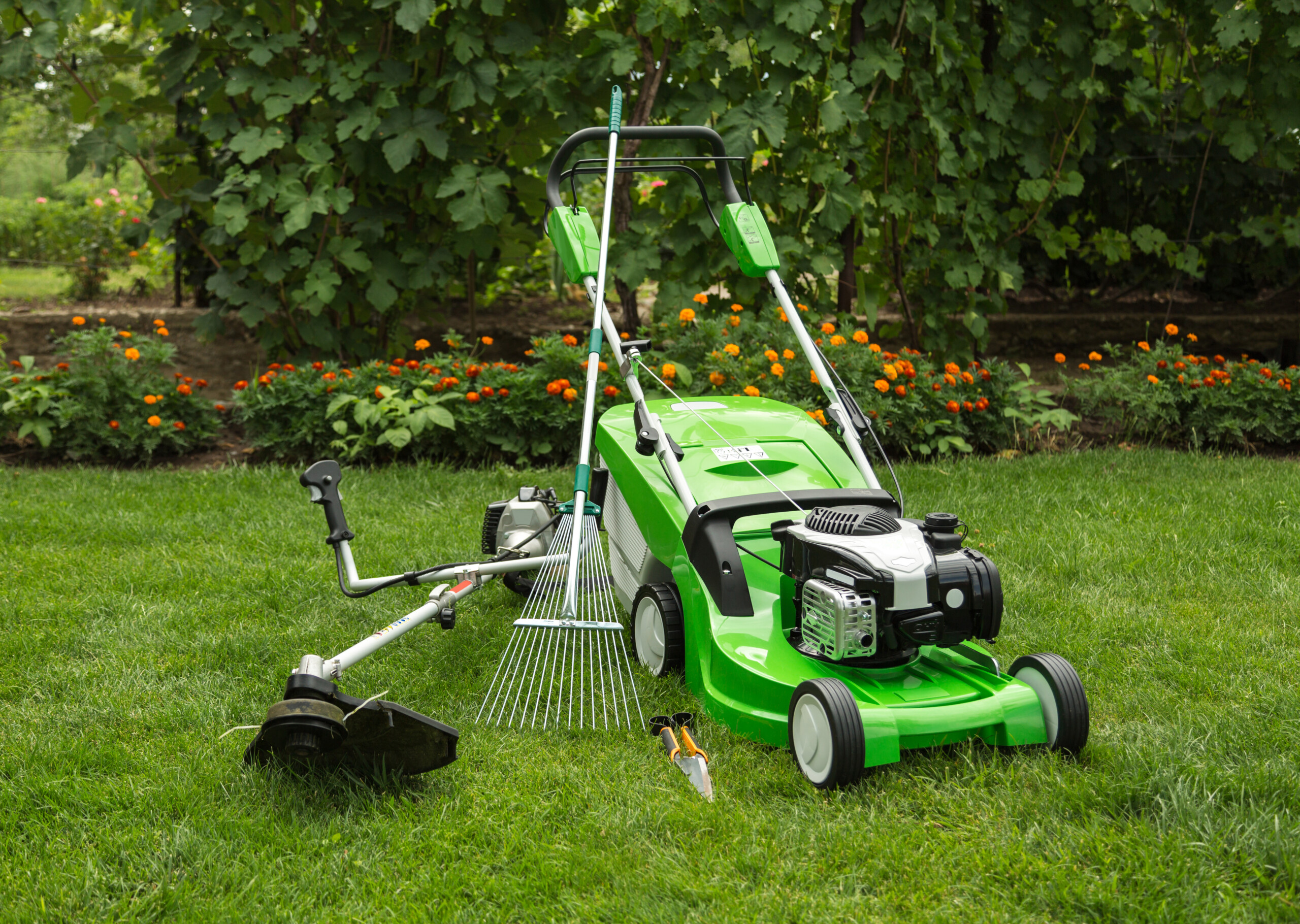
Next, mow your grass to around 1 inch high so that it is easier to access the soil and then use a rake or manual scarifier, going up and down your lawn. Once this is done, your lawn will look worse than before. Don’t worry – this is normal, and with proper care it will recover and thrive soon.
Next, it is time to aerate your lawn. Depending on your budget and the size of your garden, this can be done with a garden fork or a plug aerator. A plug aerator removes plugs of soil rather than just making holes in it, making it a better choice for lawns that waterlog easily.
Simply push the tool about 4-5 inches into the soil and pull it out. You then must repeat this process every 6 inches across the whole lawn.
Finally, make sure to spread some sandy top dressing into the holes at the rate of 2-3 kilograms per square metre. This will improve the overall texture of the soil, allowing for better drainage. You can also spread some grass seed during this time to increase the density of your lawn, making sure that you water it regularly until the seedlings are fully established.
————
About the Author: This article was prepared by Online Turf, a UK-based supplier of high-quality turf and lawn care products.



Discussion0 comments