

France tightens food import rules as farmers challenge Mercosur trade pact

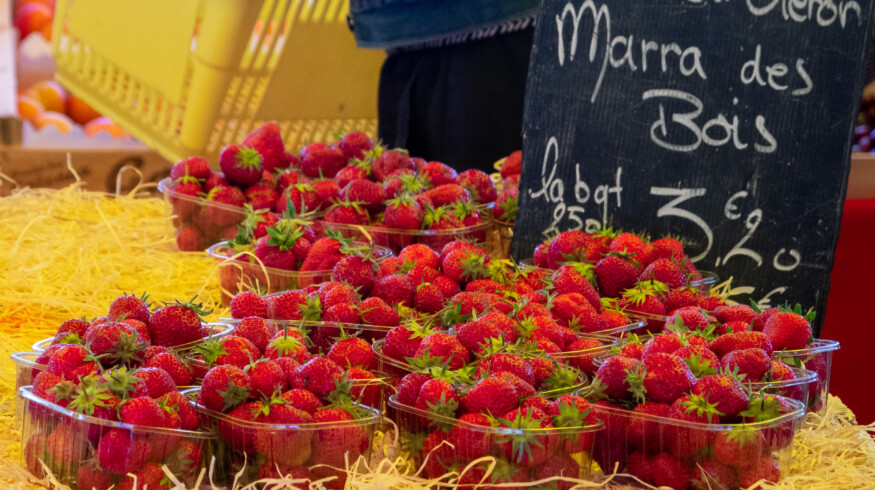
France will tighten inspections on a range of food imports, stepping up enforcement of European safety standards as farmers protest against what they view as unfair competition from overseas producers and a proposed EU trade agreement with South America’s Mercosur bloc.
Agriculture Minister Annie Genevard said the government would issue a decree suspending imports of certain products found to contain pesticides and fungicides banned within the European Union. The measures are intended to ensure that imported food complies with the same rules imposed on domestic producers.
“Imports, regardless of where they come from, must comply with our standards,” Genevard said in a post on X, describing the decree as unprecedented and applying to more than a dozen food products.
The products subject to stricter controls include melons, apples, apricots, cherries, strawberries, grapes and potatoes, which will only be sold in France if tests show no residue of prohibited substances. Imports such as avocados, mangoes, guavas and some citrus fruits, including shipments from South America, will also face tighter inspection.
Prime Minister Sébastien Lecornu said any imported goods containing traces of mancozeb, glufosinate, thiophanate-methyl or carbendazim—crop protection chemicals banned in the EU—would be barred from the French market.
The move comes as French farmers stage protests against the planned EU-Mercosur trade deal, which aims to reduce tariffs between the EU and Brazil, Argentina, Paraguay and Uruguay. Farmers’ groups argue the agreement would open the market to cheaper agricultural imports, particularly beef, produced under environmental and food-safety standards they say are less stringent than those in Europe.
Germany and Spain support the Mercosur agreement, but France has emerged as one of its strongest critics. Genevard said Paris would push the European Commission to extend the tougher enforcement across the bloc, adding that France would act unilaterally again if necessary.
The Mercosur agreement, reached in principle in 2019, has yet to be ratified and remains politically contentious as EU member states weigh trade liberalization against domestic agricultural protections.
Based on Reuters reporting.

Enjoyed this story?
Every Monday, our subscribers get their hands on a digest of the most trending agriculture news. You can join them too!





Discussion0 comments