

Rice husk carbonization gains traction as circular agriculture solution

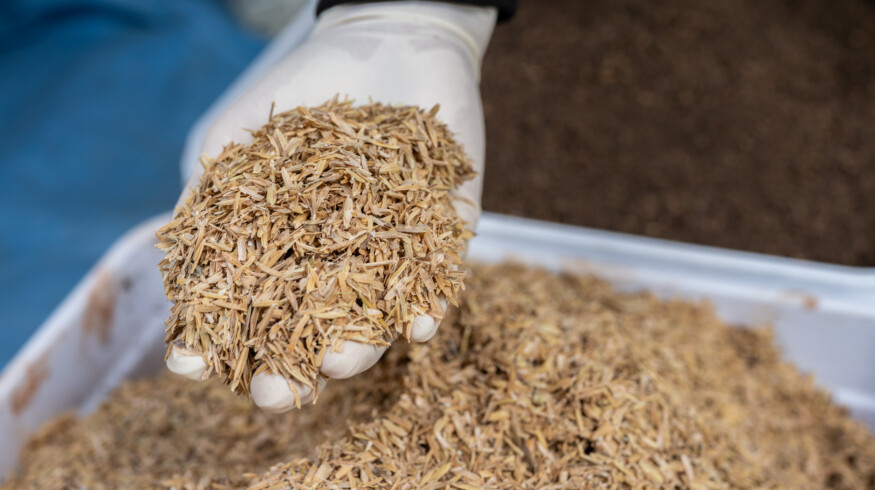
Rice husk carbonization is emerging as a practical pathway for circular agriculture, as producers and researchers look to convert one of farming’s most abundant by-products into soil-enhancing fertilizer and renewable energy.
Rice husks account for about 20% of the weight of harvested rice and have traditionally been treated as waste, often burned in the open or sent to landfills. Both practices contribute to air pollution and land-use pressures. Advances in carbonization technology are now enabling husks to be processed into biochar, creating what proponents describe as a closed-loop system linking crop production, waste management, and soil fertility.
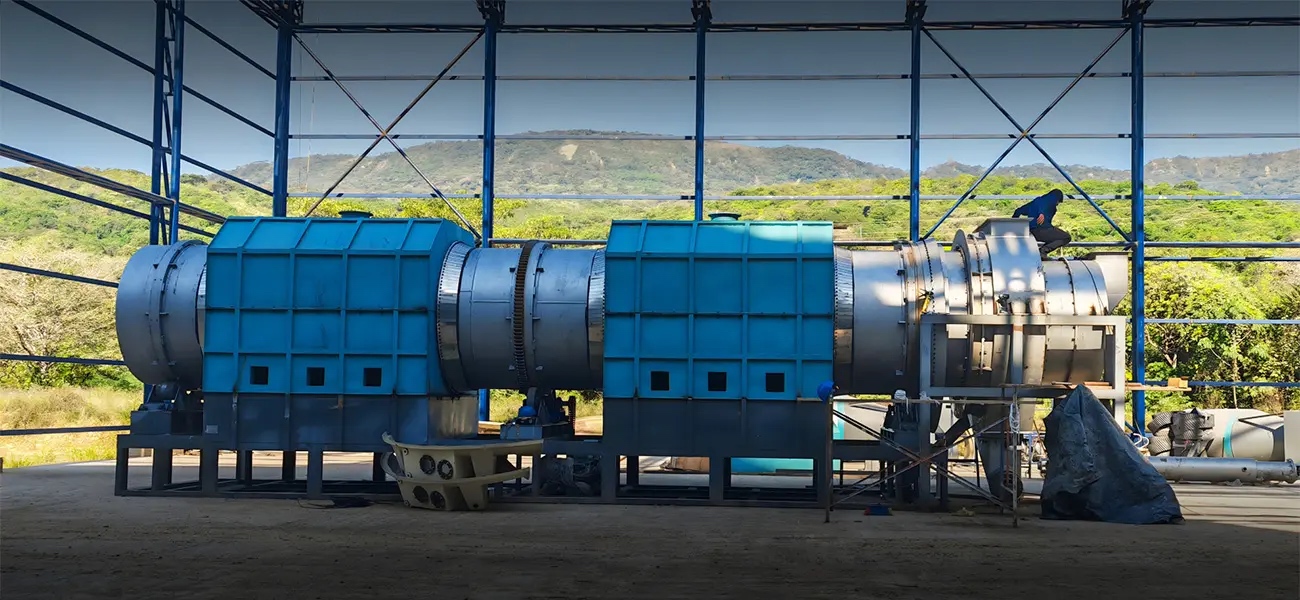
China, the world’s largest rice producer, generates an estimated 48 million metric tons of rice husks each year. Historically, less than 60% of that volume has been reused, according to industry estimates. Carbonization technology aims to address that gap by processing husks through controlled pyrolysis in an oxygen-limited environment, producing carbon-rich biochar while capturing combustible gases that can be reused for energy, allowing the system to operate with minimal external fuel input.
The process depends on precise temperature and moisture control. Rice husks are typically dried to a moisture content of 10% to 18% before entering a carbonization furnace, where they are gradually heated in stages from around 250 degrees Celsius to as high as 400 degrees. The resulting biochar retains a porous structure and can reach calorific values reported to exceed those of many conventional biomass fuels.
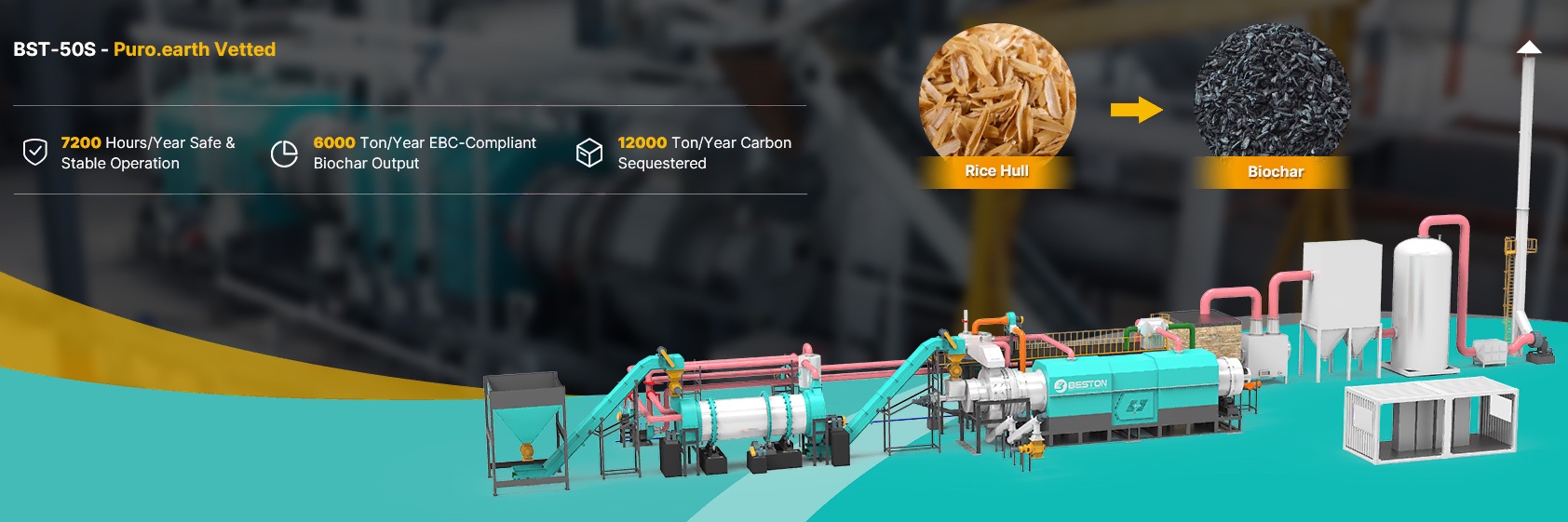
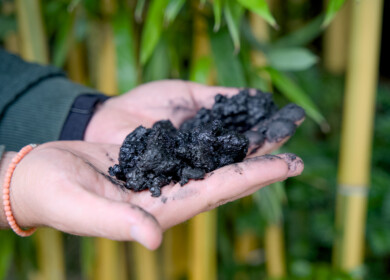
Once applied to farmland, rice husk biochar functions as a soil amendment rather than a conventional fertilizer. Its porous structure improves soil aeration and drainage, helps retain water and nutrients, and can increase nitrogen fertilizer efficiency by more than 30%, according to project data cited by technology providers. Because the material is alkaline, it can also help neutralize acidic soils and adsorb heavy metals and other contaminants, reducing disease pressure.
Field trials and demonstration projects have reported measurable agronomic benefits. In vegetable production, application rates of 100 to 200 kilograms per mu as a base amendment have been associated with looser soils and lower pest incidence. A pilot project in Vietnam’s Mekong Delta found that using rice husk biochar to remediate acidified soils increased rice yields by about 18% while cutting pesticide use by 40%.
Supporters of the technology also point to its climate implications. Recycling 10,000 tons of rice husks through carbonization can significantly reduce landfill demand and lock carbon into stable biochar, producing emissions reductions comparable, by some estimates, to planting tens of thousands of mature trees.
As governments and agribusinesses pursue decarbonization and waste-reduction goals, rice husk carbonization is being positioned as a model that could be replicated for other crop residues, including wheat straw and corn cobs. Developers say future applications may extend beyond agriculture into areas such as soil remediation, water treatment, biomass energy, and activated carbon production.
While adoption remains uneven, the approach highlights how agricultural residues can be reintegrated into production systems, turning waste streams into inputs and linking productivity gains with environmental objectives.

Enjoyed this story?
Every Monday, our subscribers get their hands on a digest of the most trending agriculture news. You can join them too!





Discussion0 comments