

Maryland farmer achieved top corn yields by returning to conventional tillage and compost applications


A Maryland corn grower’s decision to abandon long-standing no-till practices in favor of conventional tillage and heavy compost use has delivered one of the highest non-irrigated yields in the U.S., underscoring a renewed debate over soil management as farmers face tighter margins.
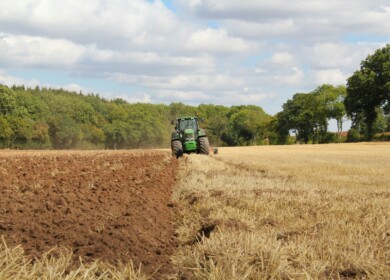
Drew Haines of Middletown placed third nationally in the National Corn Yield Contest’s conventional, non-irrigated category, producing 346.14 bushels an acre of DeKalb corn. After nearly two decades of continuous no-till corn, Haines began reintroducing moldboard and chisel plowing in 2023, combining it with increasing applications of compost to address soil compaction and moisture retention.
Field trials on his farm showed that conventional tillage outyielded no-till plots by about 75 bushels per acre and outperformed cover-cropped fields by as much as 120 bushels. Haines has also reduced chemical inputs, opting for biological treatments instead of fungicides, arguing that investments in soil health generate better returns than costly equipment upgrades.
The results come as farmers across the U.S. reassess production strategies amid lower crop prices and rising input costs. While no-till remains dominant in many regions, Haines’ performance highlights that, under certain conditions, older cultivation methods combined with organic amendments can still compete at the highest levels of productivity.

Enjoyed this story?
Every Monday, our subscribers get their hands on a digest of the most trending agriculture news. You can join them too!




Discussion0 comments