

Ballance Agri-Nutrients issued 2026 global fertilizer markets report


Global fertilizer markets are entering 2026 with firmer pricing across several key nutrients, driven by geopolitical risks, export restrictions, and tight supply conditions, according to Ballance Agri-Nutrients’ Fertilizer Outlook for January 2026.
Urea prices have risen sharply in recent weeks, reflecting renewed buying activity from India, ongoing Chinese export limits, and uncertainty in energy markets. India, the world’s largest urea importer, increased purchases significantly in 2025 due to domestic production issues, pushing international prices up by roughly $150 per metric ton during the year. Entering 2026, demand from India is again placing upward pressure on prices, raising the risk of higher costs for autumn shipments if the trend persists .
Phosphate markets remain influenced by China’s continued restrictions on exports of DAP, MAP, NPKs, and urea. These curbs have kept DAP prices elevated globally, despite cautious buying behavior in some regions. High input and energy costs are also underpinning phosphate prices, while movements remain uneven across markets. Ballance said new imported products, including higher-density double superphosphate, are expected to support nutrient efficiency and provide additional options for New Zealand farmers .
Potash prices have been comparatively stable, although supply remains tight as major exporters continue to manage volumes. Steady regional demand could create mild upward pressure heading into winter, particularly if benchmark contracts or supply conditions change. By contrast, phosphate rock markets are currently well supplied in most regions, keeping prices contained for now .
Sulfur stands out as one of the tightest markets. Reduced Russian exports, combined with strong demand from the phosphate and metals industries, have driven large increases in international sulfur prices. The sulfuric acid market is also firming as Chinese operating rates decline and demand rises in countries including Turkey, India, and South Africa .
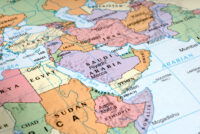
Geopolitical factors remain a central source of uncertainty. Ongoing instability in the United States, the Middle East, and Eastern Europe continues to affect freight, energy, and fertilizer pricing, while tensions involving major producers such as Iran add further risk. At the same time, the European Union’s Carbon Border Adjustment Mechanism, which came into force at the start of the year, could affect fertilizer trade flows if applied fully to nutrient products, potentially altering global price competitiveness over 2026 .
Shane Crean, Ballance’s head of procurement, said volatility has become a defining feature of global fertilizer markets. While some stabilization could emerge later in the year if Chinese exports resume and no major supply disruptions occur, he warned that political and trade developments continue to have an outsized influence on prices. As a result, delaying fertilizer purchases in anticipation of significant price declines could prove risky, he said .
The outlook concludes that, with prices firming across several nutrients, farmers may benefit from reviewing and executing fertilizer plans rather than waiting for potential market corrections, as supply security and pricing remain exposed to global shocks .

Enjoyed this story?
Every Monday, our subscribers get their hands on a digest of the most trending agriculture news. You can join them too!




Discussion0 comments