

Kazakhstan expands seed breeding capacity with new processing plant

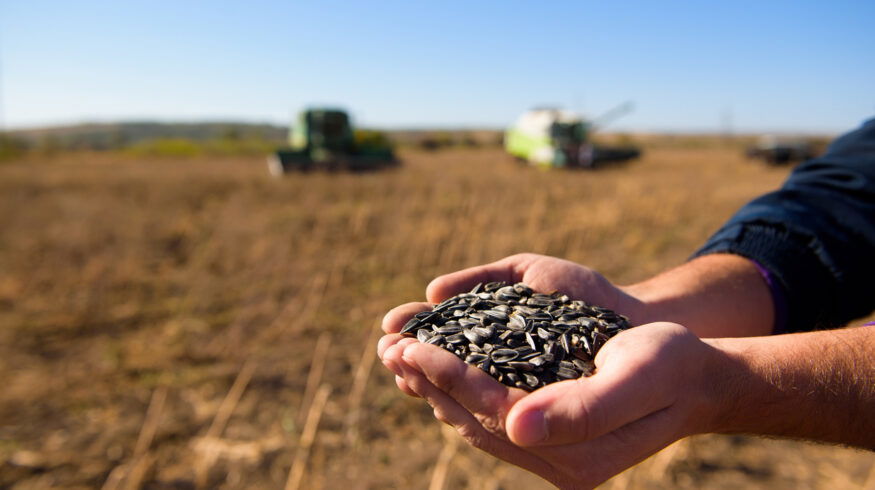
Construction of a grain and oilseed processing plant will begin in 2026 at the East Kazakhstan Agricultural Experimental Station, as part of a state-backed investment initiative to strengthen domestic seed production.
The project aims to reduce the agricultural sector’s dependence on imported seed by expanding the supply of locally bred soybean and sunflower hybrids adapted to the soil and climate conditions in northern and eastern Kazakhstan.
The facility will operate as a fully digital complex equipped with modern processing technology. According to project details, the plant will ensure seed purification rates of 95% to 99%. Processing will include fractionation, cleaning, treatment, dressing, and packaging, with the goal of supplying certified, ready-to-plant seed that meets domestic and international quality standards.
The experimental station, which holds elite seed farm status, conducts breeding and seed production programs focused on high-yielding, early-maturing soybean varieties and sunflower hybrids. It is also the originator of varieties and hybrids of sunflower, soybeans, spring and winter wheat, and forage crops.
The designed production capacity will reach 40 metric tons per hour for commercial cereals and 20 tons per hour for sunflowers. In seed processing mode, the capacity will total 20 tons per hour for cereals and 5 tons per hour for sunflowers, according to the project outline.

Enjoyed this story?
Every Monday, our subscribers get their hands on a digest of the most trending agriculture news. You can join them too!







Discussion0 comments