

China’s Taklamakan afforestation drive turns desert fringe into carbon sink, study finds

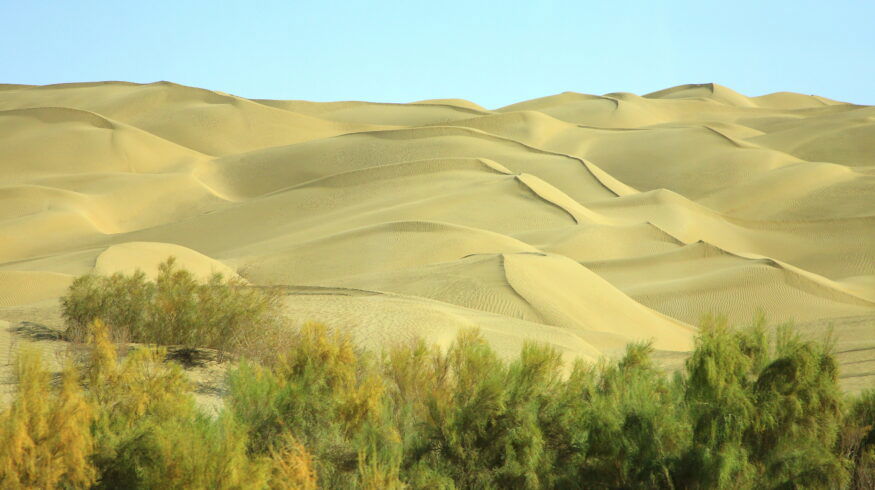
Large-scale tree planting around China’s Taklamakan Desert has transformed parts of what was once described as a “biological void” into a net carbon sink, according to new research published in Proceedings of the National Academy of Sciences.
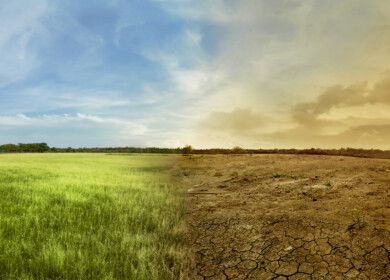
The desert, spanning roughly 130,000 square miles in the Xinjiang region and long characterized by shifting sands and extreme aridity, has been the focus of state-led afforestation efforts since 1978 under the Three-North Shelterbelt Program, also known as the Great Green Wall. The program aims to curb desertification in northern China by 2050 through mass tree planting. Researchers report that vegetation expansion along the desert’s edges now absorbs more carbon dioxide than the area emits, marking what they describe as the first documented case of human-led intervention turning a desert margin into a stable carbon sink.
The study draws on 25 years of satellite observations, ground-based vegetation data and carbon flux modeling, including analysis from the U.S. National Oceanic and Atmospheric Administration’s Carbon Tracker system. Findings show a sustained rise in vegetation cover and photosynthetic activity around the desert perimeter, coinciding geographically and temporally with afforestation projects. During the July-to-September wet season, average monthly precipitation reached about 16 millimeters, roughly 2.5 times higher than in the dry season, supporting plant growth and lowering atmospheric CO2 concentrations over the region from 416 parts per million in the dry season to 413 ppm in the wet season.
More than 66 billion trees have been planted across northern China to date, and authorities completed a vegetative ring around the Taklamakan in 2024. Forest cover nationwide has increased from about 10% in 1949 to more than 25% today. While debate continues over whether the Great Green Wall has reduced sandstorm frequency, the authors argue that its emerging role as a carbon sink could provide a model for managing other arid regions facing desertification and climate stress.
Sources: Live Science

Enjoyed this story?
Every Monday, our subscribers get their hands on a digest of the most trending agriculture news. You can join them too!



Discussion0 comments