

Trump orders boost to domestic phosphorus and glyphosate production

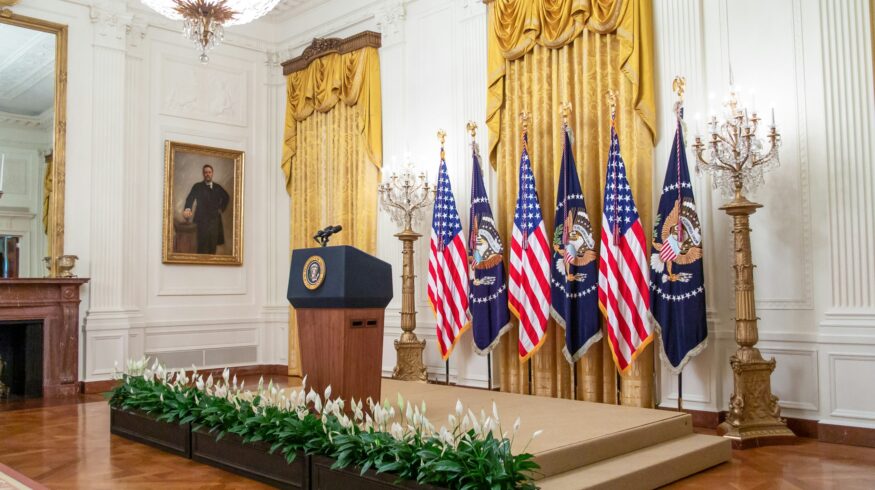
President Donald J. Trump on Feb. 18 signed an executive order directing an increase in domestic production of elemental phosphorus and glyphosate-based herbicides, citing risks to national defense and food-supply chains.
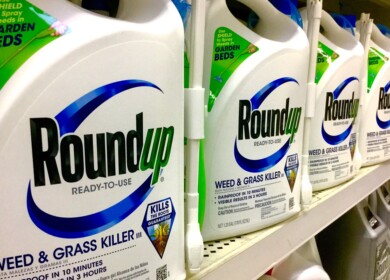
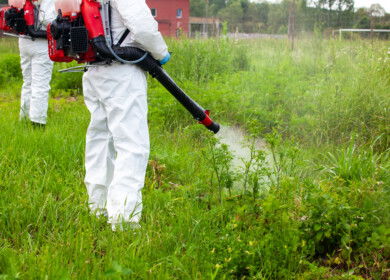
The order invokes the Defense Production Act, giving Agriculture Secretary Brooke Rollins authority to set nationwide priorities and allocate materials, services, and facilities to maintain “a continued and adequate supply” of the critical inputs. Glyphosate, the key ingredient in Bayer’s Roundup, is widely used in U.S. agriculture to protect crops and reduce production costs, while phosphorus is essential for herbicide manufacturing and certain military technologies, including semiconductors, sensors, and lithium-ion batteries.
The White House noted that the U.S. has only a single domestic producer of elemental phosphorus and glyphosate, leaving the country reliant on imports of more than six million kilograms of phosphorus annually. The order also provides liability protection under the Defense Production Act, shielding companies from damages arising from compliance.
Bayer, which produces both Roundup and elemental phosphorus domestically, is simultaneously negotiating a $7.25 billion class-action settlement to resolve thousands of lawsuits claiming the herbicide causes cancer. A related Supreme Court case, Monsanto v. Durnell, is scheduled for April 27.
Health and Human Services Secretary Robert F. Kennedy Jr., a former environmental attorney, defended the order, saying it strengthens U.S. defense and agricultural readiness.
The move drew swift criticism from environmental and public-health advocates, including the Make America Healthy Again coalition, a key Trump supporter base that opposes glyphosate. Ken Cook, president of the Environmental Working Group, called the decision “the exact opposite of what MAHA voters were promised.”
Agricultural lawmakers representing major crop states welcomed the order. House Agriculture Committee Republicans described it as “a vital step forward” to secure access to critical crop inputs, while House Agriculture Chair Rep. G.T. Thompson, R-Pa., is advancing a farm bill that would consolidate federal oversight of pesticide regulations.
Analysts said the order highlights the administration’s dual focus on domestic supply chains for defense and agriculture while navigating political risks among environmental and rural constituencies.

Enjoyed this story?
Every Monday, our subscribers get their hands on a digest of the most trending agriculture news. You can join them too!






Discussion0 comments