

Embrapa’s microbe research cuts fertilizer use and reshapes Brazil’s soybean sector

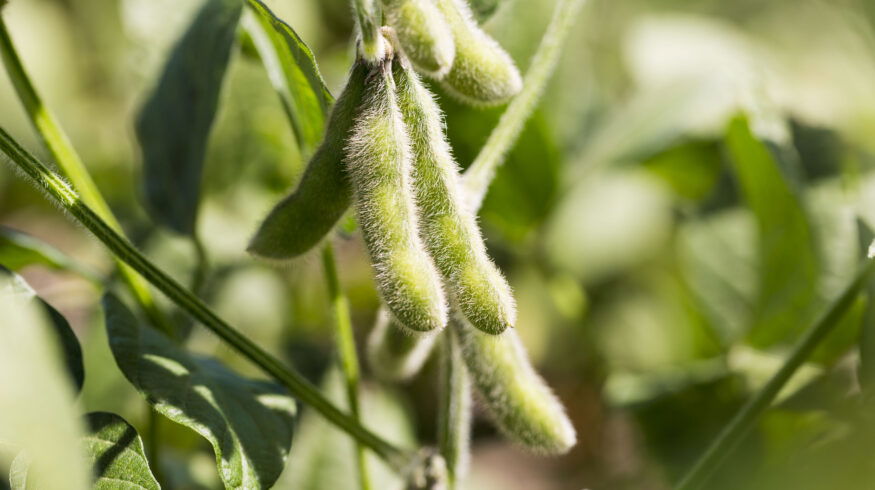
Embrapa has played a central role in reducing Brazil’s reliance on synthetic nitrogen fertilizers by advancing large-scale use of biological nitrogen fixation in soybean farming. Decades of research at the state-backed institution led to the development of microbial inoculants that enable crops to obtain nitrogen from the air through symbiotic soil bacteria, reducing the need for fossil-fuel-based inputs.
The technology, refined for tropical soils and deployed commercially across millions of hectares, has helped Brazil curb nitrogen fertilizer imports while sustaining high yields. The shift has reduced production costs for farmers and cut emissions linked to fertilizer manufacturing and runoff, supporting the country’s position as the world’s largest soybean exporter.
The work received international recognition in 2025 when research conducted at Embrapa was honored with the World Food Prize, underscoring the global relevance of biological alternatives amid volatile fertilizer prices and tightening climate constraints.
Sources: The Times of India

Enjoyed this story?
Every Monday, our subscribers get their hands on a digest of the most trending agriculture news. You can join them too!





Discussion0 comments