

Mosaic and Rainbow Rare Earths move forward with Uberaba project in Brazil

The Mosaic Company and Rainbow Rare Earths have completed a preliminary economic assessment and signed a joint project development agreement to advance the Uberaba rare earths project in Minas Gerais, part of a broader effort to recover critical minerals from fertilizer industry byproducts.
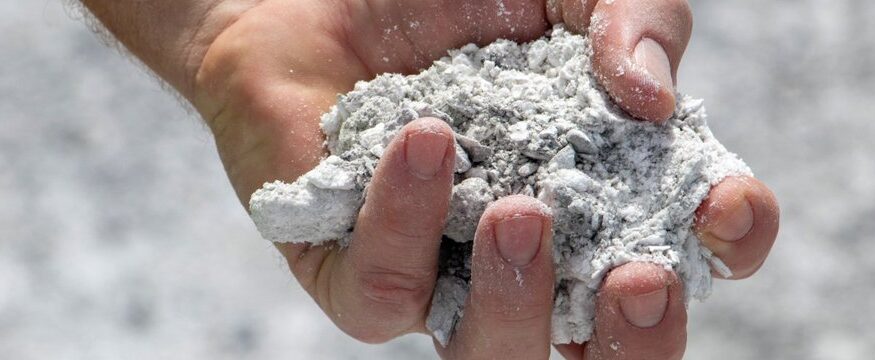
The project, located in Uberaba, would process phosphogypsum—a residue generated during phosphoric acid production—to extract rare earth elements used in magnets and other advanced technologies. The companies plan to begin a prefeasibility study, with the goal of progressing to a definitive feasibility study later in 2026.
If the studies confirm the project’s viability and both parties decide to proceed, the companies expect to form a jointly owned project company and begin construction of a processing facility in 2027. Initial production is currently targeted for 2030, subject to regulatory approvals, financing, and final investment decisions.
According to the preliminary economic assessment completed in February, the proposed facility would process about 2.7 million metric tons of phosphogypsum annually. Output is expected to include roughly 1,900 metric tons of separated neodymium and praseodymium (NdPr) oxide, materials commonly used in high-performance permanent magnets, as well as about 600 metric tons of a samarium-, europium- and gadolinium-rich product containing medium and heavy rare earth elements.
The companies said most mining-related capital costs would effectively be embedded within existing phosphate fertilizer operations, as the rare earth elements would be recovered from waste material generated by those facilities. As a result, project economics would primarily reflect the additional processing required to separate and refine the rare earth elements.
Rainbow’s economic assessment estimates the project could generate a post-tax net present value of about $916 million using a 10% discount rate, with an internal rate of return of roughly 45% and a projected payback period of about 1.7 years, based on rare earth pricing data from Argus Media as of March 5, 2026.
The companies view the initiative as part of a broader push to diversify rare earth supply chains in the Americas. Brazil has drawn increasing interest from developers seeking alternatives to traditional rare earth mining operations, which are often capital-intensive and environmentally challenging.
Rainbow focuses on extracting rare earth elements from phosphogypsum and other industrial residues rather than conventional mining. The company is also advancing a similar project at Phalaborwa in South Africa. One of Rainbow’s principal shareholders is TechMet, which is backed in part by the U.S. International Development Finance Corporation.
Mosaic, headquartered in Tampa, is a major global producer of phosphate and potash fertilizers and operates extensive phosphate facilities in Brazil, where phosphogypsum is generated as a byproduct of fertilizer production.

Enjoyed this story?
Every Monday, our subscribers get their hands on a digest of the most trending agriculture news. You can join them too!





Discussion0 comments