


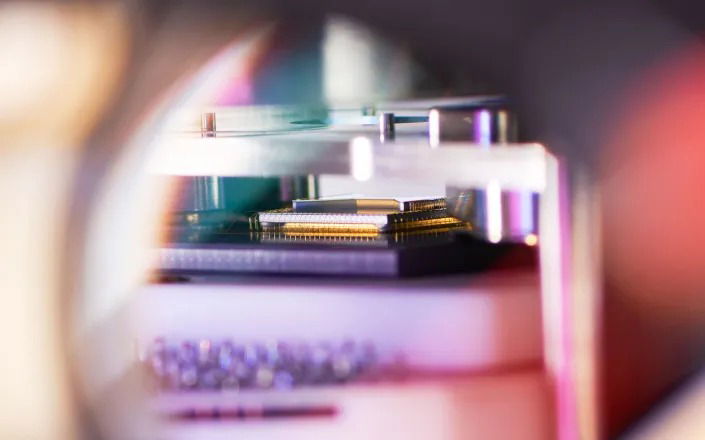
Syngenta is exploring the use of quantum computing in agricultural research through a partnership with QuantumBasel, as the crop-science company looks for new tools to accelerate discovery and product development.
The initiative was announced at the World Agri-Tech Innovation Summit. Researchers from both organizations will work together to examine whether quantum computing can improve the modeling of complex molecular interactions that underpin crop protection and plant science.
Agricultural researchers face increasing pressure to develop technologies that help farmers raise productivity while managing climate variability, pest pressures and sustainability constraints. Understanding the molecular behavior behind crop protection products often involves calculations that stretch the limits of conventional computing systems.
Quantum computing, still in early stages of development, could eventually allow scientists to simulate molecular interactions with greater precision than classical computers. Such capabilities may help researchers design new crop-protection products or better understand biological processes affecting crops.
Under the partnership, Syngenta scientists will collaborate with QuantumBasel specialists at the hub’s facilities in Basel, Switzerland. The work will combine the company’s crop-science research capabilities with QuantumBasel’s algorithms, computing infrastructure and simulation tools.
Companies across several industries, including pharmaceuticals and materials science, are exploring quantum computing as a potential tool for complex modeling and discovery.






Discussion0 comments