

India, Bangladesh urea producers halt operations as LNG disruptions ripple through fertilizer markets

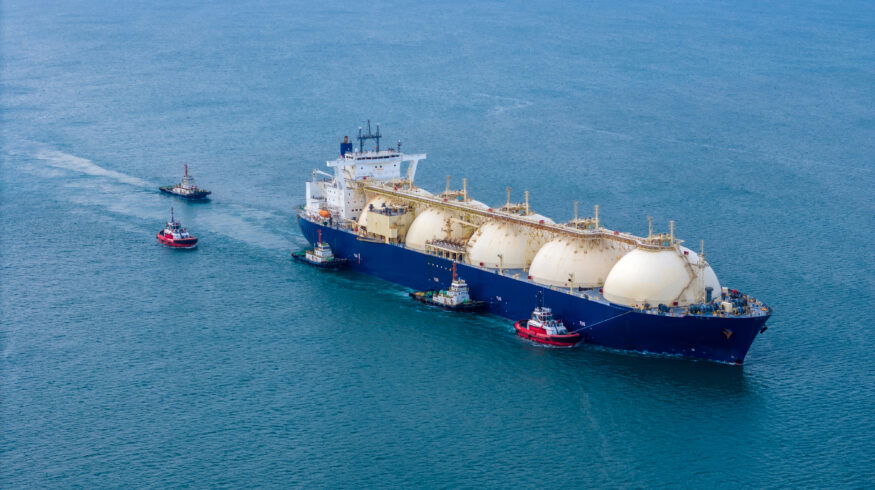
Urea producers in India and Bangladesh have begun shutting plants or advancing maintenance schedules after supplies of liquefied natural gas from Qatar were disrupted by the Iran war, tightening access to a critical feedstock for fertilizer production. Manufacturers, including Indian Farmers Fertilizer Cooperative, have idled some facilities or initiated routine upkeep, according to people familiar with the matter. Restarting operations could take up to a month if LNG flows resume, they said.
LNG is central to urea production, both as an energy source and a raw material. Gas availability for India’s fertilizer sector has fallen to roughly 70% of requirements, raising concerns about supply adequacy ahead of the peak monsoon demand season beginning in June. A prolonged disruption could force India—the world’s largest urea importer—to increase purchases on global markets, potentially lifting prices and complicating government efforts to contain subsidy costs. Higher input costs may also feed into broader food inflation, given the country’s role as a leading producer of rice, wheat, cotton, and sugar.
Authorities said measures are in place to maintain at least 70% of LNG supply to fertilizer producers during the disruption. Fertilizer inventories, including urea, stood at about 18 million metric tons as of March 10, up nearly 37% from a year earlier, according to official data. Meanwhile, Bangladesh Chemical Industries Corporation has shut four of its five urea plants due to gas rationing. Across the region, buyers in India, Bangladesh, Thailand, and Vietnam have turned to the spot LNG market, though some recent tenders have gone unawarded, signaling tight near-term supply.
Source: AgroPages

Enjoyed this story?
Every Monday, our subscribers get their hands on a digest of the most trending agriculture news. You can join them too!





Discussion0 comments