

Peru defines rules for gene-edited crops under GMO moratorium

Peru has introduced new criteria to determine how organisms developed using gene-editing technologies will be classified under its existing biosafety laws, providing regulatory clarity while maintaining a longstanding ban on genetically modified crops.
The guidelines, approved by the Ministry of the Environment under Ministerial Resolution No. D000068-2026-MINAM-DM and published in the official gazette El Peruano, establish a technical process to assess whether products developed with tools such as CRISPR fall within the definition of modified living organisms (MVOs).
The measure does not alter Peru’s moratorium on the cultivation and import of genetically modified organisms, which remains in place until 2035. Instead, it addresses how newer gene-editing techniques—many of which do not involve the introduction of foreign DNA—should be evaluated under current law.
Under the framework, regulators will apply case-by-case scientific criteria to determine whether genetic changes qualify an organism as an MVO. The approach distinguishes between conventional transgenic methods and targeted genetic modifications that may resemble naturally occurring mutations.
Officials confirmed that the guidelines are intended to align regulation with advances in biotechnology and establish a consistent basis for decision-making. David Castro, director of genetic resources and biosecurity at the ministry, said the framework provides greater predictability for research institutions, universities and companies working with gene-editing tools.
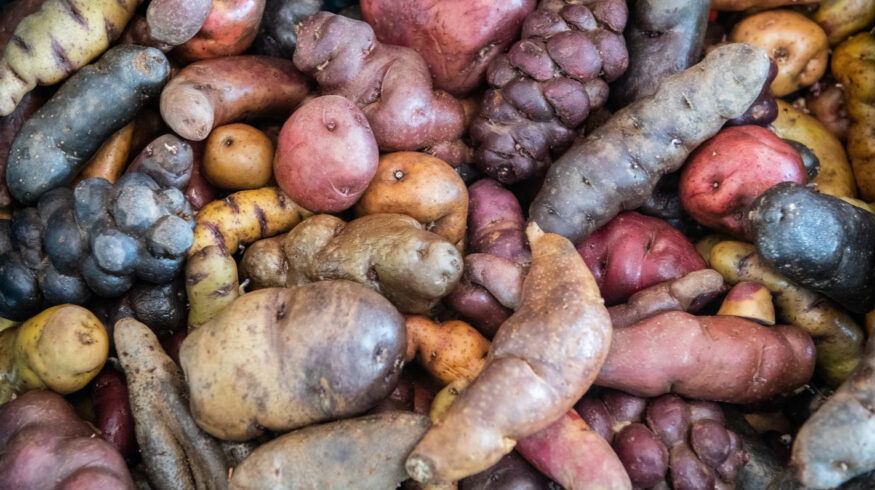
The clarification could affect both domestic agriculture and export-oriented sectors. Peru’s agricultural production—ranging from staple crops such as potatoes and rice to export commodities including blueberries, grapes, avocados and asparagus—faces increasing pressure to improve yields, manage resource use and meet quality standards in international markets.
Gene-editing technologies are being explored globally as a means to improve crop resilience and productivity without expanding cultivated land or increasing input use. Clearer regulatory treatment is often viewed as a prerequisite for investment in research and commercialization.
Peru’s approach follows similar policy developments in countries including Argentina, Brazil, the United States, Canada and Japan, where regulators assess gene-edited products based on their characteristics rather than the methods used to produce them. The European Union is also considering a comparable distinction.

Enjoyed this story?
Every Monday, our subscribers get their hands on a digest of the most trending agriculture news. You can join them too!






Discussion0 comments