

How to use monoammonium phosphate for seed treatment

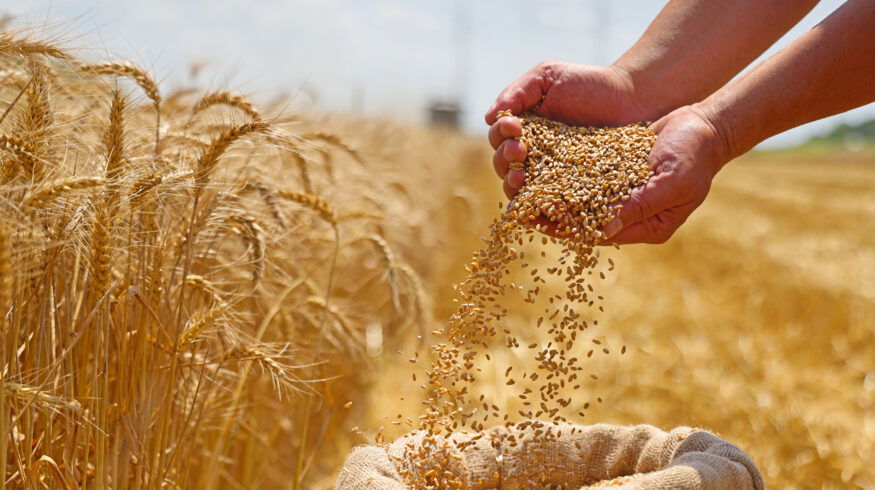
Monoammonium Phosphate (MAP) is widely used as a nitrogen-phosphorus fertilizer, but its role extends beyond soil application. When applied during pre-sowing seed treatment, MAP can support early plant development by delivering readily available nutrients directly at the start of germination. This approach is increasingly used to improve crop uniformity and establish stronger field stands.
Why seed treatment with MAP matters
Enhanced germination vigor
Treating seeds with MAP accelerates germination, reducing time to emergence and improving uniformity across the field. Faster and more synchronized emergence is particularly important under variable field conditions.
Early root system development
The phosphorus content in MAP plays a central role in stimulating early root growth. A well-developed root system improves access to soil moisture and nutrients, which is critical during the first stages of crop establishment.
Improved plant resilience
Early access to nitrogen and phosphorus supports stronger seedlings that are better equipped to tolerate environmental stress, including temperature fluctuations, pests, and diseases.
High nutrient availability
MAP provides nutrients in a form that is quickly absorbed by the seed and emerging plant, supporting early metabolic activity and growth.
Application methods and rates
Effective use of MAP in seed treatment depends on precise application:
- Application rate: 1–2 kg per ton of seeds
- Working solution volume: 5–20 liters per ton of seeds
Two main approaches are commonly used:
- soaking seeds in a prepared MAP solution
- combining MAP with standard seed treatment products, including crop protection agents
When combining with pesticides, compatibility testing is essential to avoid reduced efficacy or potential seed damage.
Key considerations for effective use
To ensure consistent results, several operational factors should be carefully managed:
- uniform coverage of the working solution on all seeds
- strict adherence to recommended dosages to prevent phytotoxic effects
- use of clean, good-quality water for solution preparation
- proper storage conditions for treated seeds prior to planting
Practical benefits for growers
The inclusion of MAP in pre-sowing seed treatment programs can improve field germination rates and promote more uniform crop establishment. Stronger early growth and improved root development contribute to better nutrient uptake throughout the season, supporting yield potential and overall fertilizer efficiency.

Enjoyed this story?
Every Monday, our subscribers get their hands on a digest of the most trending agriculture news. You can join them too!






Discussion0 comments