

Mexico farmers seek tariff relief on Chinese fertilizers as supply risks mount

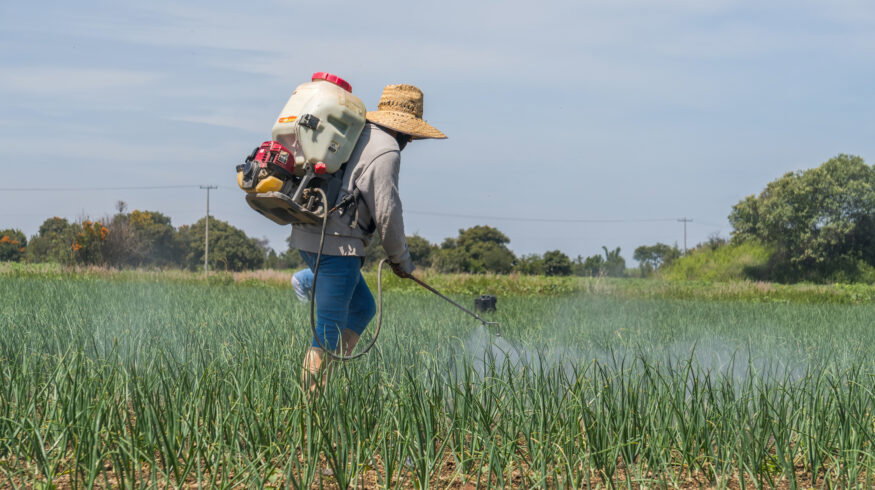
Mexican agricultural producers are urging the federal government to temporarily suspend compensatory duties on Chinese ammonium sulfate amid global supply disruptions and geopolitical tensions that are driving fertilizer prices higher. The request underscores Mexico’s reliance on imports for roughly three-quarters of its fertilizer needs and highlights the policy tension between protecting domestic producers and ensuring affordable inputs for farmers.
Producers in key farming regions, including Sinaloa, Jalisco, Michoacán, Sonora and El Bajío, are seeking alternatives to urea imports from the Middle East, where conflict has disrupted production and logistics. Ammonium sulfate from China is viewed as a substitute, but a compensatory duty of about USD 180 per ton keeps prices elevated. Industry estimates suggest that removing the tariff could reduce import costs from roughly USD 530 per ton to USD 330, easing pressure on farm margins. Global urea prices have risen sharply, climbing from about USD 472 per ton in late February to around USD 800 following the escalation of hostilities, exacerbating concerns over input affordability ahead of the spring-summer planting season.
The duties stem from anti-dumping measures imposed in 2015 after complaints from domestic producers. While Mexico has previously suspended such tariffs temporarily to curb inflation, including under the PACIC program introduced in 2022, policymakers have so far maintained them as a safeguard for the local industry. Farmers warn that without timely intervention, fertilizer shortages could reduce the output of grains, fruits, and vegetables, with knock-on effects for food prices and rural incomes.
However, tariff relief alone may not secure supply. China, a major global fertilizer exporter, is restricting shipments to protect its domestic market, with estimates suggesting that between 50% and 80% of exports are currently constrained. Analysts expect these controls to remain in place at least until late summer, limiting the availability of Chinese products even if Mexico lifts import barriers.
Mexico’s import data reflects shifting supply patterns. Total fertilizer imports reached 3.79 million tonnes in 2025, up 2.3% year-on-year, with Russia and China accounting for more than half of volumes. Imports from China more than doubled to 982,000 tonnes, while shipments from Russia declined. Oman emerged as a growing supplier, while imports from the United States fell sharply.
Efforts to boost domestic production, including the rehabilitation of state-owned plants such as Fertinal and Agronitrogenados, have yet to materially reduce dependence on imports. Industry groups say logistical inefficiencies and limited scale in government distribution programs continue to constrain supply. Analysts warn that unless procurement and delivery improve, Mexico will remain exposed to global market volatility, leaving farmers vulnerable to further price shocks.

Enjoyed this story?
Every Monday, our subscribers get their hands on a digest of the most trending agriculture news. You can join them too!





Discussion0 comments