

Pepsico and Cargill to expand regenerative agriculture across 240,000 Iowa acres

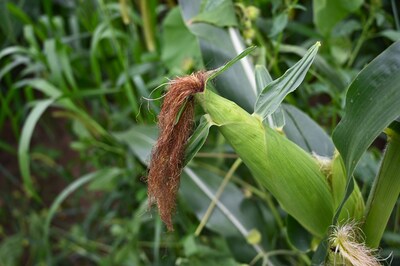
PepsiCo and Cargill have launched a strategic collaboration to implement regenerative agriculture practices across 240,000 acres of farmland in Iowa by 2030. The initiative focuses on the companies’ shared corn supply chain, where Cargill sources from local producers to supply ingredients used in some of PepsiCo’s best-known products.
The program will be implemented locally by Practical Farmers of Iowa (PFI), a nonprofit group with longstanding ties to the regional farming community. PFI will provide participating farmers with tailored agronomic guidance, financial incentives, and technical resources to support the transition to regenerative methods. These practices are aimed at improving soil health, increasing resilience to climate stress, and enhancing long-term productivity.
“This collaboration among PepsiCo, Cargill, and Practical Farmers of Iowa creates shared value and long-term sustainability that we believe will strengthen our business today and in the future,” said Jim Andrew, PepsiCo’s Chief Sustainability Officer. “By working with farmers to understand what’s best for their farms and partnering across the supply chain, we can accelerate the adoption of regenerative agriculture practices.”
The effort comes as consumer goods companies face growing investor pressure to reduce carbon footprints and secure long-term access to agricultural inputs amid climate volatility and soil degradation risks.
Iowa accounts for over 15% of US corn production. The partnership builds on past efforts by the three organizations and reflects a broader push to integrate sustainable practices in key agricultural regions. PepsiCo and Cargill each have stated goals to promote regenerative agriculture on 10 million acres globally and in North America, respectively, by the end of the decade.
Cargill’s Chief Sustainability Officer, Pilar Cruz, said the collaboration offers “a model for how we can drive meaningful impact at scale,” emphasizing the importance of measurable outcomes that begin at the farm level.
PFI will oversee farmer enrollment and be responsible for measurement, reporting, and verification. Their localized approach is designed to match practices with regional realities, crop types, and individual farm needs.
The announcement follows a trend of large agrifood companies seeking to de-risk sustainable transitions for producers while securing future supply chain resilience. The collaboration mirrors moves by other major agrifood firms—including General Mills, ADM, and Nestlé—to partner directly with farmers and nonprofits in scaling regenerative practices as part of their climate and ESG commitments.
The companies did not disclose the financial scope of the program or the specific structure of farmer incentives.


Enjoyed this story?
Every Monday, our subscribers get their hands on a digest of the most trending agriculture news. You can join them too!







Discussion0 comments