

PepsiCo and Griffith Foods launch regenerative agriculture financing model in Brazil

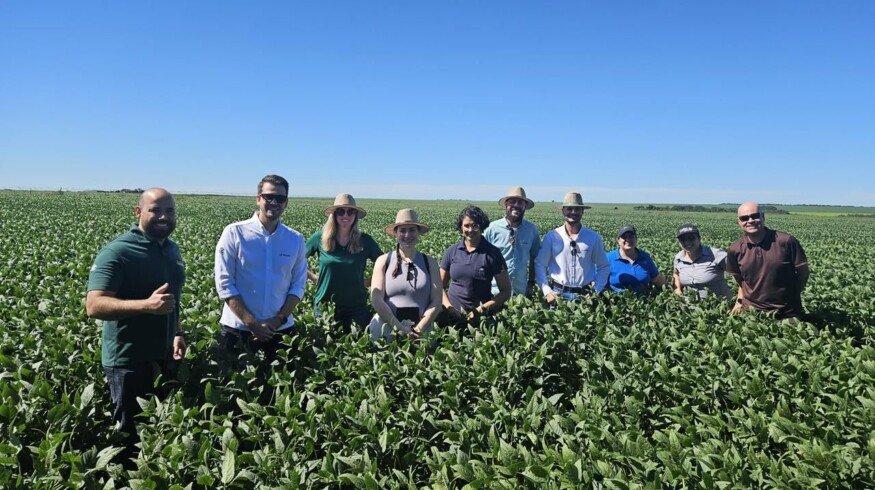

PepsiCo and Griffith Foods, in collaboration with Brazilian corn supplier Milhão, have launched a pilot program in Brazil’s Cerrado region to promote the large-scale adoption of regenerative agriculture practices. The initiative combines financial incentives with technical assistance to help corn and soybean farmers transition toward sustainable production systems.
The project, known as OURO, introduces a hybrid “Payment for Practices and Payment for Outcomes” model—directly compensating farmers both for adopting regenerative techniques and for achieving measurable reductions in greenhouse gas emissions. Farmers receive upfront payments to offset the costs of practices such as cover cropping, composting, and the use of biological inputs, followed by performance-based bonuses linked to emission reductions and improved soil health.
The pilot covers 7,000 acres (about 2,800 hectares) in Goiás, within the Cerrado—a region that produces around 60% of Brazil’s soybeans and significant volumes of corn. Over the next three years, the project aims to scale to 30,000 acres, equivalent to PepsiCo’s entire corn sourcing volume in the region, with a total planned investment of $1 million.
“This program tackles one of the biggest barriers to the adoption of regenerative agriculture: the financial risk farmers face when transitioning to new practices,” said Thais Souza, Sustainability Lead at PepsiCo Brazil. “By providing direct economic incentives, we’re helping farmers improve soil health, reduce emissions, and strengthen climate resilience.”
For Griffith Foods, the initiative is part of its broader 2030 sustainability ambitions to advance regenerative agriculture across one million acres globally by the end of the decade. “This collaboration shows how science, innovation, and shared purpose can turn ambition into impact,” said Nicholas Costa, Regional Sustainability Director for Central and South America. “By sharing costs and aligning on sustainability goals, we are proving that pre-competitive collaboration can drive systemic change in food systems.”
The program aligns with PepsiCo’s global goal to spread regenerative agricultural practices across 10 million acres by 2030, as part of its broader sustainability strategy. It also supports Griffith Foods’ efforts to build climate-resilient rural economies—complementing more than 15 regenerative projects active worldwide and a 19% reduction in the company’s operational emissions to date.
The Cerrado region, one of the world’s most biodiverse savannas, faces rising threats from deforestation, soil degradation, and climate variability. The OURO initiative is designed to address these risks by restoring soil health and enhancing farmer profitability, offering a potential model for replication in other agricultural frontiers.
Both companies view OURO as an example of how shared value partnerships can accelerate the regenerative transition. The initiative also builds on PepsiCo’s Climate Resilience Platform, an open-access tool that helps agricultural stakeholders adapt to climate change and plan sustainable sourcing strategies.
With the OURO program, PepsiCo and Griffith Foods aim to demonstrate that business-led collaboration—supported by financing, science, and farmer engagement—can play a decisive role in restoring ecosystems while securing long-term agricultural productivity.

Enjoyed this story?
Every Monday, our subscribers get their hands on a digest of the most trending agriculture news. You can join them too!




Discussion0 comments