

Bayer seeks new herbicide approval in US, Canada, Brazil and EU

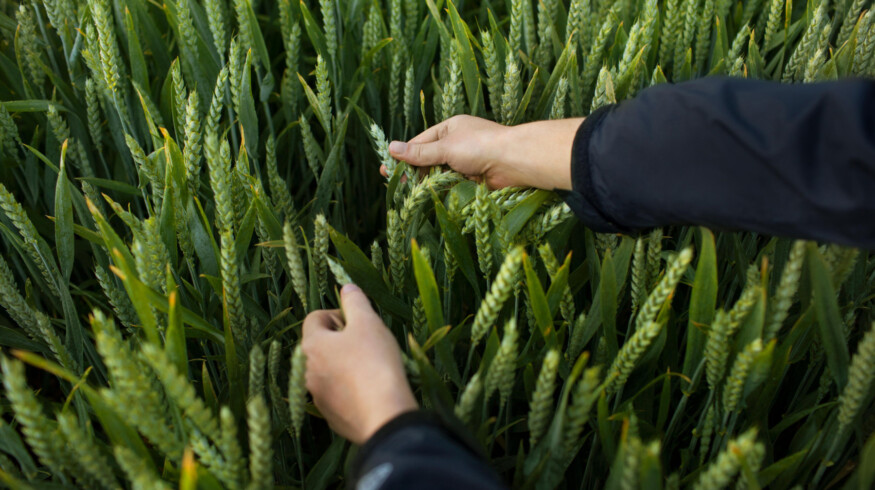
Bayer has submitted regulatory applications for its novel herbicide, icafolin-methyl, in the European Union, following earlier filings in Brazil, the United States and Canada. The compound represents the first new mode of action for post-emergent weed control in more than 30 years and is expected to play a central role in the company’s crop protection pipeline.
Icafolin-methyl, developed under Bayer’s CropKey R&D platform, is designed to address increasing herbicide resistance by targeting weeds with a novel biochemical pathway. According to the company, the compound enables more targeted applications at lower dose rates and meets regulatory criteria for reduced-risk submissions in several markets. Bayer estimates peak annual sales potential at €750 million (roughly $830 million), with initial availability projected in Brazil beginning in 2028.
The herbicide is being developed for a wide range of broadacre and specialty crops, including soybeans, cereals, pulses, oilseeds, grapes, citrus, tree nuts and stone fruits. Bayer says the product not only complements existing herbicides such as glyphosate, but also supports regenerative farming practices by reducing tillage and improving soil health.
“Weeds threaten food security and farmer livelihoods, which is why investing in game-changing innovations like icafolin is so vitally important,” said Mike Graham, head of R&D for Bayer’s Crop Science division. “Access to an entirely new herbicide class not only helps farmers combat weed resistance, but also supports no-till and reduced-till systems.”
Icafolin’s mode of action causes treated weeds to stop competing for nutrients and sunlight while retaining their structural form, leaving a mulch-like residue that can aid moisture retention and erosion control. Bayer highlights this attribute as an enabler of soil conservation strategies, especially in water-constrained regions.
The development of icafolin-methyl also marks the first commercial deployment of Bayer’s CropKey platform, which integrates artificial intelligence into molecule design. “With CropKey, we’re not just responding to current agricultural challenges more quickly, we’re being proactive and anticipating future needs,” said Rachel Rama, senior vice president and head of small molecules at Bayer Crop Science.
CropKey is central to Bayer’s broader digital transformation strategy in R&D, allowing the company to shift from traditional compound screening toward targeted molecule engineering based on desired efficacy and safety profiles. The system is also expected to reduce time-to-market for future crop protection products.
Bayer credits its new operating model, Dynamic Shared Ownership (DSO), for accelerating the icafolin submission timeline. After Brazil, additional launches are expected in North America, the European Union and other regions, subject to regulatory approvals.
The company reported sales of €46.6 billion (about $53 billion) in fiscal 2024 and invested €6.2 billion (roughly $7.1 billion) in R&D across its health and agriculture businesses.

Enjoyed this story?
Every Monday, our subscribers get their hands on a digest of the most trending agriculture news. You can join them too!






Discussion0 comments