

USDA drops environmental review requirement for genetically engineered seeds

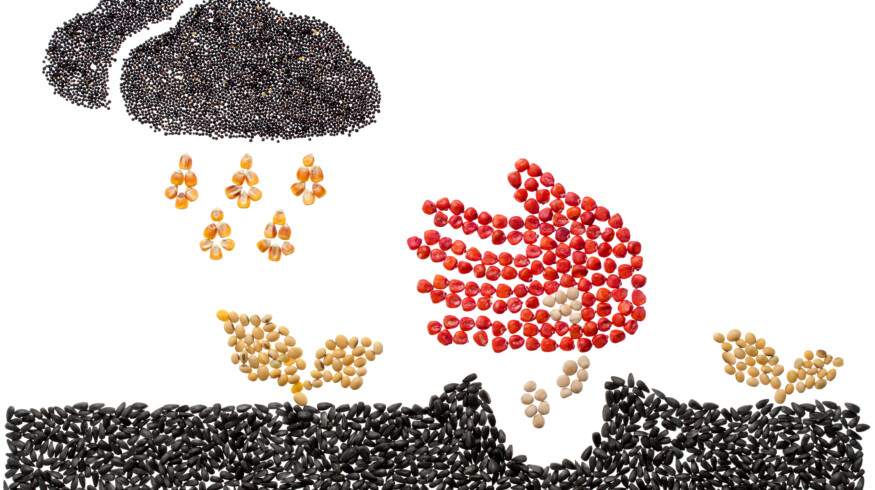
The US Department of Agriculture’s Animal and Plant Health Inspection Service (APHIS) has announced it will no longer conduct National Environmental Policy Act (NEPA) reviews when evaluating petitions for genetically engineered (GE) organisms seeking nonregulated status. The shift follows recent legal and legislative developments affirming that agencies are not obligated to assess environmental impacts when they lack statutory discretion to act on such considerations.
Under current federal rules (7 C.F.R. Part 340), APHIS determines whether a GE organism poses a greater plant pest risk than a conventional comparator. If it does not, the agency must deregulate the organism, removing it from oversight under plant pest regulations. Historically, APHIS also prepared environmental assessments or impact statements under NEPA as part of the review process. That practice is now ending.
Citing amendments to NEPA introduced through the 2023 Fiscal Responsibility Act, as well as a 2025 US Supreme Court ruling (Seven County Infrastructure Coalition v. Eagle County), APHIS said it no longer has the legal basis to consider environmental impacts in these cases. Once a GE organism is found not to be a plant pest, APHIS no longer retains jurisdiction over it and cannot impose further regulatory conditions.
The decision may streamline the path to market for developers of GE seeds and traits, removing a procedural step that in some cases added months or years to approvals. Industry stakeholders may welcome the clarity and reduced regulatory burden, while environmental advocacy groups are expected to challenge the rollback, warning it could limit public oversight of novel biotech products with ecosystem-level impacts.
APHIS emphasized that scientific and factual data will continue to underpin its regulatory decisions. Draft determinations will still be published in the Federal Register for public comment before final approval.
While the rule change applies only to the US, its effects may resonate globally. Faster access to deregulated GE seeds in the US could influence seed development timelines, regulatory strategies, and trade considerations for agri-biotech firms and policymakers abroad.

Enjoyed this story?
Every Monday, our subscribers get their hands on a digest of the most trending agriculture news. You can join them too!





Discussion0 comments