

EU launches €4.9 million pesticide-alternative project with UK’s James Hutton Institute on board

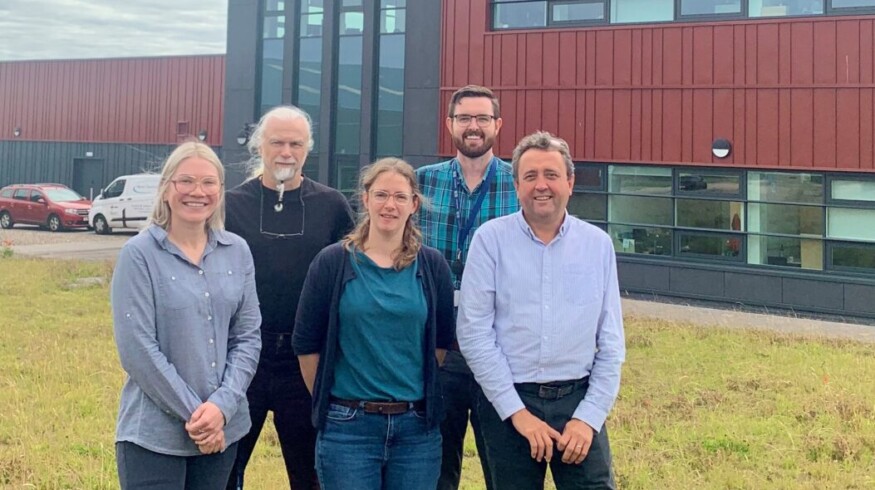
The James Hutton Institute has joined a €4.9 million (approximately $5.3 billion USD) EU-backed project aimed at developing sustainable, bio-based alternatives to conventional pesticides, as the agricultural sector grapples with rising pest pressures and tighter regulatory controls on chemical inputs.
Funded by the Circular Bio-based Europe Joint Undertaking (CBE JU), the four-year CROPSAFE initiative is led by the University of Alicante and involves research and technology partners across Europe. The project seeks to develop a new generation of biopesticides for use on potatoes, tomatoes and bananas—three crops facing increasing threats from nematodes and weevils as legacy pesticides are phased out across the EU.
Hutton scientists will lead testing on potato cyst nematode (PCN) control in the UK, where the most effective chemical, Fosthiazate, is slated for withdrawal in 2027. Complementary trials on tomato and banana will be conducted in Spain and Italy, targeting root knot nematode and banana weevils, respectively.
“Managing unsustainable pathogen pressures using bio-based alternatives to classic pesticides is becoming increasingly urgent,” said Dr. James Price, a plant nematologist at the Hutton and leader of one of CROPSAFE’s ten technical work packages. “By combining lab research with greenhouse and field trials using scalable products, this project goes beyond theory to deliver real-world solutions.”
According to the FAO, pests and diseases are responsible for around 40% of global crop losses each year. While conventional pesticides have played a key role in food security, their environmental impact—including soil degradation, bioaccumulation in non-target species and water pollution—has led to tighter EU regulation. Many widely used compounds are now labelled as Substances of Very High Concern (SVHC) or are on track for removal under the EU’s Farm to Fork strategy.
Despite the policy shift, biopesticide development has lagged. Bio-based products currently make up only 5% of the global pesticide market by value. CROPSAFE aims to fill this gap by delivering cost-effective, environmentally safe tools with the potential to raise yields by up to 20% and reduce crop protection emissions by as much as 75%.
The project will draw on renewable biomass such as algae, spent coffee grounds and forestry residues to produce Safe-and-Sustainable-by-Design (SSbD) biopesticides. Industrial biorefineries will refine these materials into active ingredients, while CROPSAFE partners will also develop delivery systems and digital decision-support models to enable targeted, real-time pest management.
“This kind of joined-up approach reflects where the field is heading, especially as policy continues to drive change,” said Dr. Lorena Rangel, a plant pathologist at the Hutton. “Embracing sustainable and circular economy solutions is not just forward-thinking—it’s becoming essential.”
The James Hutton Institute will play a key role in evaluating CROPSAFE solutions under UK growing conditions, with findings to be disseminated through stakeholder events and integrated into farm-level tools designed to support long-term adoption.

Enjoyed this story?
Every Monday, our subscribers get their hands on a digest of the most trending agriculture news. You can join them too!





Discussion0 comments