

Minnesota farmers face rising debt and seek state intervention amid trade tensions

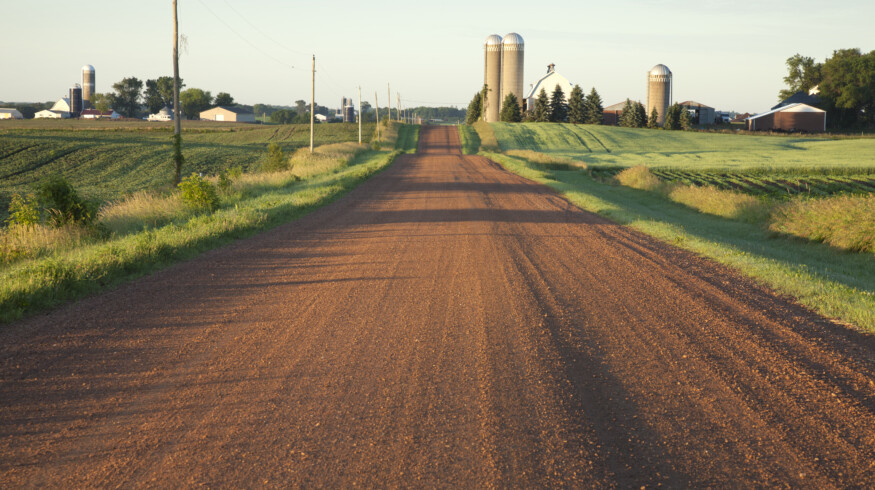
Minnesota farmers are seeking increased state support as low commodity prices, trade disputes and rising costs push many toward financial distress, with mediation requests at their highest midsummer levels in nearly a decade. University of Minnesota Extension data show that 306 farmers filed for assistance through the state’s Farmer-Lender Mediation program in July, quadruple the number from the same month last year. The program, established in the 1980s farm crisis, offers a “cooling-off period” to negotiate repayment terms and avert foreclosure.
Extension officials attribute the surge to sustained weakness in corn and soybean markets, exacerbated by U.S. trade policy and competition from Brazil and Argentina. Soybeans, Minnesota’s top export worth more than $4 billion annually, are trading below $10 per bushel, down from over $12 in spring 2024. Corn prices remain just above $4 per bushel despite expectations for a bumper crop.
Producers say the downturn has forced difficult decisions. Some are considering selling land or equipment, while others have reduced hiring and delayed machinery purchases. “If you lose money today, you’re going to lose a lot more, a lot faster,” said Sam Ziegler, director of GreenSeam, a southern Minnesota agricultural initiative.
Trade tensions have further unsettled the market. Analysts note that retaliatory tariffs imposed under President Donald Trump’s administration have hindered recovery in export demand, while lawmakers from both parties acknowledge that lost overseas markets may not return.
Sen. Amy Klobuchar, the senior Democrat on the Senate Agriculture Committee, warned that tariffs drive away buyers “and those export markets don’t come back.” Republican Rep. Brad Finstad, a farmer and supporter of Trump’s trade approach, countered that U.S. agriculture must diversify its customer base.
In addition to market pressures, farmers face higher costs for seed, fertilizer, land rental, insurance and healthcare, as well as rising expenses tied to farm digitalization and cybersecurity. Weather events, including heavy rains in June, have added to the strain.
Industry participants say the financial stress is already visible in reduced capital spending and lower equipment sales. “It’s definitely affected us,” said Paul Link, sales director at equipment maker Vaderstad, citing weaker demand over the past year.
While federal disaster aid provided short-term relief last year, there is little consensus on when a broader recovery might occur. For now, many Minnesota farmers are relying on mediation, cost-cutting and optimism to keep their operations viable into 2026.

Enjoyed this story?
Every Monday, our subscribers get their hands on a digest of the most trending agriculture news. You can join them too!



Discussion0 comments