

From homestead to income: How small-scale farmers can discover new revenue streams

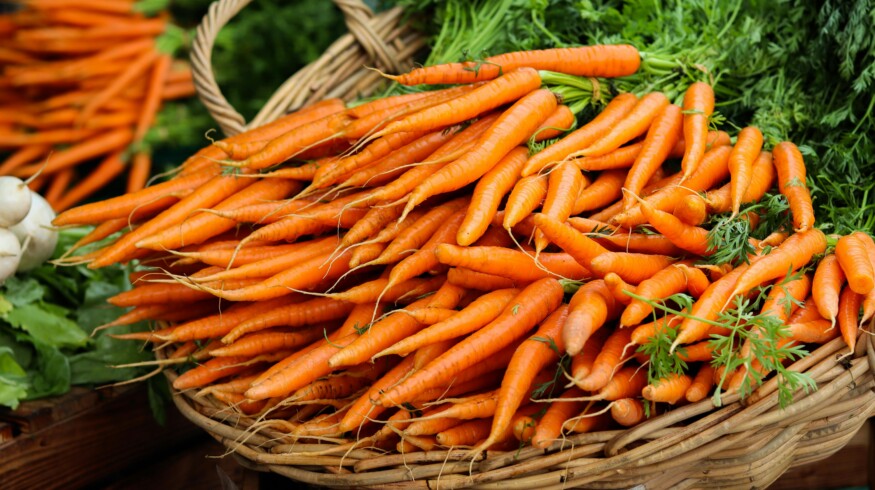
For many modern homesteaders, the dream begins with self-reliance—a garden, a few animals, maybe a well-pump and a sourdough starter. But what starts as a return to simplicity often matures into a question: Could this lifestyle pay for itself? The answer is yes, but not through one-size-fits-all tactics. Monetizing a hobby farm means learning to read the land and the market. It’s a blend of creative adaptation, logistical savvy, and, sometimes, a touch of bold experimentation. If you’ve got tomatoes, goats, or just grit—there’s a path forward.
Elevating Raw Goods into Retail Staples
Every harvest holds more than what’s visible at first glance. By choosing to turn produce into higher-margin goods, homesteaders can shift from commodity pricing to boutique value. A bushel of berries isn’t just fruit—it’s jam, syrup, dried snacks, or soap coloring. Processed products stand out in markets oversaturated with raw ingredients. When buyers see effort, uniqueness, and shelf stability, they’re willing to pay more. This isn’t about scaling—it’s about seeing beyond the crate.
Adding Strategy Without Leaving the Soil
Some homesteaders hit a wall—not in growing, but in scaling. That’s when they decide to pursue an online business degree, adding structure to passion. From inventory flow to cost forecasting, formal education sharpens instincts into frameworks. It’s not about turning your farm into a Fortune 500 company. It’s about avoiding the costly mistakes most make once money’s involved. The best part? Courses happen around your chore schedule, not instead of it. You learn without leaving the field behind.
Building Local Loyalty Through On-Site Sales
The closest customer might be your neighbor—or someone who’s willing to drive for freshness. Learning to sell from your farm gives you back control and margin while deepening your ties to the surrounding community. A well-timed roadside stand or a U-pick operation turns casual interest into weekend ritual. Visitors become supporters, and the act of buying becomes an experience. Plus, without brokers or delivery logistics, you can pivot prices and offerings in real time. What starts with eggs and kale might turn into full-blown farm days or harvest events.
Streamlining Admin for Market Legitimacy
Selling at markets or applying for grants isn’t just about showing up—it’s about showing documentation. That’s why many farmers now convert to PDF format to store receipts, inventory logs, and regulatory forms in ways that survive mud, rain, and time. A searchable archive beats a damp folder in the truck bed any day. And when your operation grows, you’ll already be organized. It’s not glamorous—but neither is losing track of your EIN or sales history. Digital backups mean fewer headaches and faster growth.
Scaling Smarter Through Cooperative Systems
Going it alone sounds noble—until you’ve packed ten orders and still have fencing to fix. That’s where initiatives like shared infrastructure reducing the workload for farmers become game-changers. Food hubs allow multiple small-scale growers to combine harvests, streamline packaging, and distribute under a unified system. It’s not dilution—it’s leverage. You keep your identity, but gain access to markets you couldn’t reach alone. Even more, it takes the pressure off mastering every role, so you can return to what drew you to farming in the first place.
Locking in Predictability with Member-Based Sales
Before the first seed goes into soil, some homesteaders already have a season’s income accounted for. That’s the brilliance behind Community Supported Agriculture—members commit, and you deliver. It’s not just food—it’s trust, loyalty, and rhythm. Weekly shares move produce quickly, encourage diverse planting, and eliminate waste caused by uncertain demand. Customers feel invested, farmers feel seen. The result? Less hustle, more focus, and a business model that renews itself as naturally as the seasons.
Finding Revenue in What’s Left Behind
The stuff you used to throw away may be your next product line. Many producers now use every part of what your land produces, turning excess fruit into cider, herb stems into fire-starters, and ugly vegetables into fermented goods. Waste isn’t waste when someone’s willing to pay for it. The key is context—what doesn’t sell raw might become a premium item with a label and a story. This is more than frugality—it’s efficiency, creativity, and ecological business rolled into one. Think less landfill, more cash drawer.
Monetizing a hobby farm doesn’t mean turning it into a factory. It means noticing where the income is already hiding—in your surplus, your community, your unused skills. Each strategy in this list invites not reinvention, but refinement. Do what you do, but with a little more intention and a little more infrastructure. From preserved goods to digital records, from CSA boxes to food hubs, this is about stacking small decisions toward a more sustainable whole. The farm stays yours—the money just starts showing up too.
—
Stay ahead in the world of agribusiness with Fertilizer Daily – your go-to source for the latest news, expert interviews, and insights that empower you to make informed decisions in agriculture.

Enjoyed this story?
Every Monday, our subscribers get their hands on a digest of the most trending agriculture news. You can join them too!





Discussion0 comments