

Teagasc advises Irish farmers on autumn fertilizer use under new phosphorus regulations


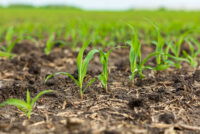
Phosphorus and potassium applications in autumn play a crucial role in establishing high-yielding winter cereal crops, according to Teagasc Crops Specialist Ciaran Collins. While nitrogen dominates fertilizer programs in spring, phosphorus (P) and potassium (K) are vital for rooting, tillering, and stress tolerance during the early stages of crop development.
Collins noted that a well-supplied crop in autumn can make better use of nitrogen later in the season. Phosphorus supports root development and tiller formation, while potassium strengthens straw, reduces lodging risk, and improves disease resistance and winter hardiness.
Teagasc advises that all nutrient decisions begin with a current soil test, valid for up to four years from September 15 before sampling. The results guide fertilizer use and help farmers target inputs efficiently.
A new administrative rule under Statutory Instrument 42 of 2025 introduces geo-referencing requirements for soil analyses from September 14, 2025. Each soil sample report must include GPS coordinates or a Land Parcel Identification System (LPIS) number corresponding to the sampled land. Missing this information will automatically classify the parcel as Phosphorus Index 4.
The LPIS number, found on BISS maps, must be current, and each parcel represented by a sample must be clearly identified in reports.
For nutrient management, Teagasc recommends omitting autumn phosphorus and potassium applications on Index 3 soils, which typically have adequate reserves. On Index 1 or 2 soils, nutrients should be applied at sowing and incorporated into the seedbed using products such as 0-10-20 or 0-7-30. Applications of phosphorus must be completed by October 31.
On heavier, potassium-fixing soils, splitting potassium applications between autumn and spring can improve nutrient availability and reduce losses.
Teagasc also reminded farmers to ensure compliance with the EU Nitrates Directive, which limits nutrient applications based on soil test results and crop requirements. Phosphorus applications are only allowed until the end of October, and all spreading must remain within farm nutrient management plan allowances.

Enjoyed this story?
Every Monday, our subscribers get their hands on a digest of the most trending agriculture news. You can join them too!




Discussion0 comments