
Gardeners turn to cover crops this fall to restore soil health


As autumn temperatures drop and vegetable gardens enter dormancy, horticultural experts are encouraging home gardeners to resist the urge to simply till and forget their plots until spring. Instead, they’re advocating for the strategic use of cover crops—a practice that can dramatically improve soil health while gardens lie fallow.
The approach involves planting specific crops between late August and early October that won’t be harvested but will instead be tilled back into the soil come spring, adding vital organic matter and nutrients. These cover crops offer multiple benefits: they restore depleted nutrients, prevent soil erosion, and create a natural barrier against invasive weeds that might otherwise colonize empty garden beds over winter.
“The goal is not to harvest them,” gardening specialists explain. “These crops get tilled into the garden in the spring, building better soil that would otherwise sit empty and unprotected.”
Choosing the right cover crop

Gardeners face a variety of options, from cereal grains like winter wheat and barley to legumes such as crimson clover and field peas. The choice depends largely on USDA Hardiness Zone, desired planting timeline, and whether gardeners prefer crops that die naturally over winter or survive until spring tilling.
Winter-killed varieties prove ideal for gardeners planning early spring planting, while overwintering crops accommodate those who need extra time to clear late-harvest plants like tomatoes from their beds.
Among the most popular choices, winter rye stands out for its hardiness, germinating in soil temperatures as low as 34 degrees Fahrenheit and accepting later fall planting than many alternatives. Winter wheat offers cost-effectiveness and excellent weed suppression, particularly in raised beds.
Nitrogen fixation and soil structure
Legume cover crops have gained particular attention for their nitrogen-fixing capabilities. Berseem clover, an annual variety that dies off naturally over winter, grows quickly when planted in early fall and helps renew soil by spring. Field peas—available in yellow, speckled, and Austrian winter varieties—provide an affordable nitrogen boost while spreading 2 to 4 feet across garden beds.
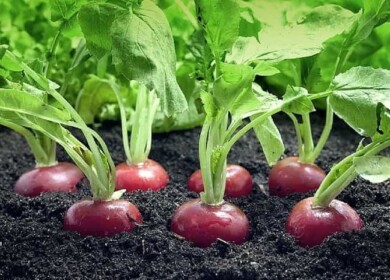
For gardeners battling soil compaction, brassica options like oilseed radish and forage turnips develop large taproots that naturally loosen packed earth. Oilseed radish demonstrates particularly rapid growth rates, though it should be avoided if spring plans include planting broccoli, cabbage, or other brassica vegetables.
Budget-friendly options

Cost considerations matter for gardeners managing large plots. Oats emerge as an inexpensive option with fibrous root systems that build soil structure and prevent erosion, though they require earlier fall planting than hardier cereals. Pairing oats with legumes like peas or clover compensates for their limited nitrogen contribution.
Barley presents another economical choice, germinating in soil temperatures between 35 and 38 degrees Fahrenheit when planted by mid-October. Despite being less hardy than rye, barley reliably prevents erosion and suppresses weeds through winter.
Special properties and cautions
Some cover crops offer unique benefits beyond basic soil improvement. Mustard greens produce natural herbicides that suppress both weeds and harmful soil-borne diseases, even controlling nematode populations. However, gardeners must prevent mustard from setting seed to avoid its weedy tendencies.
Red clover excels at preventing soil compaction while requiring minimal water, making it suitable for drier climates. The overwintering legume allows for later fall planting and should be tilled before flowering to maximize its contribution of organic matter.

Crimson clover provides similar nitrogen fixation benefits to the commonly used hairy vetch but without the associated management challenges, offering faster growth rates and better compaction reduction.
Timing remains critical
Success with fall cover crops hinges on proper timing and understanding minimum soil temperatures for germination, which range from 34 degrees Fahrenheit for winter rye to 45 degrees for forage turnips. Most experts recommend planting between late August and early October, adjusting for local climate conditions and specific crop requirements.
As winter approaches, forward-thinking gardeners are discovering that a few hours of fall planting can translate into significantly healthier, more productive soil when spring gardening season arrives.


Discussion0 comments