

Chemical balance proves crucial to healthy soil systems

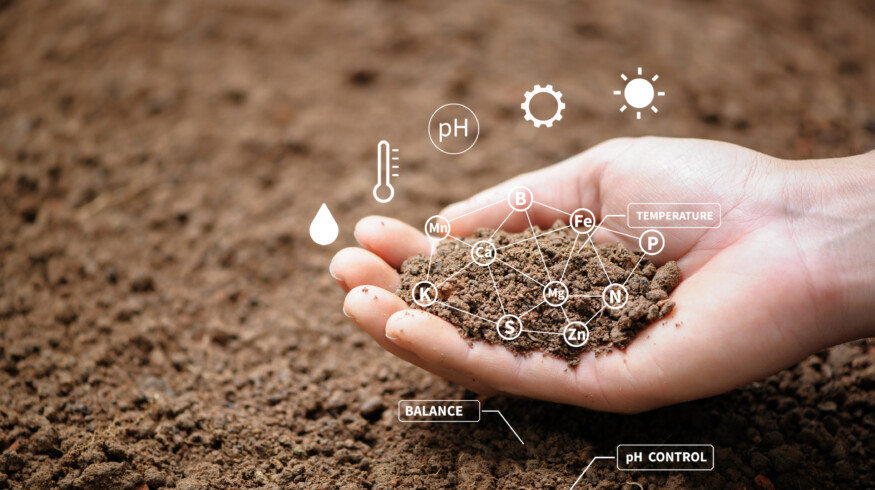
A growing number of soil scientists are emphasizing that soil health depends not only on biological activity but also on the chemical and physical characteristics that sustain a functioning system.
According to Patrick Freeze of Ward Laboratories, “Soil health is a broad term and can be defined differently by people with different backgrounds. An agronomist might associate soil health with productivity, while an environmental protection professional might only be concerned with contaminants such as heavy metals.”
While recent discussions have focused on soil biology, Freeze and other specialists are drawing attention to the chemical factors that underpin fertility and productivity. Soil color, salt residue, and plant nutrient deficiency symptoms can all provide field-level clues about chemical balance. Darker soil generally indicates higher levels of organic matter, while visible salt deposits may point to compaction or drainage issues.
Laboratory analysis remains essential for a deeper understanding of soil chemistry. Freeze identifies three key indicators: carbon, pH, and nitrate levels.
Carbon, often measured as soil organic matter, plays a central role in nutrient cycling, soil structure, microbial activity, and water infiltration. Both the Soil Health Institute and the U.S. Natural Resources Conservation Service consider organic carbon concentration a top parameter for assessing soil health across North America.
Soil pH, which Freeze calls the “master variable,” can determine productivity regardless of nutrient concentrations. Acidic soils restrict nutrient uptake and inhibit microbial activity. Nitrate levels, meanwhile, signal nutrient cycling and plant availability, with higher readings typically linked to greater biological and chemical activity.
Experts suggest combining field observations with laboratory data to gain a full picture of soil condition. Integrating chemical assessments with biological and physical measurements helps farmers identify imbalances and improve management strategies for long-term productivity.

Enjoyed this story?
Every Monday, our subscribers get their hands on a digest of the most trending agriculture news. You can join them too!






Discussion0 comments