

Sollum Technologies highlights yield gains from dynamic LED lighting

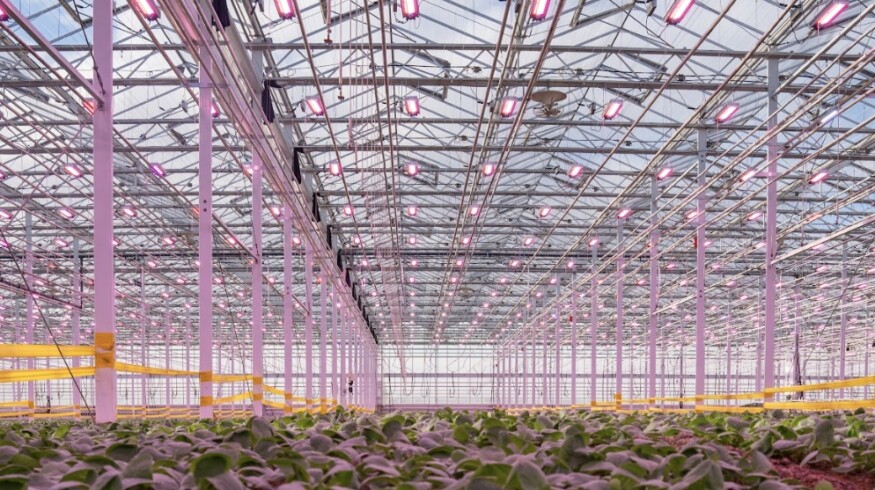
Sollum Technologies is promoting new data from North American greenhouse operations showing that dynamic LED lighting strategies can raise yields, improve crop quality and reduce energy use compared with static LED systems.
The company’s latest blog post argues that while fixed-spectrum LEDs were an improvement over high-pressure sodium fixtures, they restrict growers to preset light recipes that cannot adjust to changing weather conditions, crop stages or cultivar requirements. Sollum’s platform — delivered through its SUN as a Service (SUNaaS) software — allows real-time control of spectrum, intensity and timing on a zone-by-zone basis to maintain target daily light integral and align lighting with crop demand.
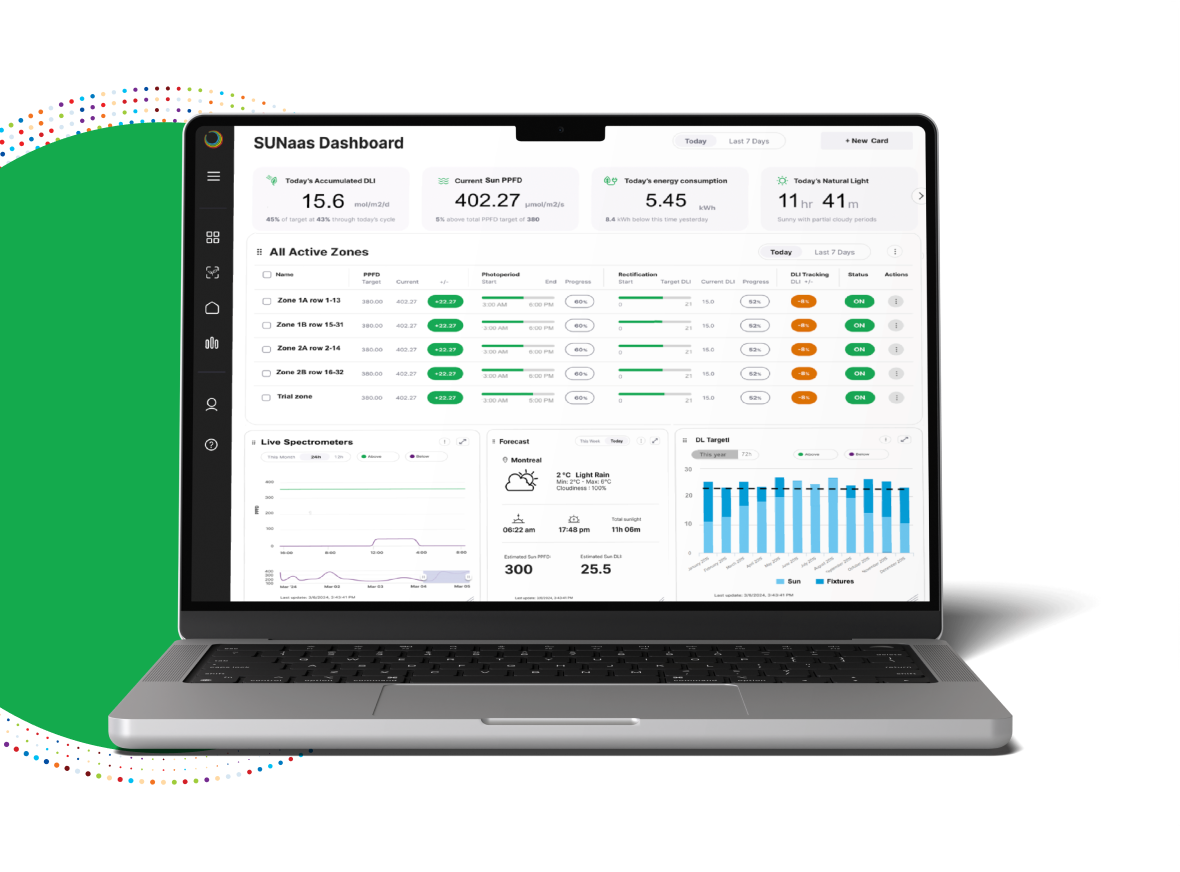
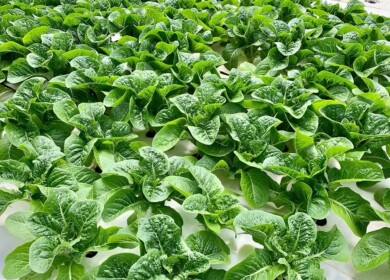
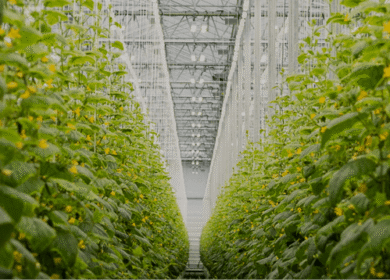
According to results cited by the company, adaptive spectrum strategies delivered a 19.5% increase in tomato yields compared with static LEDs, and mini cucumber yields rose 16.7% after switching from fixed-spectrum systems. Trials also showed consistent winter pepper production under dynamic lighting in Canada and improvements in appearance and texture for leafy greens.
Sollum reports energy savings of up to 40% when comparing LED installations with HPS systems, with additional efficiency gains — up to 16.8% — achieved through real-time optimization against standard LED fixtures.
The company outlines a staged implementation process involving assessment, zoning, commissioning on SUNaaS and proof-of-value monitoring using shared indicators such as yield, lighting accuracy and energy cost per kilogram. The platform integrates with existing climate control systems and supports unlimited zones and customizable light recipes.

Enjoyed this story?
Every Monday, our subscribers get their hands on a digest of the most trending agriculture news. You can join them too!



Discussion0 comments