

Alberta Grains commits $600,000 to support barley breeding in western Canada

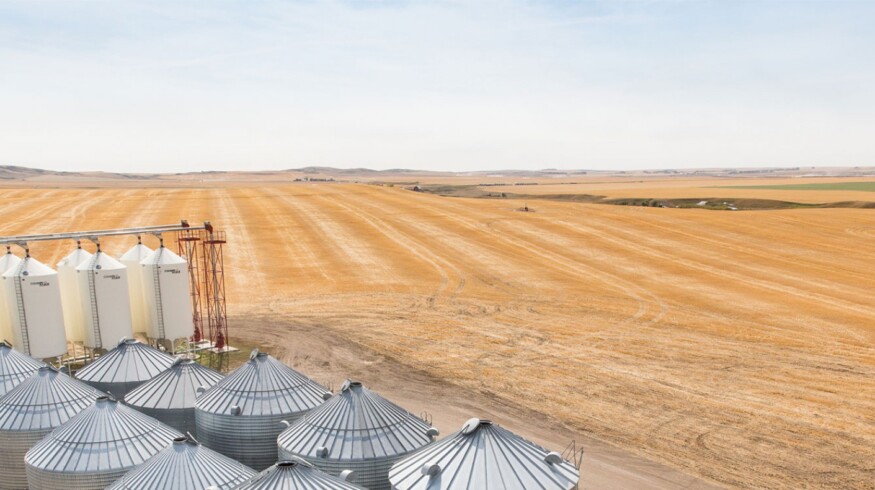
Alberta Grains will provide $600,000 over three years to Western Crop Innovations (WCI) to support feed barley breeding in Alberta, signaling a growing role for industry funding in a field long dominated by public institutions.
The money, announced at Alberta Grains’ regional meeting in Lacombe, will be disbursed at $200,000 per year. It will fund one breeder position and one senior technician at WCI, a not-for-profit research organization that recently moved out of the public sector.
Canada’s cereal breeding landscape is changing. Agriculture and Agri-Food Canada is pulling back from variety development to focus on pre-breeding, and the Canadian Food Inspection Agency is pushing ahead with its Seed Regulatory Modernization framework. Farmers and industry groups are pressing the federal government to maintain support for agriculture amid budget pressures.
WCI, formerly the Field Crop Development Centre, began its transition to a not-for-profit model in April 2024. It now relies on a mix of public and private funding and partnerships with post-secondary research institutions.
Kevin Bender, WCI board chair, said the organization is experimenting with funding approaches not typically seen in Canadian plant breeding. “One hurdle was finding sustainable ways to fund salaries for senior research roles,” he said. “Industry-backed chair agreements help us fill that gap.”
Scott Jespersen, board chair of Alberta Grains, described the funding as a way to keep barley breeding programs responsive to farmer needs. “It ensures producers continue to benefit from genetics and research that address agronomic challenges,” he said.
WCI focuses on feed and forage barley and triticale adapted to Western Canadian conditions. Its operations include a central 400-acre research facility and roughly 40,000 test plots across Alberta.
Observers say arrangements like this could become more common if public funding continues to retreat. WCI executives hope the model proves sustainable and could be adopted by other breeding institutions, reshaping how new varieties are developed in Canada.

Enjoyed this story?
Every Monday, our subscribers get their hands on a digest of the most trending agriculture news. You can join them too!







Discussion0 comments