

Cognitive Pilot introduces neural network training technology to improve agricultural autopilot safety

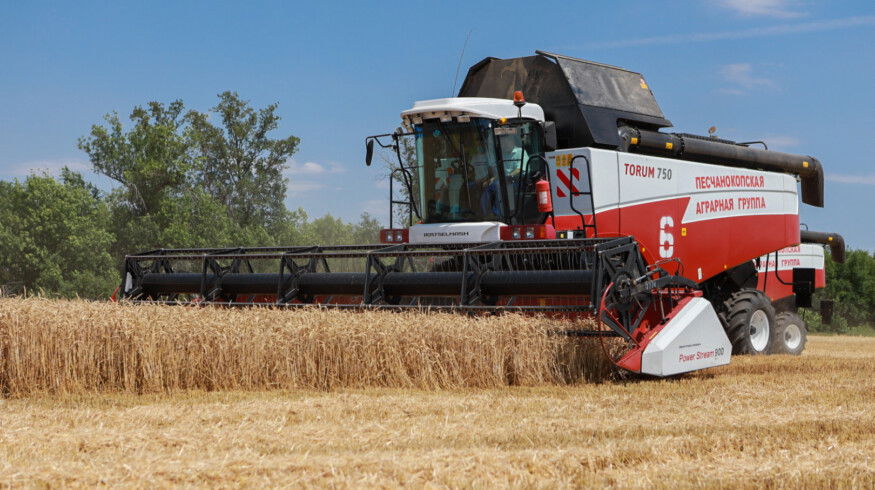
Cognitive Pilot has introduced a new neural network training technology designed to address a longstanding challenge in agricultural autonomy: the mismatch between how humans and artificial intelligence perceive the same driving scene. The company states that the development could significantly enhance the accuracy and safety of autopilot systems employed in unmanned farm machinery.
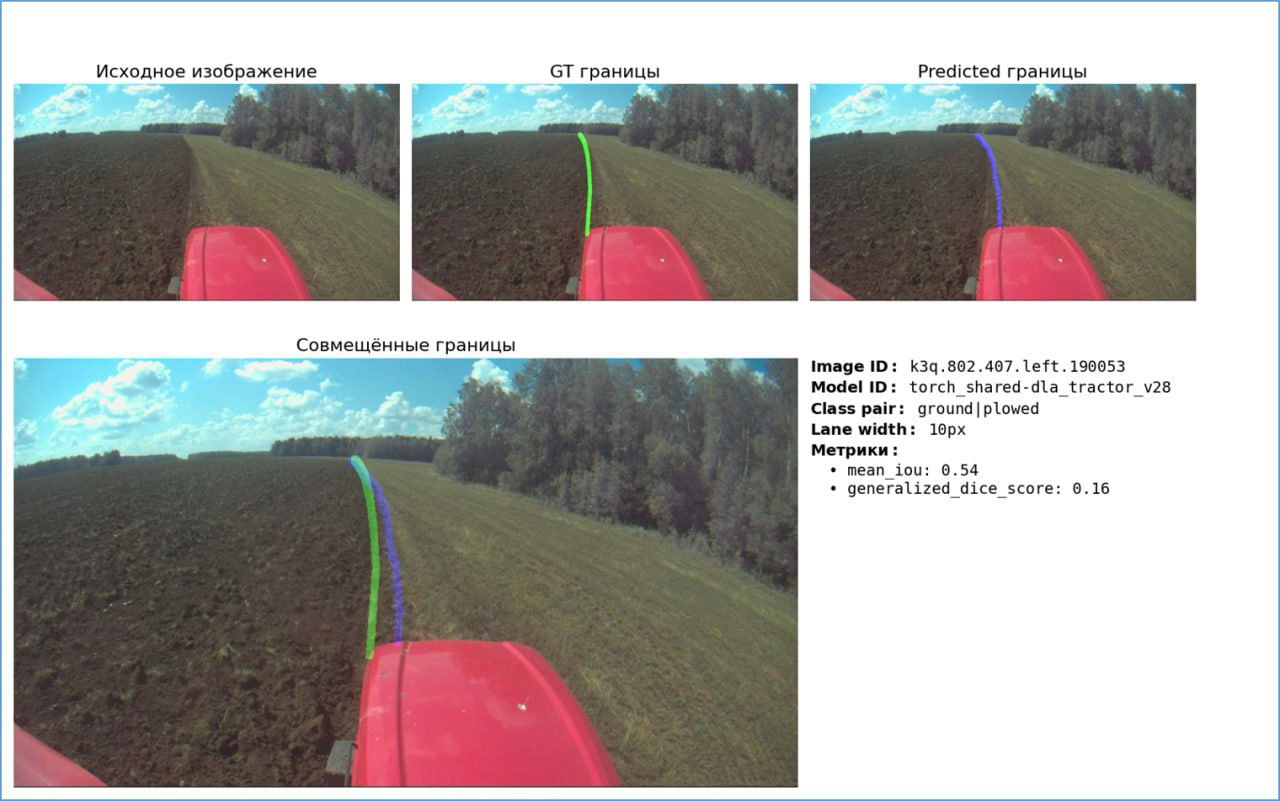
The technology, known as Cognitive Divergence Correction, focuses on identifying and measuring discrepancies between human judgment and neural network interpretation in difficult operating environments, such as muddy fields, uneven terrain, or variable lighting.
What happened?
- Cognitive Pilot developed Cognitive Divergence Correction to detect and quantify differences between human and neural network scene perception.
- The system targets scenarios where computer vision struggles, including obscured field boundaries, shadows, snow, rain, and distorted visual markers.
- A divergence analyzer automatically identifies scene features humans intuitively use to determine vehicle trajectory.
- Inconsistent training data frames are isolated for further review, while consistent frames remain in the training dataset.
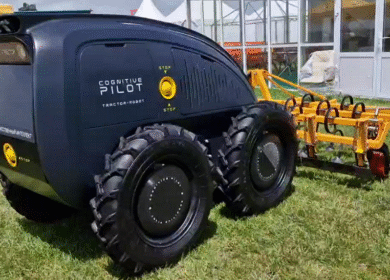
- The technology has been integrated into autopilot systems installed on autonomous tractors since late spring 2025.
Company saying
“Even with high detection accuracy, the network may misinterpret the context,” said Gennady Savitsky, lead developer at Cognitive Pilot. He added that without addressing divergence between human and machine perception, errors can accumulate during training, reducing control accuracy and safety. “As a result, data consistency is increased, and consequently, the quality of training and the safety of autonomous control systems are improved,” Savitsky said.
Why is this important?
- Misalignment between human judgment and AI perception can lead to navigation errors and false positives in autonomous machinery.
- Improving data consistency during training is critical for safe operation in complex agricultural environments.
- Higher control accuracy is essential for precision farming and the broader adoption of fully autonomous, operator-free tractors.
- The technology could help set new benchmarks for safety in agricultural and other autonomous transport systems.

Enjoyed this story?
Every Monday, our subscribers get their hands on a digest of the most trending agriculture news. You can join them too!





Discussion0 comments