

Researchers say rising CO₂ levels make food more caloric but less nutritious

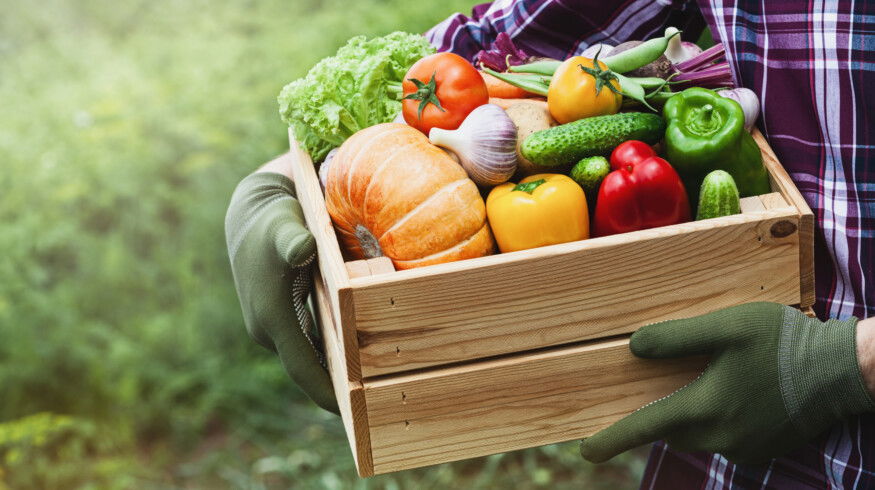
Higher levels of carbon dioxide in the atmosphere are increasing crop yields while reducing the nutritional value of food, according to new research from Leiden University in the Netherlands. The findings suggest that future diets could provide sufficient calories but fewer essential nutrients, with potential consequences for public health.
The study, led by Sterre ter Haar, a lecturer at Leiden University, analyzed tens of thousands of measurements from earlier experiments to assess how rising CO₂ concentrations affect plant composition. The results indicate broad declines in key nutrients such as zinc, iron, and protein across many staple crops, alongside increases in harmful elements such as lead.
What happened?
- Researchers developed a method to compare nearly 60,000 measurements across 32 nutrients and 43 crops, including rice, wheat, potatoes, and tomatoes.
- The analysis used a baseline CO₂ concentration of 350 parts per million, often cited as the last “safe” level, and compared it with 550 parts per million, which some projections suggest could be reached by around 2065.
- Most nutrients declined as CO₂ levels increased, with an average reduction of 3.2% across crops.
- Zinc levels in chickpeas were projected to fall by up to 37.5%, while significant declines in protein, zinc, and iron were observed in rice and wheat.
- The study found that current atmospheric CO₂ levels, now at about 425 parts per million, have already contributed to reduced plant nutrition.
Why is this important?
- Lower nutrient density raises the risk of “hidden hunger,” where people consume enough calories but lack essential vitamins and minerals.
- Staple crops that underpin global diets are among those most affected, increasing risks for vulnerable populations.
- The findings challenge assumptions that higher crop yields alone will ensure future food security.
- Researchers say the results underscore the need to reconsider agricultural practices, crop breeding strategies, and dietary planning under climate change.
- The study adds to evidence that climate change is already affecting food quality, not just future production.
Other scientists welcomed the research while cautioning that factors such as fertilizer use and agricultural management also influence crop nutrition. They called for further experiments to guide breeding programs and farming practices that could help maintain nutrient levels under rising environmental stress.
The research was published in the journal Global Change Biology.

Enjoyed this story?
Every Monday, our subscribers get their hands on a digest of the most trending agriculture news. You can join them too!




Discussion0 comments