Skip to content
  • Professionals
  • Gardeners
 
Search
Log in
EN
RU
  • Markets
  • Business
  • Politics
  • Technologies
  • Interviews
  • Rankings
  • Environment
  • Events
  • Stock Quotes
  • Business Directory
Trending topic:
Featured company:
 
RU
  • Professionals
  • Gardeners
Sections
    Events
    Stock Quotes
    Business Directory
    Trending topic:
    Featured company:
    Follow us...
    Helpful information
    • About
    • Team
    • Advertise
    • Contacts
    • Submit a Tip
    • Privacy Policy
    • Terms of Service
    Sections
      Seasonal tips
      • Spring
      • Summer
      • Autumn
      • Winter
      Trending topics
      • compost
        23
      • garlic
        2
      • lemon
        1
      • potato
        12
      Follow us...
      Helpful information
      • About
      • Team
      • Advertise
      • Contacts
      • Submit a Tip
      • Privacy Policy
      • Terms of Service
      Copyright © 2014-2026 DigitalTree LLC. All rights reserved.
      We deliver content lightning-fast thanks to the managed cloud WordPress hosting with CDN.
      16+

      Home / Environment

      How to prepare for a winter storm and power outage

      Editors avatar Editors
      January 26, 2026, 11:00 am
      January 26, 2026, 11:00 am
      [esi post-views ttl=0]
      Environment
      How to prepare for a winter storm and power outage
      Save for later
      Share

      The U.S. Department of Agriculture is urging farmers, ranchers, and households in the projected path of Winter Storm Fern to prepare now for severe winter weather and potential power outages, warning that early planning can reduce risks to food safety, livestock, and farm operations.

      USDA regional, state, and county offices are ready to assist communities before and after the storm. The agency has made disaster assistance information available through its Disaster Resource Center. Below, we publish key recommendations to help overcome the challenges of a winter storm.

      Protecting food during power outages
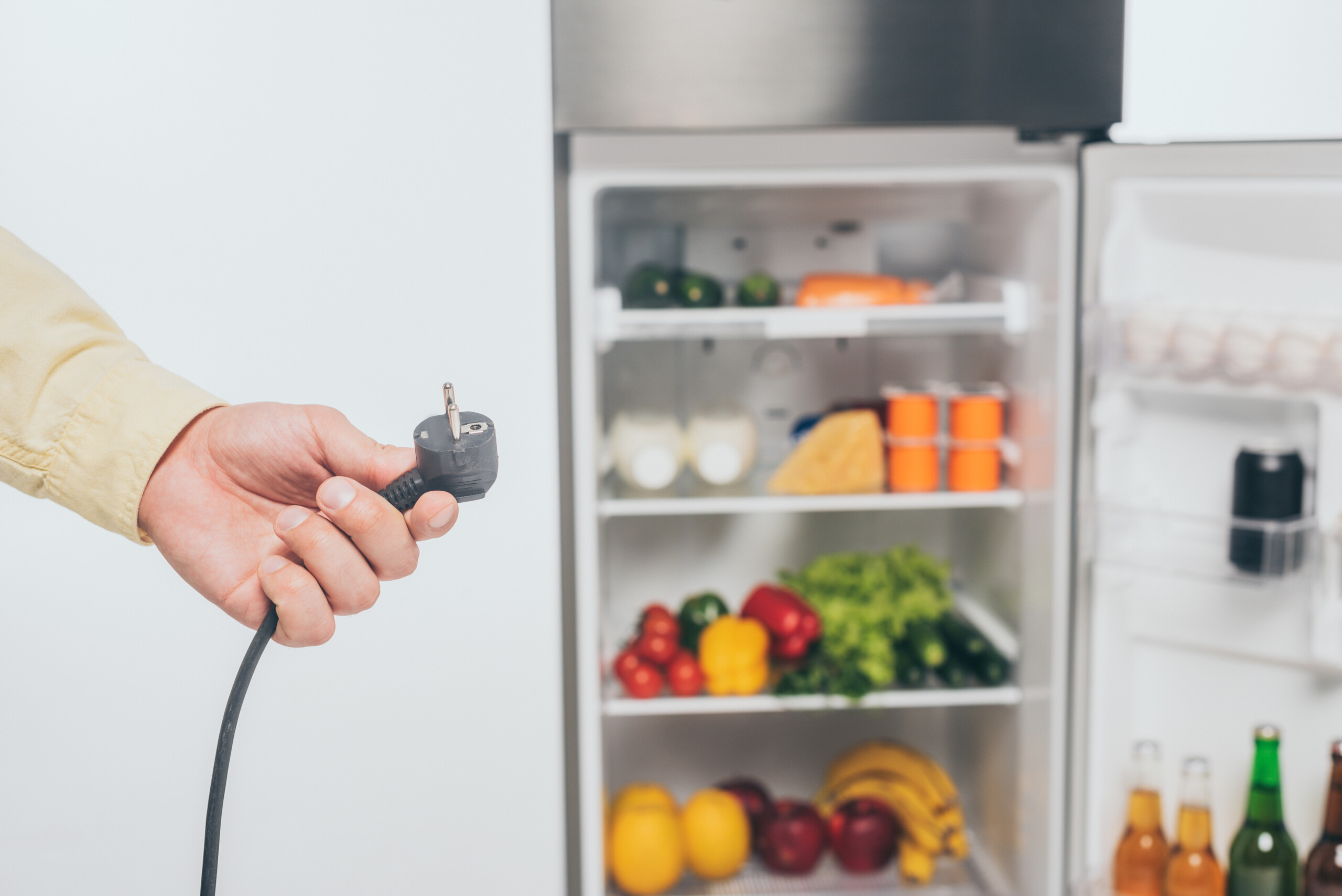
      cropped view of man holding unplugged power cord of fridge isolated on white

      Power disruptions are common during winter storms and can quickly compromise refrigerated and frozen food. USDA recommends several steps to reduce food loss and prevent illness:

      ADVERTISEMENT

      • A refrigerator will keep food safely cold for about four hours if unopened. A full freezer can maintain safe temperatures for up to 48 hours, or 24 hours if half full.
      • Keep refrigerator and freezer doors closed as much as possible.
      • Do not place food outdoors in snow, as temperatures can fluctuate and food may be exposed to animals or contamination.
      • Freeze containers of water or make ice in advance to help maintain cold temperatures.
      • Freeze perishable items such as leftovers, milk, and fresh meat if they will not be used immediately.
      • Group frozen foods together to help them stay cold longer.
      • Keep several days’ worth of shelf-stable, ready-to-eat food on hand.

      For food safety questions, consumers can contact the USDA Meat and Poultry Hotline at 1-888-674-6854 or email MPHotline@usda.gov. Meat and poultry businesses may contact the FSIS Small Plant Help Desk at 1-877-374-7435.

      Protecting pets and livestock

      San Martín de Los Andes/Argentina.

      USDA’s Animal and Plant Health Inspection Service urges livestock owners and pet owners to take precautions ahead of the storm:

      • Provide adequate shelter, dry bedding, and access to unfrozen water.
      • Ensure sufficient feed supplies are available in case transportation is disrupted.
      • Follow guidance from local emergency officials.
      • Producers moving livestock across state lines should contact the receiving state’s veterinarian or local APHIS office in advance.

      Disaster assistance for farmers and ranchers

      Wheat ears are covered with snow

      USDA is reminding producers that several federal programs are available to help recover from storm-related losses.

      Producers with Federal Crop Insurance or Noninsured Crop Disaster Assistance Program coverage should report damage to their crop insurance agent or local Farm Service Agency office within 72 hours of discovery and submit written follow-up documentation within 15 days.

      Additional assistance programs include:

      • Livestock Indemnity Program and Emergency Assistance for Livestock, Honeybees, and Farm-Raised Fish
      • Tree Assistance Program for orchards and vineyards
      • Emergency Conservation Program and Emergency Forest Restoration Program
      • Environmental Quality Incentives Program through USDA’s Natural Resources Conservation Service

      Farmers may also qualify for emergency loans, operating loans, and loan servicing options through FSA to help cover production losses, repair damage, or replace equipment and livestock.

      Where to get help

      USDA encourages producers and residents to contact their local USDA Service Center or visit farmers.gov to access the Disaster Assistance Discovery Tool and other recovery resources.

      The department’s Food and Nutrition Service is also coordinating with the Federal Emergency Management Agency and stands ready to support emergency nutrition assistance requests from states and local governments as conditions evolve.

      Officials stress that preparation ahead of the storm is the most effective way to reduce losses and speed recovery once severe weather passes.

      crisis
      disaster response
      natural disaster
      power outage
      storm
      tips
      Winter

      Enjoyed this story?

      Every Monday, our subscribers get their hands on a digest of the most trending agriculture news. You can join them too!

      Sign me up
      Check the example

      Discussion0 comments

      Спасибо за комментарий, он будет опубликован на сайте после проверки модератором. Хотите, чтобы ваши комментарии появлялись на сайте мгновенно? Достаточно пройти регистрацию.
      Congratulations, you can be the first to start the conversation.
      Do you have a question or suggestion? Please leave your comment to ignite conversation.
      What’s on your mind?
      Cancel Log in and comment
      Or continue without registration
      Get notified about new comments by email.
      Advertisement
      In focus
      How to get here?
      Stock quotes
      Bayer
      11.52
      4.82
      Bayer Crop Science
      40.09
      3.77
      CF Industries
      122.33
      5.59
      Corteva Agriscience
      79.04
      0.21
      ICL Group
      5.33
      0.74
      Intrepid Potash
      41.61
      8.06
      Mosaic
      27.67
      5.6
      Nutrien
      77.79
      6.11
      Yara International
      28.47
      1.83
      See all
      Most read
      Agromin composts 1.25 million tons of organic waste in 2025
      Agromin composts 1.25 million tons of organic waste in 2025
      U.S. Justice Department opens antitrust probe into fertilizer producers amid price concerns
      U.S. Justice Department opens antitrust probe into fertilizer producers amid price concerns
      Middle East conflict threatens fertilizer supply ahead of U.S. planting season
      Middle East conflict threatens fertilizer supply ahead of U.S. planting season
      DeKalb may launch 30 new corn hybrids for 2026 season
      DeKalb may launch 30 new corn hybrids for 2026 season
      FMC secures first dual-mode herbicide classification for rimisoxafen
      FMC secures first dual-mode herbicide classification for rimisoxafen
      Events
      World Agri-Tech Innovation Summit
      San Francisco (CA), USA
      Mar 17 — 18, 2026
      FSHOW
      Shanghai, China
      Mar 17 — 19, 2026
      Argus Fertilizer Asia
      Bali, Indonesia
      Mar 31 — Apr 2, 2026
      CRU Phosphates
      Paris, France
      Apr 13 — 15, 2026
      CFEX
      Antalya, Turkey
      Apr 15 — 17, 2026
      See all
      Live
      Isabelita Barreiro
      December 11, 2025, 01:54 am
      Excellent management of water resources and effective use of water-soluble fertilizers!
      Argentine nano-fertilizer firm AKO Agro expands to Brazil
      Meripa Corson
      August 4, 2025, 01:18 pm
      Where does the money actually go? As a timber land owner, how do I benefit from the legislation?
      USDA commits $80 million to expand timber markets and improve forest resilience
      Patonkas Luksompulus
      January 21, 2025, 12:36 pm
      Greece meeds biological fertilizers! Great news about De sangosse.
      DE SANGOSSE expands operations with Greek subsidiary
      Pedro Diaz
      November 20, 2024, 08:42 pm
      Is it a Roundup lawsuit or more about bad financials? I think the market reacted only to announced financial results.
      Bayer’s shares are pressed down by ongoing Roundup cancer lawsuit
      Johan Fredin
      August 22, 2024, 07:57 pm
      Europe is falling behind in this field. The concerns 30 years ago was reasonable. Now not so much. We need crops that can survive in a more extreme future climate. Handle droughts and hot weather better. Crops that are less tasty to pests like hogs and deere.
      Gene-edited crops set for groundbreaking European trials
      About
      Sections
      Markets  ·  Business  ·  Politics  ·  Technologies  ·  Interviews  ·  Rankings  ·  Environment
      Support
      About  ·  Team  ·  Advertise  ·  Contacts  ·  Submit a Tip  ·  Privacy Policy  ·  Terms of Service
      Copyright © 2014-2026 DigitalTree LLC. All rights reserved.
      We deliver content lightning-fast thanks to the managed cloud WordPress hosting with CDN.
      16+
      More to read
      USDA urges farmers, households and businesses in Eastern U.S. to prepare for intensifying winter storm
      USDA urges farmers, households and businesses in Eastern U.S. to prepare for intensifying winter storm
      USDA allocates $675.9 million in hurricane disaster aid to Florida farmers
      USDA allocates $675.9 million in hurricane disaster aid to Florida farmers
      Hurricane Helene exposes vulnerabilities in agriculture, industry, and environmental safety across southeastern U.S.
      Hurricane Helene exposes vulnerabilities in agriculture, industry, and environmental safety across southeastern U.S.
      Advertising that helps us do quality reporting