

Natural History Museum and Earlham Institute launch biosurveillance startup Agnos Biosciences

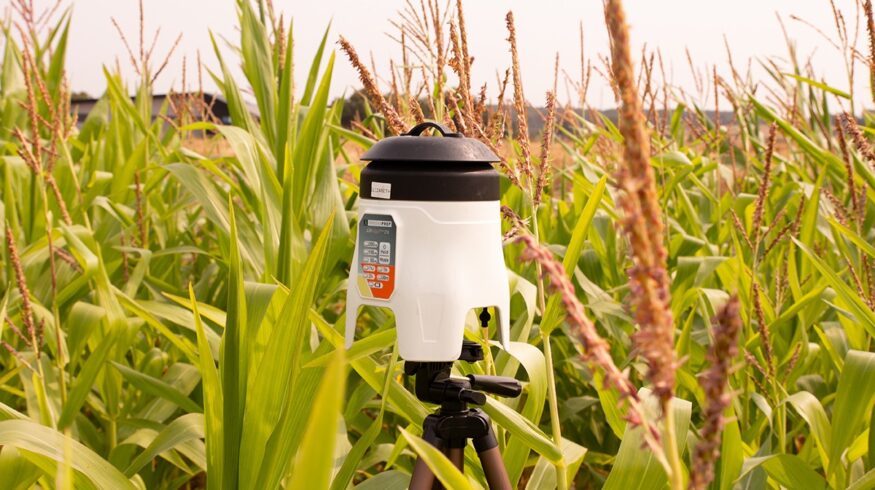
The Natural History Museum and the Earlham Institute have formed a joint spin-out, Agnos Biosciences, to commercialize a DNA-based air monitoring technology aimed at detecting pathogens and other biological threats across agriculture, food production and high-containment industrial settings.
The company’s core platform, called AirSeq, analyzes genetic material collected from air samples using a combination of molecular biology, DNA sequencing and proprietary data analysis. The system is designed to identify a broad range of organisms — including bacteria, viruses and fungi — without being limited to a predefined list of targets, a feature the developers say distinguishes it from many existing diagnostic approaches.
The results can be delivered in under 90 minutes, positioning the system as a potential early-warning tool in environments where rapid detection of contamination or disease risk is critical.
Agnos Biosciences will offer AirSeq as an end-to-end service, covering air sampling, laboratory processing, sequencing and bioinformatics analysis, with results delivered through a web-based platform. Financial terms of the spin-out and its initial funding were not disclosed.
Targeting regulated and high-value environments
Initial commercial markets include crop production, food manufacturing, and pharmaceutical and biotechnology cleanrooms, where airborne biological contamination can lead to economic losses, product recalls or production shutdowns.
In agriculture, airborne monitoring could help detect plant pathogens before visible symptoms emerge in fields, potentially enabling earlier interventions. In food and biopharma facilities, the technology may be used as an additional environmental monitoring layer alongside existing microbial testing regimes.
The platform has also been evaluated in biosecurity contexts through prior research linked to the US Defense Advanced Research Projects Agency, highlighting potential dual-use applications in public health and national security.
From research infrastructure to commercial venture
AirSeq is the result of more than a decade of research at the Earlham Institute, a genomics and data-driven biology center based at Norwich Research Park, and the Natural History Museum, one of the world’s largest natural science research institutions. Development was supported in part by the UK’s Biotechnology and Biological Sciences Research Council as well as other public and philanthropic funding sources in the UK and US.
Both institutions are licensing the underlying intellectual property to Agnos Biosciences, which will operate as an independent company. For the Natural History Museum, the venture represents the first spin-out from its Strategy and Innovation Unit, created to translate scientific research into commercial applications. For the Earlham Institute, it is the organization’s second company launch.
Simon Kim, the company’s chief executive and an entrepreneur in residence at the museum, said Agnos Biosciences is initially focusing on customers in agriculture, food production and research, while longer-term opportunities may include broader biosecurity and advanced manufacturing settings.
Industry interest in environmental biosurveillance has grown since the Covid-19 pandemic, as governments and companies seek earlier detection tools for infectious disease and contamination risks. Most existing systems rely on targeted tests for known organisms. Broad-spectrum approaches such as AirSeq aim to capture a wider picture of biological material in the air, though their cost, data complexity and integration into existing monitoring frameworks may shape adoption.
Agnos Biosciences enters the market as institutions beyond traditional universities — including museums and public research bodies — look for ways to generate commercial returns from scientific assets, particularly in fields linked to health security and food system resilience.


Enjoyed this story?
Every Monday, our subscribers get their hands on a digest of the most trending agriculture news. You can join them too!




Discussion0 comments