
Valentine’s Day gardening tip: Houseplants with heart-shaped appeal


The National Garden Bureau (NGB) is encouraging gardeners and gift-givers to mark Valentine’s Day with what it calls a “living heart”—houseplants with naturally heart-shaped leaves that provide year-round interest rather than a fleeting display.
According to the organization, heart-shaped plants combine symbolism with practicality, making them suitable for desks, kitchen tables, or bedroom nightstands. Diane Blazek, executive director of NGB, said the idea is to shift attention toward gifts that endure. Heart-shaped houseplants, she noted, offer a sustainable way to brighten indoor spaces while requiring relatively little maintenance.
As part of its 2026 recommendations, NGB outlined five popular options that vary in appearance and care needs:
String of Hearts (Ceropegia Woodii)
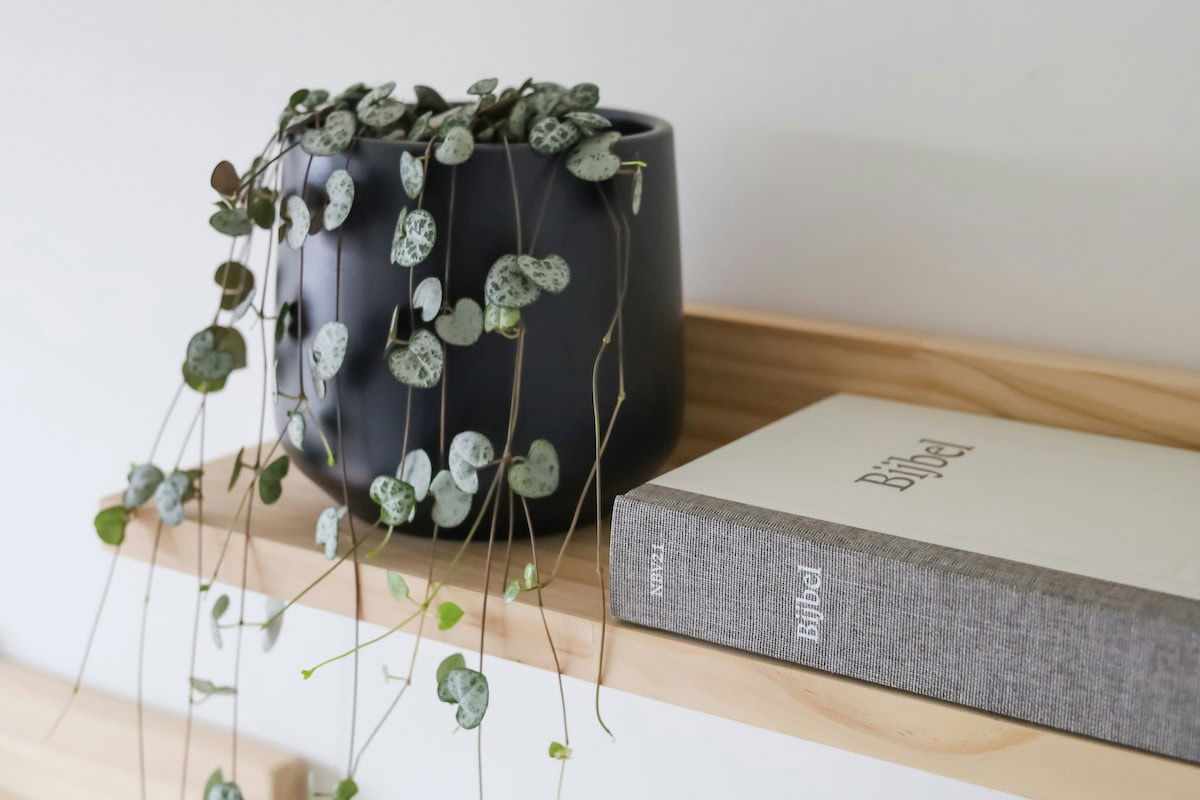
This trailing vine produces small green-and-silver leaves shaped like miniature hearts. It thrives in bright light and performs best near sunny, south-facing windows, where it can develop long, cascading stems.
Sweetheart Hoya (Hoya Kerrii)
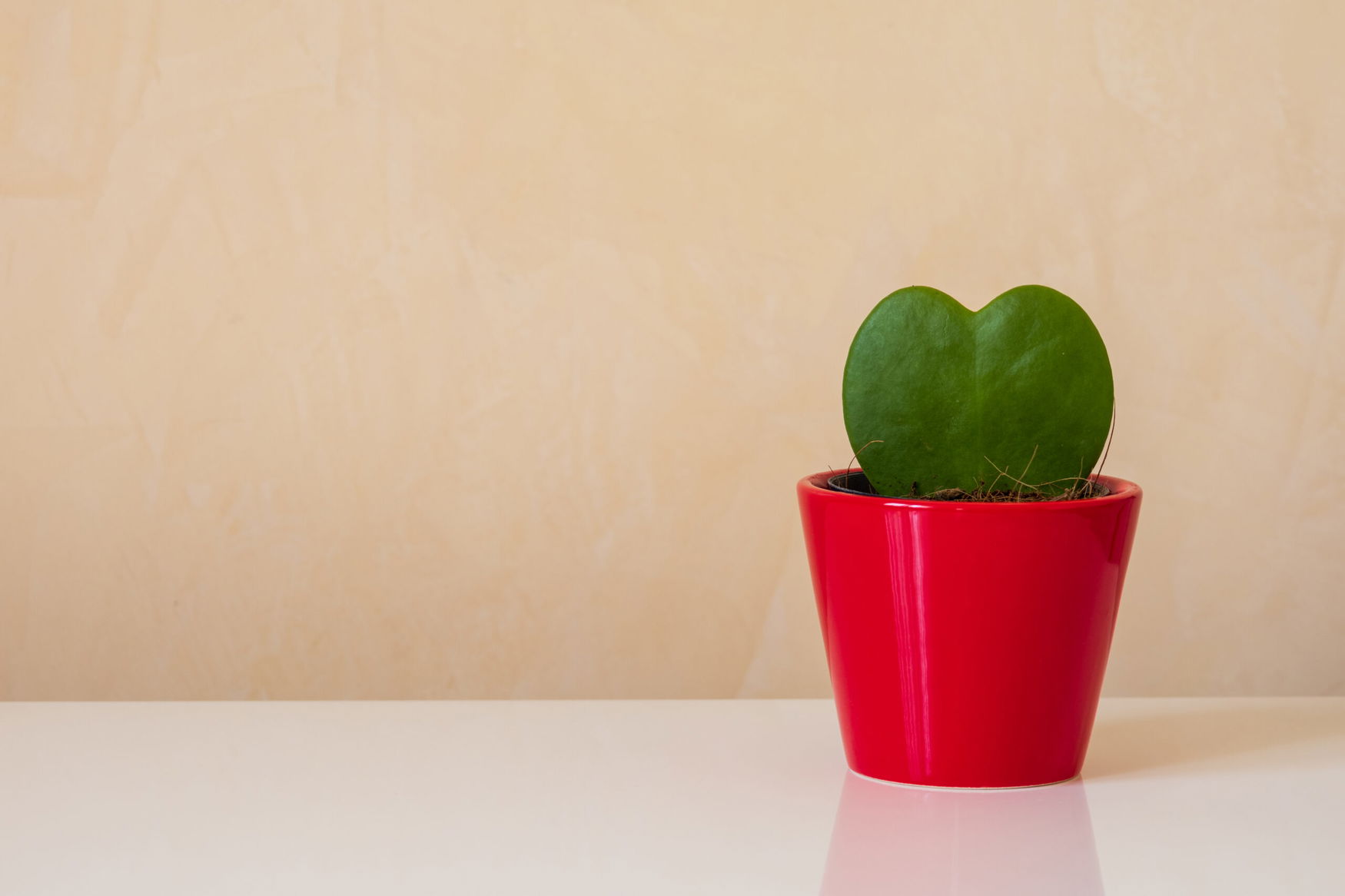
Often sold as a single heart-shaped leaf, this slow-growing succulent can eventually develop into a longer vine. Its thick leaves help it tolerate infrequent watering, making it a low-maintenance option.
Anthurium (Anthurium Andraeanum)
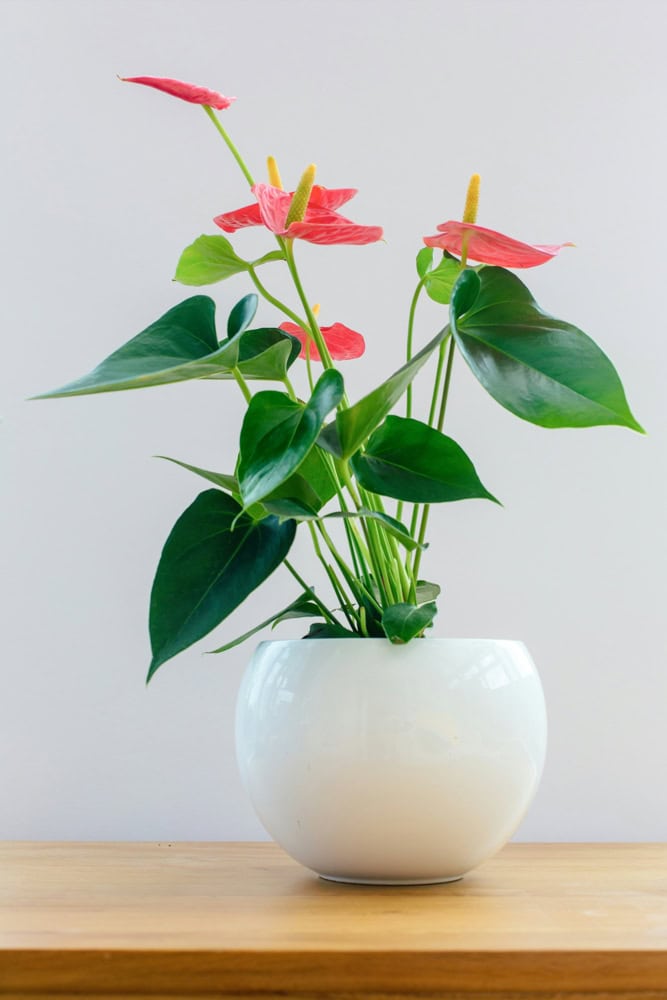
A tropical houseplant known for both heart-shaped foliage and glossy red or pink blooms. With bright, indirect light, anthuriums can flower for much of the year and are commonly used as decorative indoor accents.
Heart Leaf Philodendron (Philodendron Hederaceum)
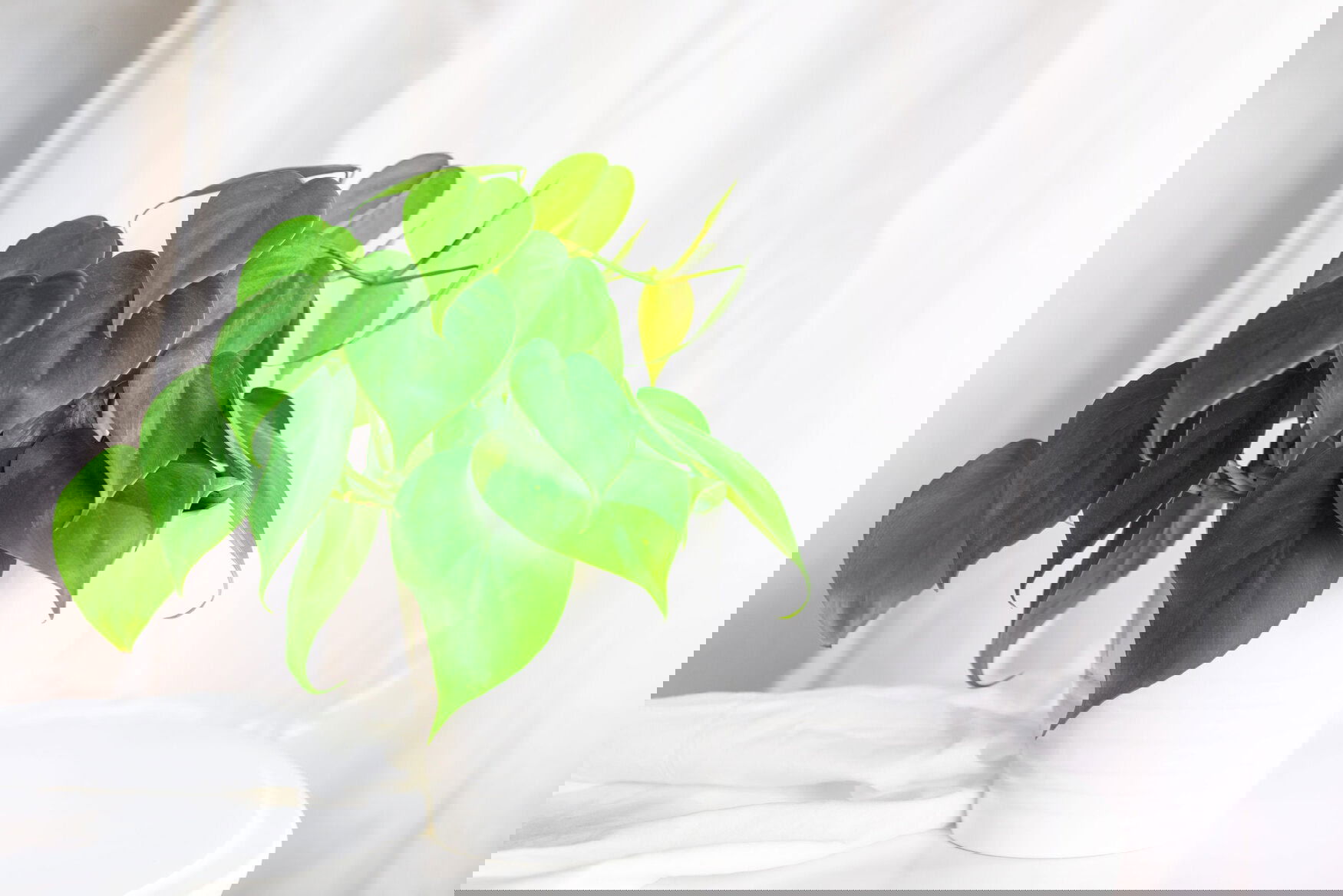
Highly adaptable and easy to grow, this plant tolerates a wide range of indoor conditions. Its trailing green leaves make it a reliable choice for beginners and for spaces with lower light.
String of Pearls (Curio Rowleyanus)
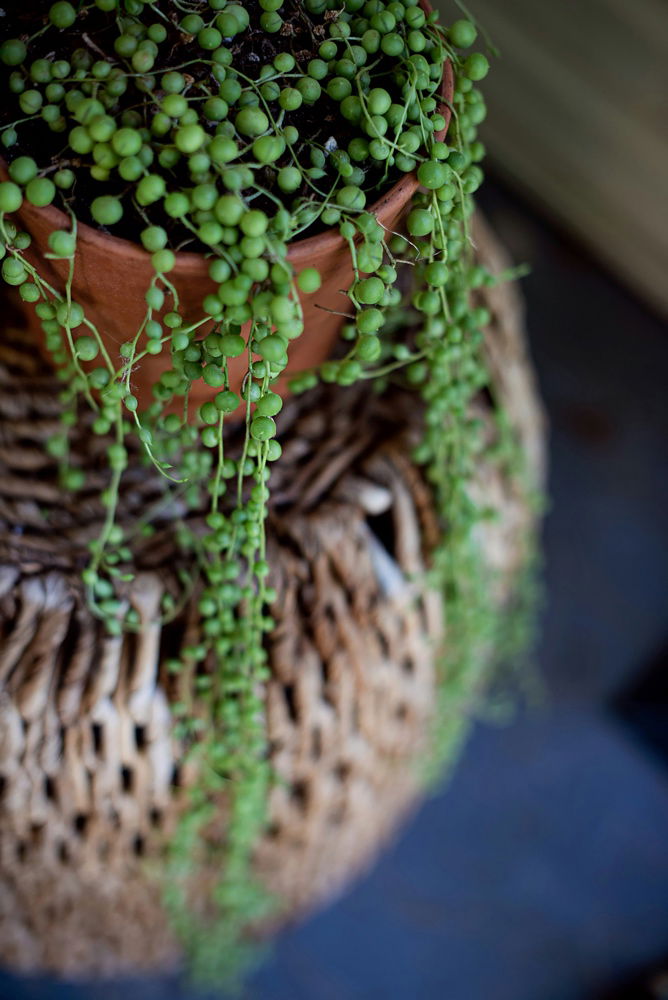
This plant offers a contrasting look, with bead-like leaves that spill over the edges of containers. Under the right conditions, it produces small, cinnamon-scented flowers during the summer months.
For best results, NGB advises matching the plant to the recipient’s living environment. Low-light spaces are better suited to philodendrons and hoyas, while brighter rooms allow sun-loving varieties such as string of hearts to grow more vigorously.
————
About the Author: This article was prepared by National Garden Bureau, a nonprofit organization that serves as the marketing and educational arm of the gardening industry. It works to inspire and inform consumers about gardening by promoting the use of seeds, plants, and related products in homes, gardens, and workplaces. NGB draws on expertise from its member companies and horticultural professionals to provide reliable, industry-backed information.


Discussion0 comments