

EU keeps importing nearly $1 billion of Russian phosphorus despite Ukraine war

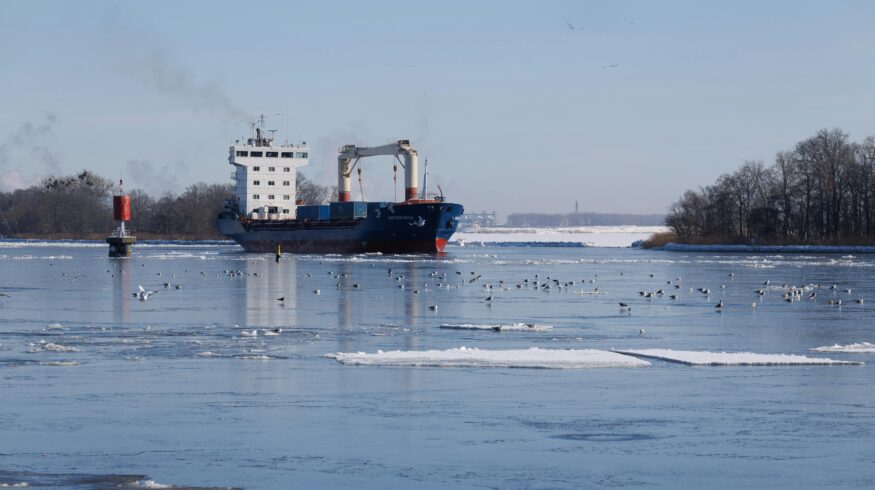
The European Union imported nearly €900 million worth of phosphorus products from Russia in 2025, highlighting the bloc’s continued dependence on a key fertilizer nutrient despite efforts to reduce economic ties following Moscow’s invasion of Ukraine.
Imports of phosphorus fertilizers and related phosphates from Russia totaled about €890 million last year, accounting for roughly 21% of the EU’s total phosphorus imports, according to preliminary data from the European Commission analyzed by Swedish environmental company Ragn-Sells. Russia remains one of the bloc’s largest external suppliers of the nutrient, which is essential for crop production and animal feed.
Phosphorus is one of the three primary nutrients used in mineral fertilizers, alongside nitrogen and potassium, and plays a central role in maintaining agricultural yields. The EU imports the vast majority of its phosphorus, primarily from Russia and Morocco, reflecting limited domestic mining capacity.
The bloc’s only active phosphate mine, located in Finland, supplies less than 10% of European agricultural demand, leaving farmers and fertilizer producers reliant on imports to meet production needs.
The continued purchases come even as European policymakers seek to strengthen food security and reduce strategic dependencies on Russia. Fertilizer trade has been less directly targeted by sanctions than other sectors, partly because of its importance to global food supply chains.
Industry participants and policymakers have increasingly debated whether Europe should expand domestic production or accelerate the use of recycled phosphorus to reduce reliance on imported material.
Subsidiary EasyMining, which develops phosphorus recovery technology, said regulatory barriers still limit the use of recycled phosphorus in certain applications, including animal feed. The European Commission has approved recycled phosphorus for use in organic farming, but some restrictions remain under existing feed regulations.
Sweden and Finland have called on the EU to reassess those rules and have also urged the bloc to consider restricting fertilizer imports from Russia, citing supply security concerns.
The issue highlights broader challenges facing Europe’s fertilizer sector as it navigates geopolitical tensions, limited domestic raw materials, and the need to secure stable nutrient supplies for agricultural production.

Enjoyed this story?
Every Monday, our subscribers get their hands on a digest of the most trending agriculture news. You can join them too!





Discussion0 comments