

Scientists identify gene that could shield bananas from Panama disease

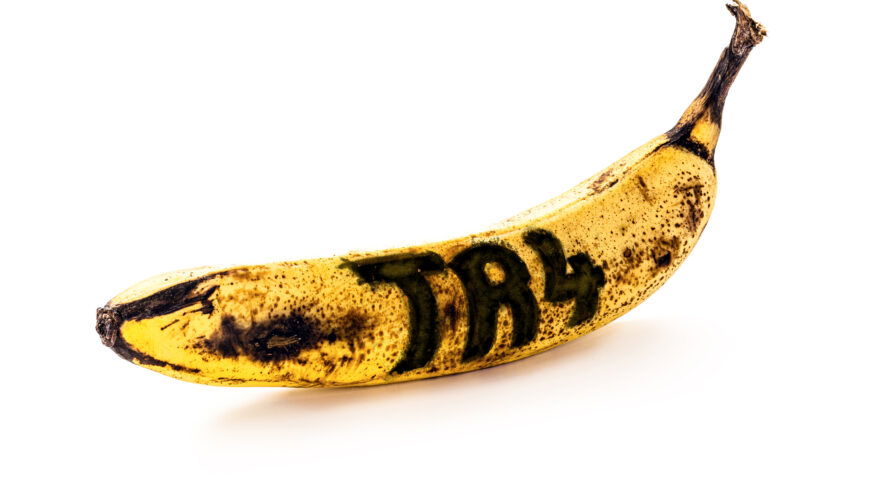
Researchers at The University of Queensland have identified a key genetic region in a wild banana that confers resistance to Fusarium wilt Subtropical Race 4 (STR4), a destructive strain of Panama disease threatening Cavendish production worldwide. The study pinpoints resistance to chromosome 5 in a fertile wild diploid banana known as Calcutta 4, marking what scientists describe as the first detailed genetic dissection of Race 4 resistance from this subspecies.
Fusarium wilt is a soil-borne fungal disease that infects banana plants through their roots, causing them to wilt and die while leaving long-lasting spores in the soil that can contaminate fields for years. STR4 affects subtropical growing regions, while the closely related Tropical Race 4 (TR4) continues to spread in major production areas, including Australia. Because Cavendish bananas dominate global exports and are genetically uniform, the industry faces heightened risk from emerging strains.
Over five years, researchers crossed Calcutta 4 with susceptible diploid bananas, exposed successive generations to STR4, and compared the DNA of resistant and infected plants using genome sequencing and bulked segregant analysis. While Calcutta 4 itself lacks commercial fruit quality, the discovery is expected to accelerate the development of molecular markers that allow breeders to screen seedlings for resistance at an early stage. The findings, published in Horticulture Research, are expected to guide future investment in breeding programs to deliver commercially viable, disease-resistant bananas.

Enjoyed this story?
Every Monday, our subscribers get their hands on a digest of the most trending agriculture news. You can join them too!






Discussion0 comments