

Drought slashes corn and wheat output in central Kenya as food prices climb

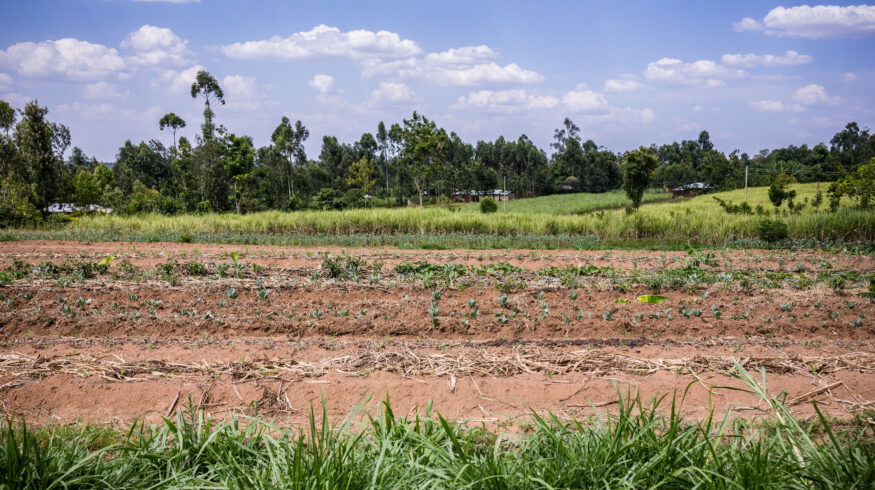
A severe drought in central Kenya has triggered near-total failures in corn and wheat crops, pushing up food prices and prompting the government to seek imports, according to a February field assessment by the Foreign Agricultural Service in Nairobi.
Rainfall during the October–December 2025 short rains season fell to as low as 30% of the long-term average, devastating rain-fed corn fields across the Central and Mt. Kenya regions. A 90-kilogram bag of corn was selling for Ksh 4,000 (USD 31.00), up from Ksh 3,800 (USD 29.50) in November, with further increases expected amid speculative buying. Farmers have been chopping withered crops for silage to salvage some value. The government has announced plans to import one million 90-kg bags (about 90,000 metric tons) of corn from Zambia to ease supply pressures.
In the Timau area near Mount Kenya, which typically accounts for about 10% of Kenya’s domestic wheat output, farmers reported widespread crop failure after wheat reached permanent wilting point before grain filling. Some fields have been opened for livestock grazing or cut for hay. Meanwhile, water shortages have disrupted planting cycles in the Mwea irrigation scheme, which produces up to 80% of Kenya’s rice. Rice prices have edged up to Ksh 170 (USD 1.32) per kilogram from Ksh 160 (USD 1.24) in December as traders anticipate reduced harvests.
The coffee sector presents a contrast. Prices at the Nairobi Coffee Exchange reached a record Ksh 1,025 (USD 7.95) per kilogram of green coffee in September 2025, supported by tight global supplies from Brazil, Colombia, and Vietnam. However, supply constraints in certified seedlings from the Coffee Research Institute and aging cooperative processing facilities pose challenges to expansion, even as favorable March–May rainfall forecasts could support the next production cycle.
Source: U.S. Department of Agriculture Foreign Agricultural Service

Enjoyed this story?
Every Monday, our subscribers get their hands on a digest of the most trending agriculture news. You can join them too!






Discussion0 comments