

Alternaria disease spreads across California almond orchards as growers brace for 2026 pressure

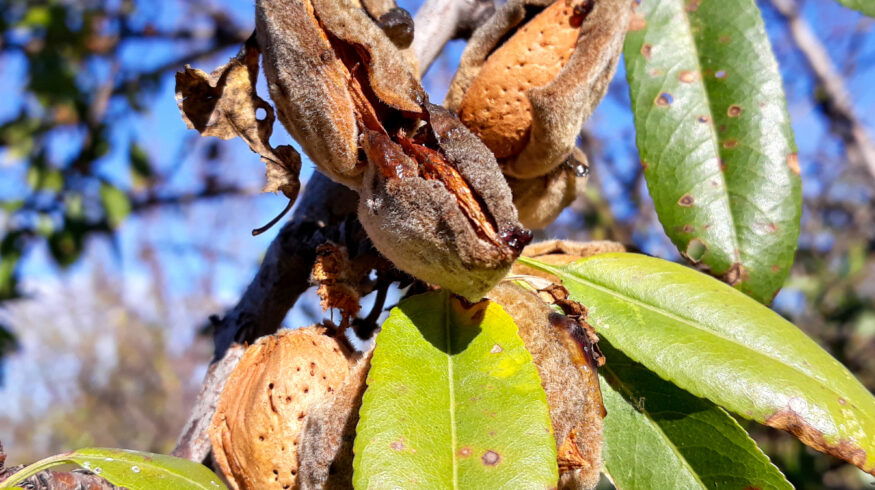
Alternaria, a fungal disease that causes dark leaf spots and reduces nut quality in almonds, has expanded significantly across California’s major almond-growing regions in recent years. Once largely confined to areas with limited spring winds in the southern San Joaquin Valley and parts of the northern Sacramento Valley, the disease has spread widely across both valleys over the past five years.
Agronomists attribute the spread primarily to changing environmental conditions and evolving orchard management practices. Warmer, wetter spring seasons favor fungal growth, while high-density orchard plantings reduce airflow and increase canopy humidity. Irrigation practices such as micro-sprinklers and poorly drained soils can further create humid microclimates that support disease development even without rainfall.
Experts warn that Alternaria pressure could be significant in the 2026 season, particularly if warmer-than-average spring conditions materialize as forecast. Growers are advised to monitor orchards between April and June—when disease development is most likely—and begin preventive fungicide applications in mid-April in orchards with a history of infection. Monitoring disease severity can help guide treatment decisions, while resistance management remains critical; specialists recommend avoiding certain fungicide groups where resistance has been detected.
Source: Growing Produce

Enjoyed this story?
Every Monday, our subscribers get their hands on a digest of the most trending agriculture news. You can join them too!




Discussion0 comments