

Verticillium stem stripe spreads beyond Europe, raising concerns for global canola yields

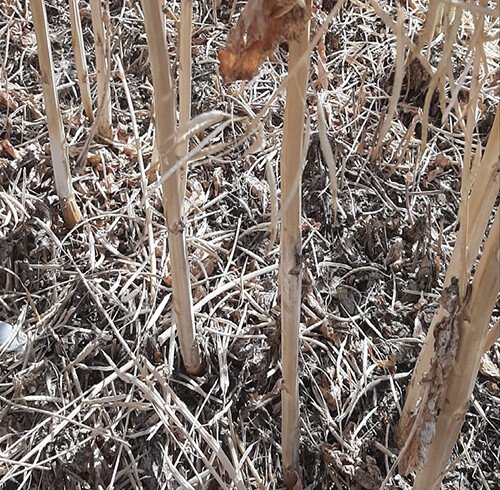

An increasingly prevalent fungal disease, Verticillium stem stripe (VSS), is drawing renewed attention from oilseed rape experts and seed companies across the UK, with concerns about its potential to reduce yields by 30% or more. Though long overshadowed by threats such as phoma and light leaf spot, VSS is now considered a rising risk in many European oilseed rape production zones—and early evidence suggests its reach may be expanding globally.
Michael Shuldham of NPZ UK, a seed developer, says there are no fungicide treatments currently available to control the soil-borne pathogen. “The key to managing VSS risk is crop hygiene, optimized establishment conditions, and wider rotations,” he noted. “In addition, the UK’s Recommended List [for cereals and oilseeds] table shows there are significant differences in the level of VSS resistance between varieties.”
The infection process begins with microsclerotia—compact fungal survival structures—in the soil, which infect young seedlings across a wide range of temperatures. During stem extension, the fungus colonizes vascular tissue, leading to yellow and eventually brown vertical stripes on stems from late June into July. In advanced cases, stems shred and release further microsclerotia, perpetuating the disease cycle.
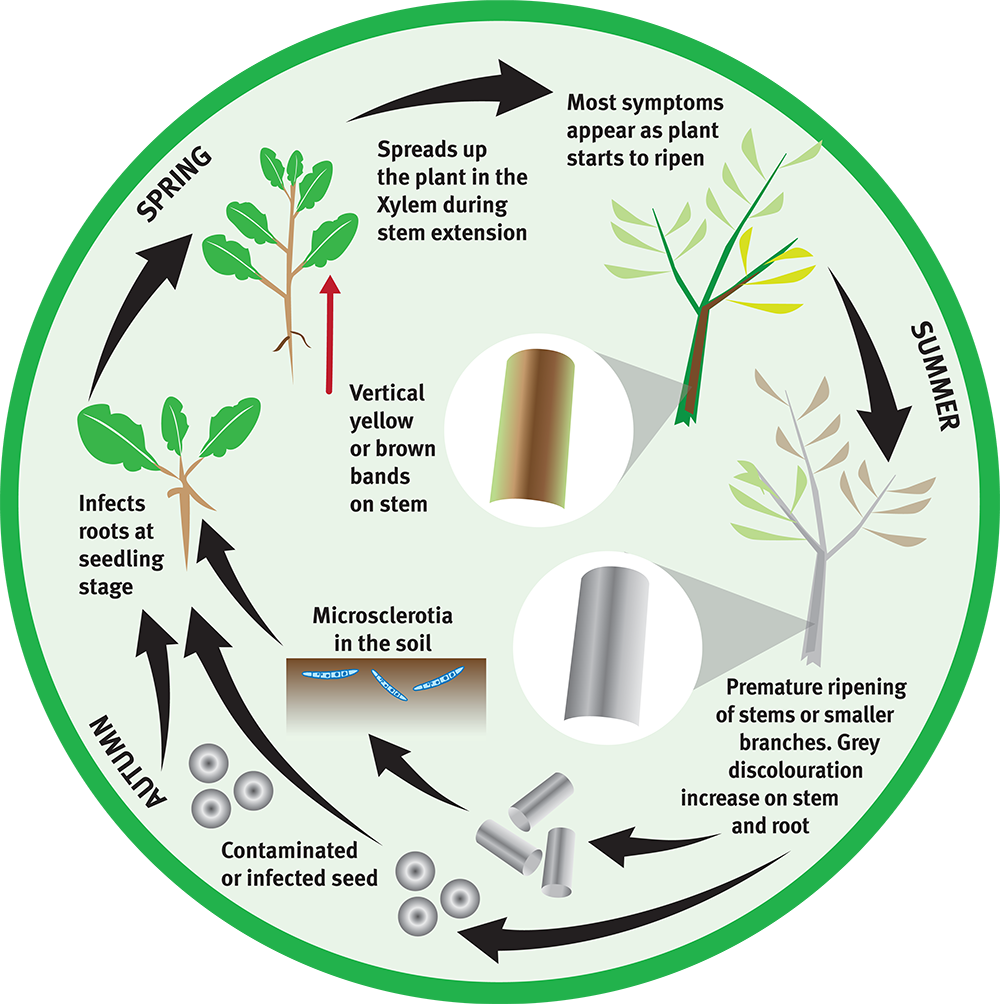
Premature ripening, canopy collapse, and seed shedding are common in severely affected crops. According to Shuldham, susceptible varieties in UK trial plots showed symptoms unusually early this year—before the Cereals Event in June—with some ripening up to two weeks ahead of schedule, lowering thousand grain weight (TGW) and yield.
While VSS is most prominent in the UK and parts of Western Europe, its biology raises concern for other temperate oilseed-producing regions. In Canada, the disease was first confirmed in 2014 in Manitoba and has since spread widely across the Prairie provinces. Recent surveys report field-level prevalence as high as 29% in some areas, and researchers at the University of Manitoba and University of Alberta are now assessing yield losses, varietal susceptibility, and interactions with other pathogens.
The lack of chemical controls and the subtlety of early symptoms—often mistaken for drought stress or natural senescence—make VSS difficult to manage once established. With rising incidence in UK trials and expanding detection in North America, the disease may soon take a more central role in oilseed rape breeding programs, rotation planning, and disease surveillance globally.

Enjoyed this story?
Every Monday, our subscribers get their hands on a digest of the most trending agriculture news. You can join them too!





Discussion0 comments